Wine Tasting Party Ideas at Home: Themes, Wines, Games
Friends, glasses, and a table full of bottles, that’s a great night in. Ready to turn your living room into a fun tasting party without the fuss?
Hosting at home is simple and affordable. You don’t need fancy gear or a sommelier, just a plan, a few wines, and good company.
This guide shares smart wine tasting party ideas, from planning tips to easy wine picks, food pairings, and quick activities. It’s perfect for beginners who want a relaxed, memorable night. Let’s make your tasting feel polished, friendly, and budget wise.
Planning Your Wine Tasting Party Step by Step
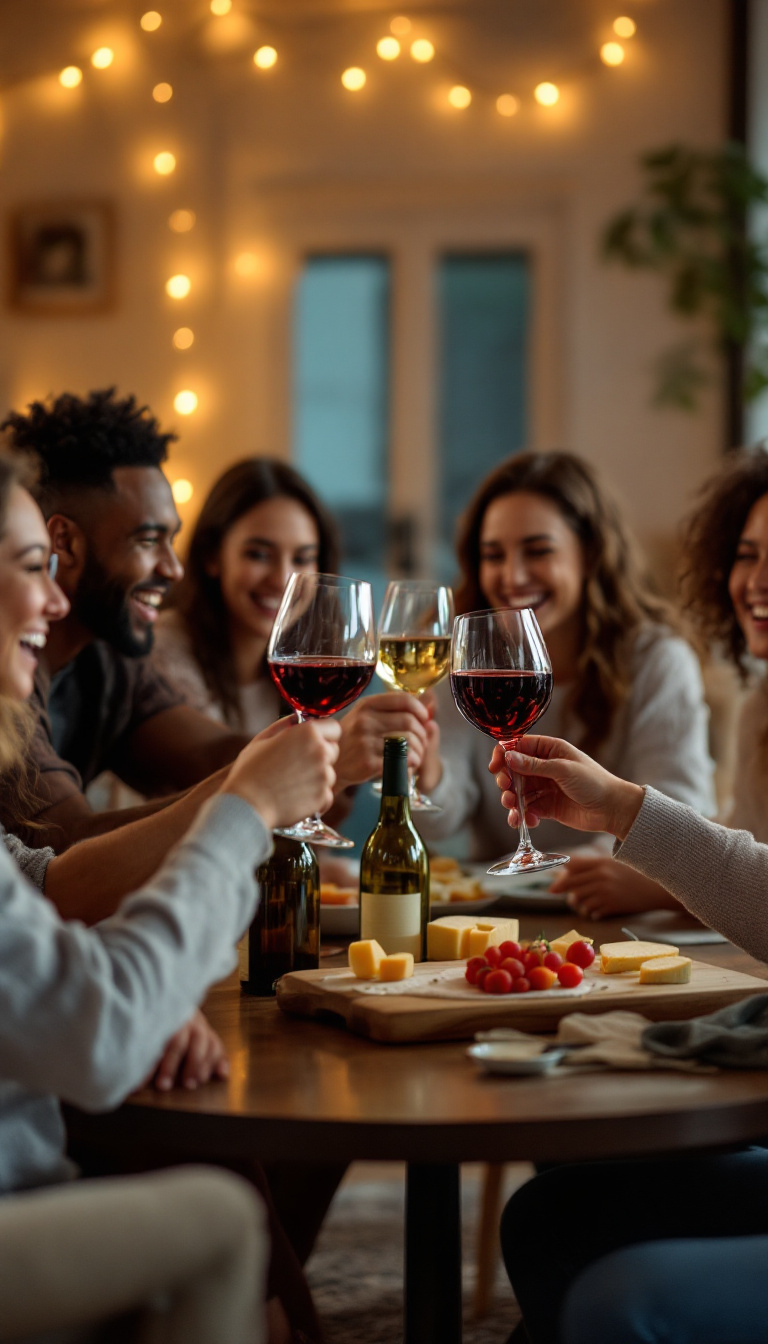
Lock in a date, pick a theme, invite your crew, then set the mood. Aim for 6 to 10 guests so conversation flows and pours stay small. Send a quick email invite with a wine-themed template, include the date, theme, wine budget per person, and any food notes. Shop smart by watching store sales, using wine apps for deals, and choosing mix-and-match cases for savings.
Create a relaxed vibe. Dim the lights a bit, put on soft music, and keep the setup simple. Your goal is easygoing, social, and fun.
Choosing a Theme to Make It Unique
A theme ties your whole night together. It guides the wine list, decor, playlist, and even the snacks. Pick a direction and everything else gets easier.
Here are strong themes that work at home:
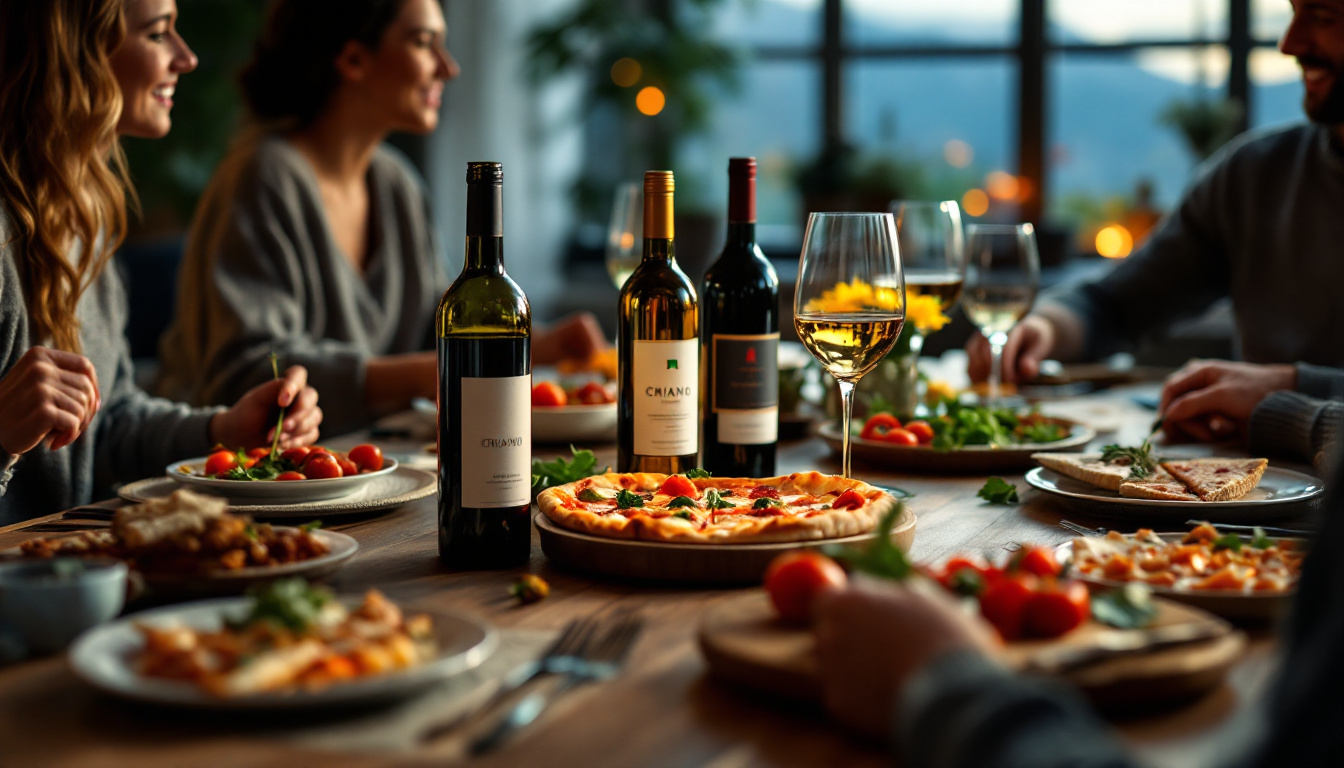
- Italian Night: Focus on Chianti, Barbera, Prosecco, and Pinot Grigio. Pros: great value, lots of food-friendly options like pizza and antipasti, easy to find at any store.
- French Classics: Try Bordeaux, Burgundy-style Pinot Noir, Provence rosé, and Loire Sauvignon Blanc. Pros: wide selection at many price points, simple decor cues like bistro candles and baguettes.
- Sparkling Flight: Pour Prosecco, Cava, Crémant, and one Champagne if budget allows. Pros: festive feel, cleanses the palate, pairs well with salty snacks. You can keep costs low with non-Champagne bottles.
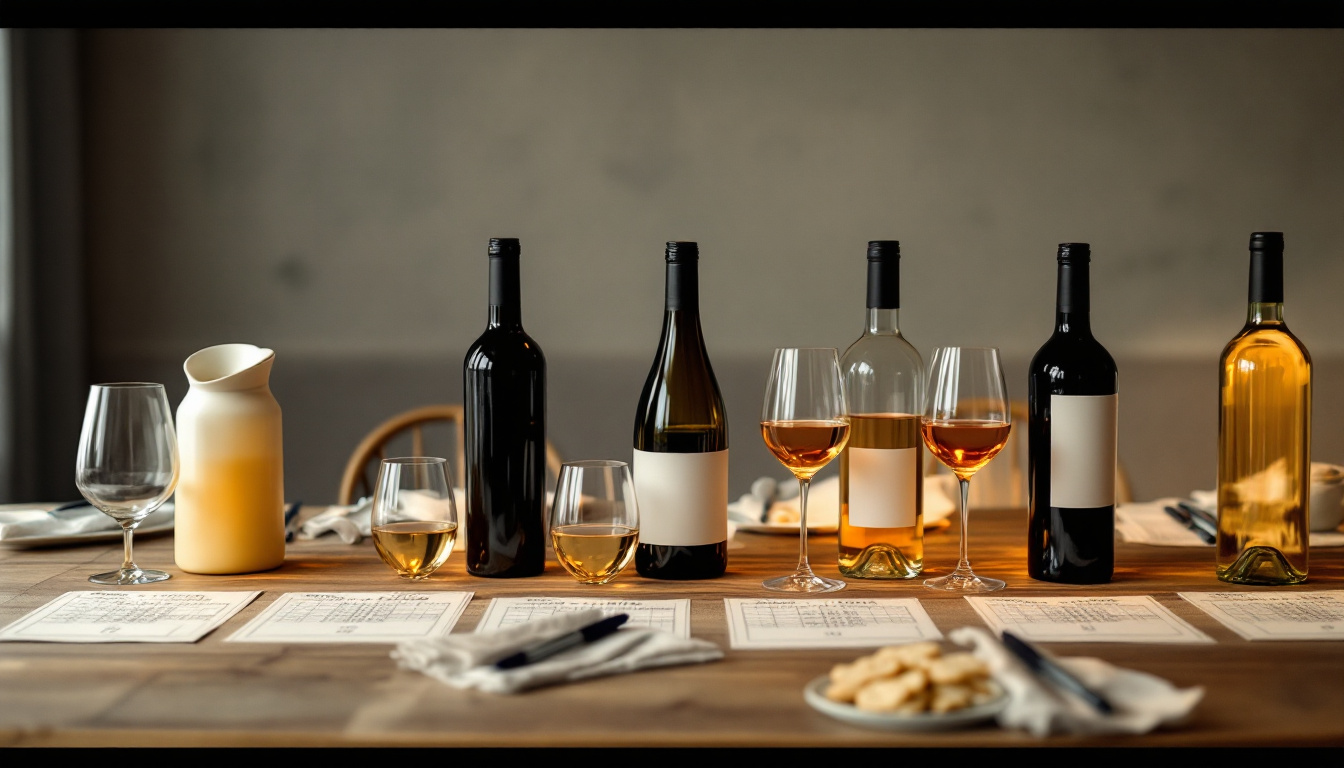
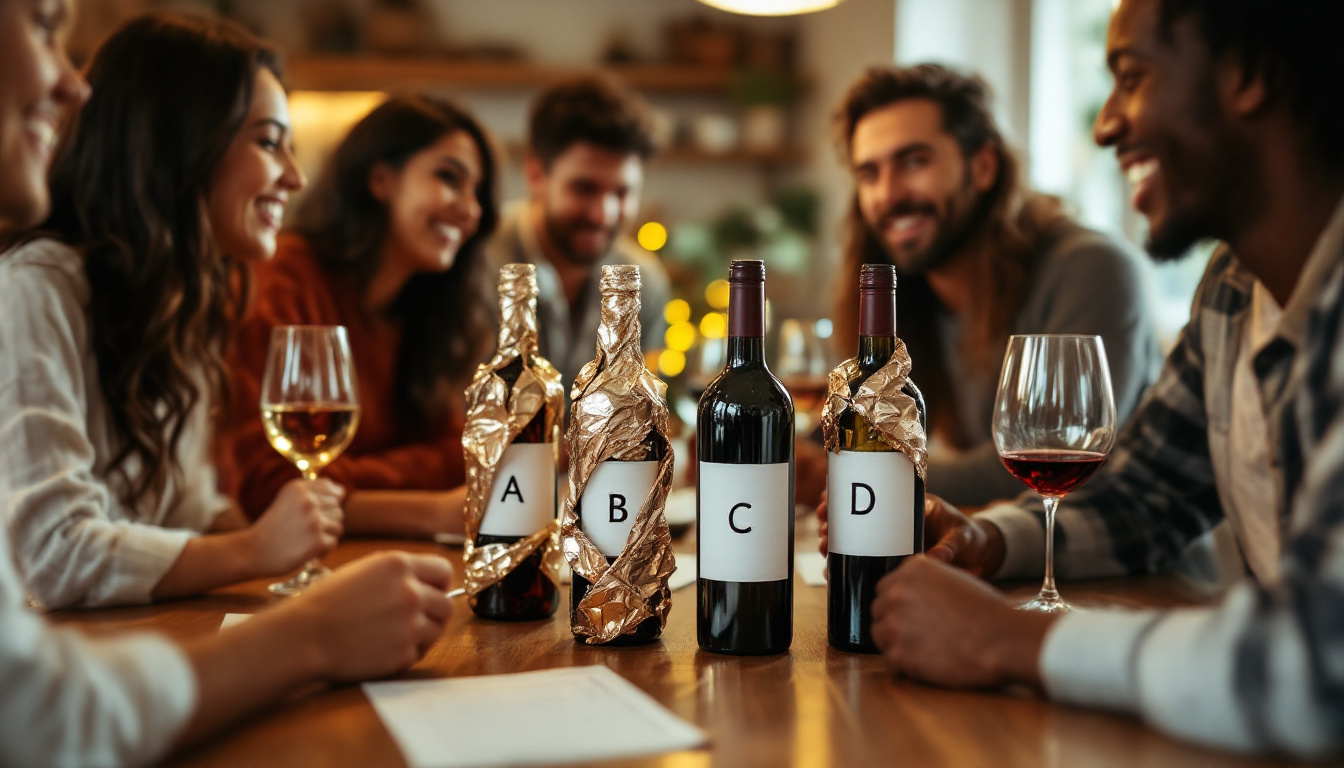
- Blind Tasting: Wrap bottles in foil, label A to D, and compare styles like Sauvignon Blanc vs. Chardonnay or Pinot Noir vs. Merlot. Pros: removes label bias, sparks conversation, fun for mixed skill levels.
Keep it tight with 4 to 6 bottles total, one theme, and small 2-ounce pours. Match decor to the theme with simple touches, like a map print, flag colors, or rustic baskets.
Setting Up the Perfect Space
You do not need fancy gear. A clean table and a smart layout will carry the night.
Set the table with tasting in mind:
- Glassware: One glass per person is fine, or two if you want white and red. Choose reusable glasses to cut waste.
- Spit cups: Place a shared spittoon or individual cups so guests can taste without overdrinking.
- Water and plain crackers: For rinsing and palate resets.
- Scorecards and pens: Keep it simple with wine name, aroma notes, taste, and a rating out of 10.
- Bottle order: Light to full, dry to sweet, young to aged. Whites before reds, still before sparkling if not doing a sparkling flight.
Layout and comfort matter:
- Seating: Arrange chairs in a circle or around one table so everyone can see each other.
- Lighting: Soft and warm, not too bright. Add candles for glow, but avoid strong scents.
- Playlist: Low-volume jazz or classical works well. Think mellow, not sleepy.
- Flow: Place wines on one side of the table, snacks on the other, and water within reach.
Budget and hosting tips:
- Buy on sale, split costs, or ask each guest to bring a bottle within the theme and a price cap.
- Pre-chill whites and sparkling, and open bold reds 30 minutes early.
- Set a friendly tone: invite questions, keep pours small, and encourage mingling between rounds.
A thoughtful setup turns your living room into a tasting room. Keep it inviting, tidy, and calm, and your guests will settle right in.
Selecting Wines That Wow Your Guests
Build a small, varied lineup so everyone finds a favorite. Pick 4 to 6 bottles, mix whites, reds, and one rosé. Stay under $20 per bottle, and shop smart at grocery stores, warehouse clubs, or a local wine shop. Pour in order, light to full, dry to sweet, and finish with the boldest red. Add a quick story about each bottle, the grape, region, or a fun fact on the label, so guests connect with what they taste.
Beginner-Friendly Wine Varieties
These easy-to-like wines keep things friendly and flexible. They pair with simple snacks and please mixed crowds.
- Pinot Grigio: Light and crisp, think green apple and lemon. Great with salads, chips, and light cheeses. Buy from Italy or Oregon at most supermarkets.
- Sauvignon Blanc: Zesty and bright, lime and passionfruit. Popular from New Zealand or the Loire Valley. Widely stocked, solid value under $15 to $20.
- Off-Dry Riesling: Fresh and lightly sweet, peach and apricot. Balances spicy snacks. Look for Germany, Washington, or Finger Lakes.
- Provence-style Rosé: Dry and refreshing, strawberry and melon. Matches everything from hummus to charcuterie. Easy to find spring through fall.
- Pinot Noir: Light red with soft tannin, cherry and cranberry. Crowd-pleaser with pizza and mushrooms. Choose California or Oregon.
- Merlot: Smooth and plush, plum and cocoa. A gentle red for red-wine beginners. California and Bordeaux offer many bottles under $20.
- Cava or Prosecco: Bubbly, crisp apple and pear. Lifts the mood and cleanses the palate. Spain for Cava, Italy for Prosecco.
If you want a ready plan, pick one from each row in this quick guide:
| Spot in Lineup | Style | Affordable Regions | What It Tastes Like |
|---|---|---|---|
| 1 | Pinot Grigio | Italy, Oregon | Crisp apple, lemon |
| 2 | Sauvignon Blanc | New Zealand, Loire | Lime, grassy, passionfruit |
| 3 | Rosé | Provence, Spain | Strawberry, melon |
| 4 | Pinot Noir | California, Oregon | Cherry, soft spice |
| 5 | Merlot | California, Bordeaux | Plum, cocoa |
| 6 (optional) | Cava or Prosecco | Spain, Italy | Pear, lively bubbles |
Where to buy and why it works:
- Grocery stores and big-box chains: Deep selection, weekly sales, easy price compares.
- Warehouse clubs: Strong value on known regions, good for buying multiples.
- Local wine shops: Tailored picks, staff can match your theme and budget.
Why these are great for parties:
- Easy flavors guests can name without pressure.
- Food flexible so your snacks work across the flight.
- Consistent quality at the $12 to $20 range.
Share a quick story as you pour:
- Grape origin or a fun label detail.
- Region snapshot, like coastal breezes or mountain vines.
- A simple food match, like Pinot Noir with mushrooms.
How to Present and Taste Wines Properly
Keep the flow simple and the vibes relaxed. Use small pours, about 2 ounces, so palates stay fresh and the group stays engaged.
Follow these steps for each wine:
- Pour: Serve lightest wine first, about two fingers in the glass.
- Look: Hold to the light. Note color and clarity.
- Swirl: Gentle circle to release aroma.
- Smell: Take two short sniffs. Name the first thing you notice.
- Sip: Small sip, move it across your tongue. Think fruit, acidity, body, finish.
- Pause and note: Share a quick thought or jot a score, then sip water.
Use this simple tasting sheet template:
- Wine name and region:
- Grape:
- Aroma notes:
- Taste notes:
- Body: light, medium, full
- Sweetness: dry, off-dry, sweet
- Finish: short, medium, long
- Food idea:
- Score out of 10:
Tips to keep it smooth:
- Small pours and water between wines.
- Neutral snacks like plain crackers and mild cheese.
- Scent-free room, avoid candles with strong fragrance.
- Spit cups for anyone who wants to taste more and drink less.
- Order: whites before reds, light to heavy, dry to sweet, still before sparkling if you are not doing a sparkling flight.
Add quick talking points with each bottle:
- Label clues: grape, vintage year, region map.
- Backstory: family winery, coastal or mountain fruit, signature style.
- Hook: a fun pairing or a flavor cue to look for, like cherry in Pinot or lime in Sauvignon Blanc.
Keep it paced, conversational, and a little nerdy without being fussy. That balance makes guests feel confident and curious.
Pairing Foods and Fun Activities for an Unforgettable Evening
Good wine needs simple, tasty snacks and a little play. Build a spread that lets flavors shine, not fight. Then add a few light games to keep the room buzzing and curious.
Easy Food Pairings That Enhance Flavors
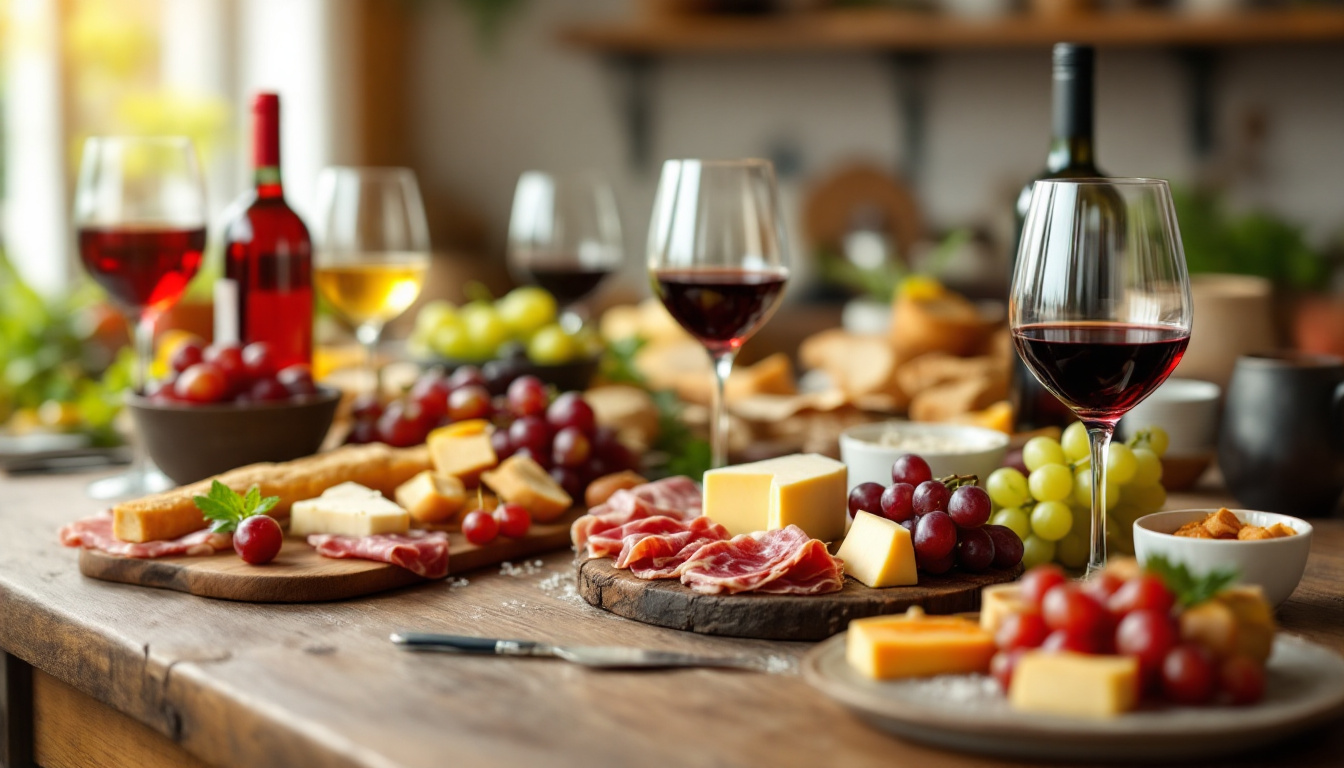
Keep pairings simple and friendly. Use store items, prep fast, and match weights. Creamy cheese with fuller whites, salty meats with firm reds.
Here are quick wins that rarely miss:
| Wine | Food Match | Why It Works |
|---|---|---|
| Chardonnay | Brie | Fatty, creamy cheese softens oak and highlights apple notes. |
| Sauvignon Blanc | Goat cheese | Tangy cheese mirrors the wine’s citrus and zest. |
| Riesling (off-dry) | Spicy nuts | A touch of sweetness cools spice and heat. |
| Pinot Noir | Mushrooms or truffle chips | Earthy flavors echo the wine’s savory side. |
| Cabernet Sauvignon | Salami | Salt and fat tame tannins, fruit pops more. |
| Prosecco or Cava | Potato chips | Bubbles cut salt and oil, refreshes the palate. |
Build an easy board with store-bought items:
- Base: plain crackers, sliced baguette, breadsticks.
- Cheese trio: brie, goat cheese, aged cheddar. Cover creamy, tangy, sharp.
- Charcuterie: salami, prosciutto, mild chorizo. Slice thin for small bites.
- Fresh bites: grapes, apple slices, berries. Fruit brightens each pour.
- Salt and crunch: mixed nuts, olives, cornichons. Keep portions small.
- Spreads: fig jam, honey, whole-grain mustard. Offer one sweet, one savory.
Assembly tips for speed and balance:
- Start with bowls for nuts and olives, then fan crackers around them.
- Place cheeses apart so flavors do not mix. Add a knife per cheese.
- Layer meats in loose folds. Keep a separate area for spicy chorizo.
- Tuck fruit near the wines you plan to pair, like apples by Chardonnay.
- Add small labels if you have time, or use toothpicks with flags.
Smart budget swaps:
- Buy pre-sliced meats and a wedge of each cheese, not specialty packs.
- Choose seasonal fruit and store-brand crackers.
- Add one hero item only, like a truffle salami or artisanal cheddar.
Avoid flavor clashes that overwhelm your wines:
- Skip heavy garlic dips before delicate whites.
- Go light on chili, raw onion, and vinegar pickles.
- Keep blue cheese for the end, or pour a sweet wine beside it.
- Avoid oily smoked fish with light whites, it can taste metallic.
Quick mini-pairing plates for passing:
- Chardonnay + brie on baguette, drizzle of honey.
- Cabernet + salami, a bite of aged cheddar.
- Prosecco + potato chip, add a dot of goat cheese.
- Riesling + spicy nut mix, finish with a grape.
Interactive Games to Keep Guests Engaged
A few easy games spark laughs and nudge everyone to taste with purpose. You only need simple supplies and a timer on your phone.
- Wine and Cheese Match
- Materials: 4 wines, 4 cheeses, number cards, pens, scorecards.
- Rules: Place numbered wines and lettered cheeses. Guests taste and match each wine to its best cheese. Reveal answers and tally points.
- Why it works: Guests test pairings and feel the “click” when it is right. It trains the palate without pressure.
- Guess the Region
- Materials: 3 to 4 wrapped bottles, clue cards with region options, map printout.
- Rules: Pour small tastes of each hidden bottle. Give two short clues per wine, like “cool climate” or “citrus and herb.” Guests pick the region from three choices.
- Why it works: Light geography, big fun. People connect flavors to place and share guesses out loud.
- Create Your Own Label
- Materials: Blank stickers or index cards, markers, a few funny prompts.
- Rules: Each guest designs a label for one poured wine. Include a name, two tasting notes, and a food match. Do a quick show-and-tell, then vote.
- Why it works: Breaks the ice fast. People learn to describe wine in their own words.
- Price Reveal: Higher or Lower
- Materials: 4 bottles at different prices, tasting sheets.
- Rules: Taste each wine, then guess if it is higher or lower than a set price, like $15. Reveal and keep score.
- Why it works: Cuts bias and builds buying savvy. Guests see that value often beats cost.
Tips to keep games smooth:
- Keep rounds to 10 minutes so energy stays high.
- Mix teams often so people chat with new faces.
- Give tiny prizes, like a chocolate bar or a corkscrew.
These games keep the room light and curious. They turn tasting into a shared story, and everyone leaves knowing a bit more about what they like.
Essential Hosting Tips for a Smooth Wine Tasting
Set the tone early. Keep the plan clear, the pours small, and the mood friendly. Aim for 2 to 3 hours, which feels full without dragging. Welcome people with water and a snack, then ease into the first pour.
Think flow, not fuss. Start on time, group wines into two short flights, and add one quick game in the middle. Keep music low, scents neutral, and the table tidy so the wine stays the focus.
- Suggested timeline: 15 minutes welcome, 40 minutes Flight 1, 10 minute snack break, 40 minutes Flight 2, 15 minute game or vote, 10 minute wrap-up.
- Pacing tip: 2 ounce pours, water after each wine, notes kept simple.
Creating an Inclusive and Welcoming Vibe
Make every guest feel comfortable, from newbies to wine nerds. Say it out loud at the start: there is no right answer, only what you like. Encourage plain language. “Smells like pear” beats a lecture on terroir.
- Use kind prompts: What fruit do you notice first? Is it light or fuller?
- No judgment language: Ban phrases like “you should taste.” Try “I’m getting cherry here.”
- Water and palate cleansers: Place pitchers and cups within reach, plus plain crackers, baguette slices, and mild cheese. Add apple slices for a reset between reds.
- Dietary notes on food: Label items with simple tags like GF, V, DF, and N for nuts. Offer at least one option in each lane, like dairy-free cheese, gluten-free crackers, and a vegan dip.
- Non-alcoholic options: Pour something festive, not an afterthought. Try sparkling water with citrus wheels, a zero-proof spritz with grapefruit soda and rosemary, chilled hibiscus tea, or dealcoholized sparkling wine. Use matching glassware so everyone joins the toast.
- Scent-free zone: Skip strong candles and avoid perfume. Smell matters.
- Seating that invites chat: Circle or U-shaped seating helps shy guests speak up.
Build small wins so people feel smart. Share one fact per bottle, a quick pairing tip, and a flavor to look for. Invite questions and move on before it gets heavy.
- Safety first: Encourage spitting without stigma, set out spit cups, and remind guests to sip water. Share ride options or plan a rideshare code. Stop pouring near the end, then switch to snacks, water, and non-alcoholic drinks.
Strong hosts plan the finish too. Keep cleanup light and fast so you end on a high note.
- Cleanup hacks:
- Line a small bin for corks, caps, and foil.
- Set one “dirty glass” tray so dishes stay contained.
- Keep a damp cloth handy for drips. Use club soda and salt on red wine spills.
- Re-cork leftovers, label, and chill. Use vacuums if you have them. Most whites keep 3 days, reds 2 to 3.
- Rinse spit cups last to avoid mess mid-party.
Wrap with a short recap and a smile. Ask guests for their top bottle and best pairing. Snap a group shot by the table, then follow up the next day.
- After the party:
- Share a photo album or a simple list of the wines with quick notes.
- Send a one-page tasting sheet template for next time.
- Invite votes for the next theme, like Rosé Summer or Cozy Reds.
- Rotate hosts, playlists, and snack duties for a fresh feel.
Personal touches make repeat events thrive. Use a theme playlist, a map print for pins, or a custom scorecard with your party name. Keep it warm, flexible, and inclusive, and your tasting will run smooth every time.
Conclusion
From invites to pour order, you have a simple plan that covers planning, wines, food, and quick games. With these easy wine tasting party ideas, your living room will feel polished, friendly, and budget wise. Set a date, pick one theme, and pour 4 to 6 bottles, the rest will flow.
Share your favorite party tips in the comments, or try a Blind Tasting or Sparkling Flight this weekend. Thanks for reading, and cheers to great nights at home.