Wine Tasting Party Ideas for Beginners (Fall 2025 Guide)
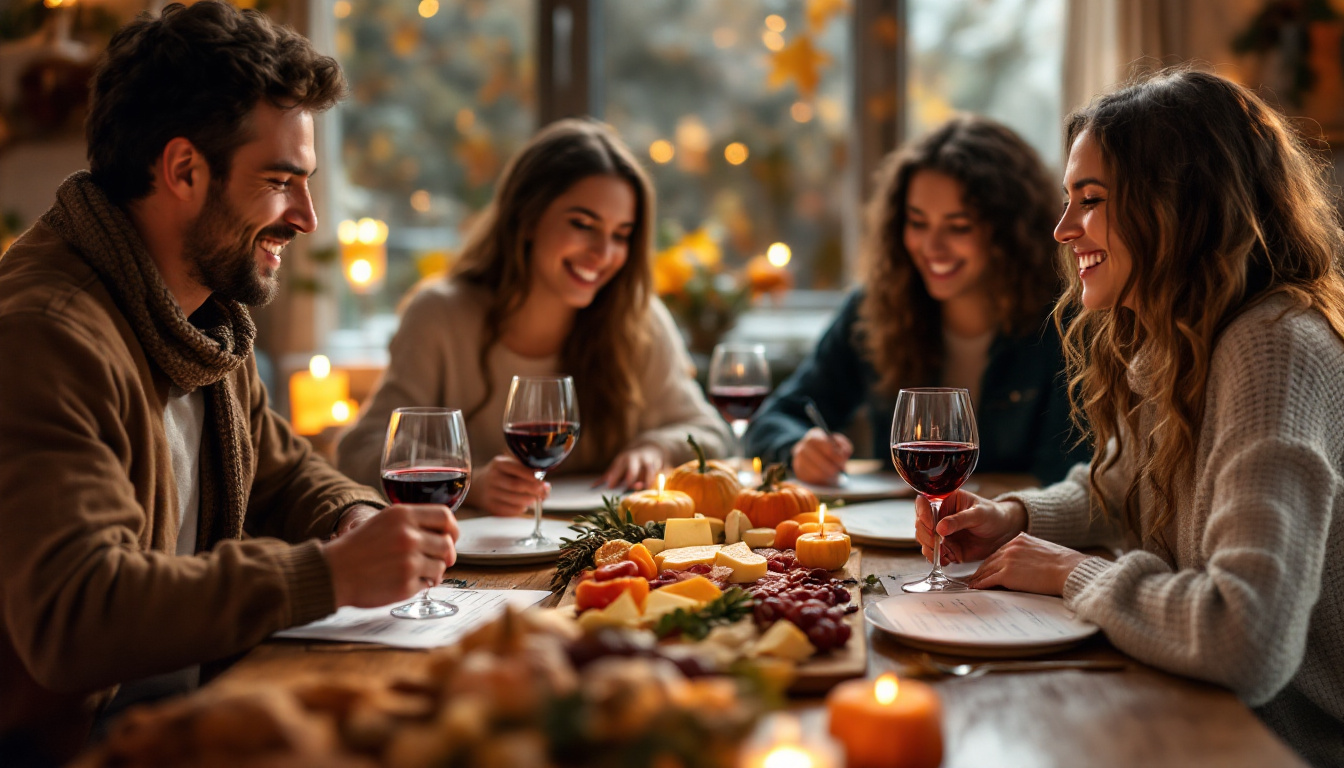
Sharing a good bottle with friends feels special, and it gets even better when everyone discovers new favorites together. A wine tasting party turns that joy into a simple, social way to learn, laugh, and connect. You don’t need to be an expert, you just need a plan and a few fun ideas.
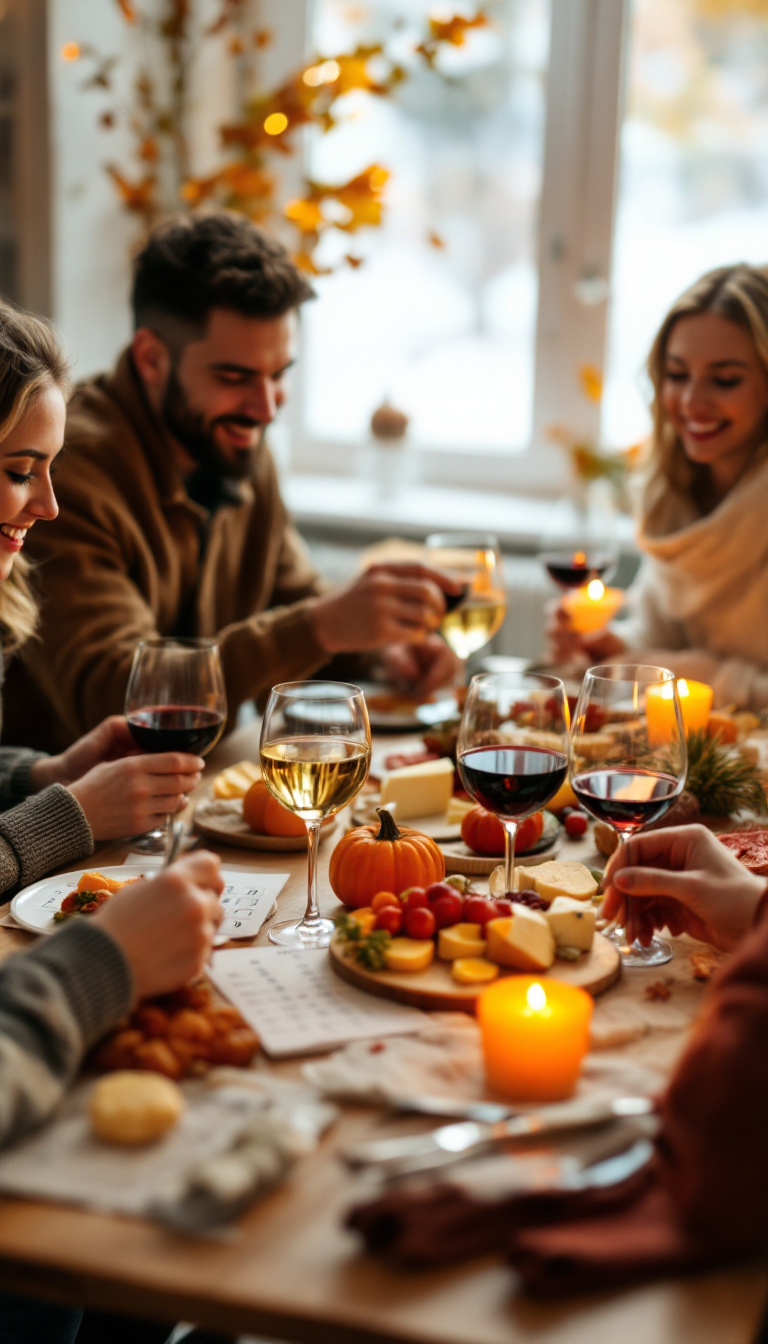
This guide is built for beginners hosting in September 2025, with cozy fall vibes in mind. Think crisp evenings, small pours, and flavors that fit the season. We’ll keep it stress free, budget friendly, and focused on taste over trivia.
Here’s what you’ll find next: planning basics that cover guest count, glassware, and an easy tasting order; smart themes that make selection a breeze, like “Light to Bold Reds” or “Apples, Pears, and Spice”; and tight pairings that flatter each pour, from cheese boards to simple bites. You’ll also get quick activities that spark talk without pressure, like guess-the-grape, aroma cards, and score sheets.
By the end, you’ll have clear steps, a short shopping list, and host tips you can trust. You’ll know how to pick bottles, set the flow, and keep the mood warm and relaxed. Ready to pour a little fall into your night and make tasting feel easy? Let’s set the table and start planning.
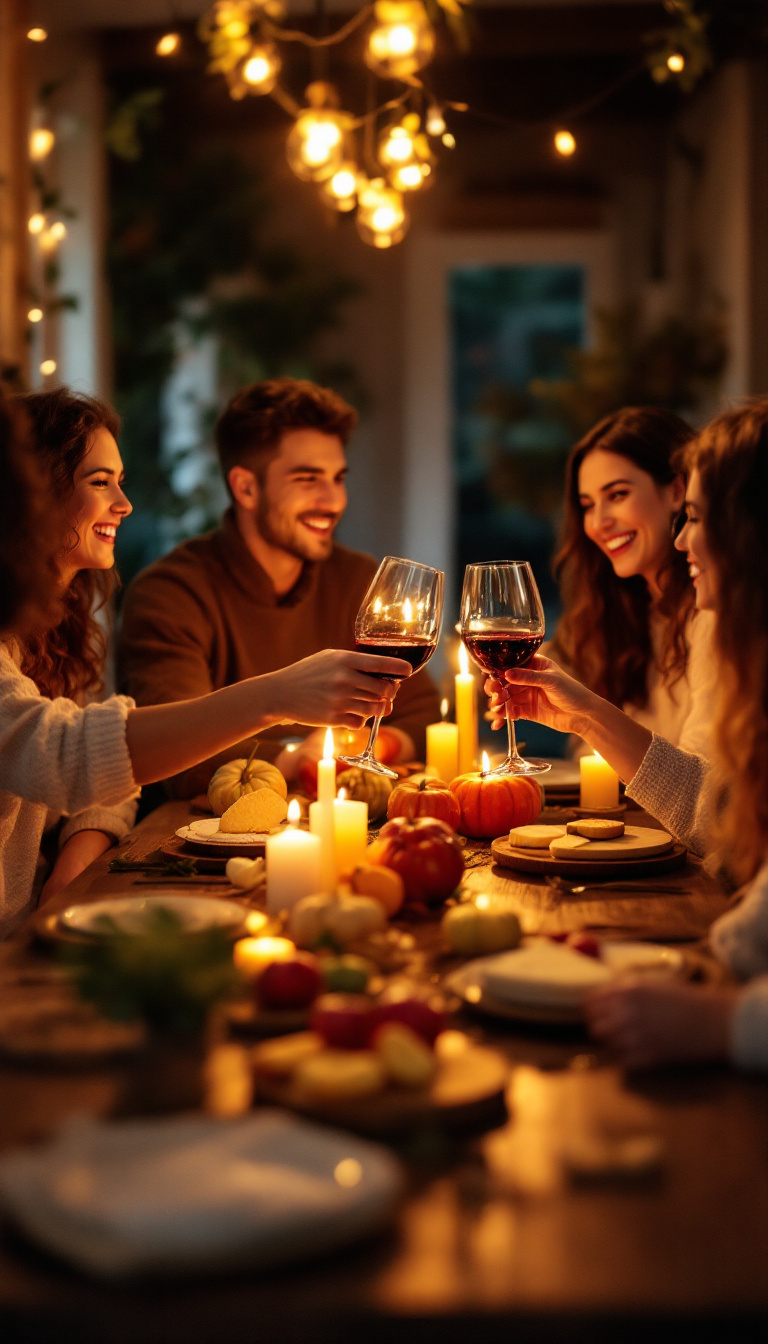
Essential Planning Steps for Your Wine Tasting Party
Keep this simple, social, and low pressure. Plan 4 to 6 weeks ahead, pick a budget, and invite the right crowd. Aim for 6 to 12 guests so pours stay small and talk stays lively. Source bottles from local wine shops, warehouse stores, or trusted apps. Mix reds, whites, and a sparkler to please different tastes. You are hosting, not teaching, so keep it casual and fun.
A $60 to $90 wine budget works well for beginners. That covers 4 to 6 solid bottles under $15 each. Add light snacks, water, and basic supplies, and you are set.
How to Select Wines Without Breaking the Bank
Go for crowd-pleasers that are easy to find and easy to like. Choose 4 to 6 bottles, each under $15, with a clear mix of styles and regions. Here is a beginner-friendly lineup that hits variety without stress:
- Sauvignon Blanc, New Zealand: Zesty citrus, bright acidity, great starter white.
- Pinot Grigio, Italy: Light, crisp, and neutral, pairs well with many snacks.
- Chardonnay, Chile or California, unoaked: Clean apple and pear, not heavy or buttery.
- Pinot Noir, Oregon or Chile: Light red, soft tannins, cherry and spice.
- Malbec, Argentina: Juicy plum, smooth finish, friendly for red drinkers.
- Cava or Prosecco, Spain or Italy: Dry bubbles, perfect welcome pour.
Preview a simple theme here, then expand later. For example, “Fresh and Fruit-Forward,” “Old World vs New World,” or “Fall Feels: Apple, Pear, Spice.” Keep the bottles aligned with the theme, but do not overthink it.
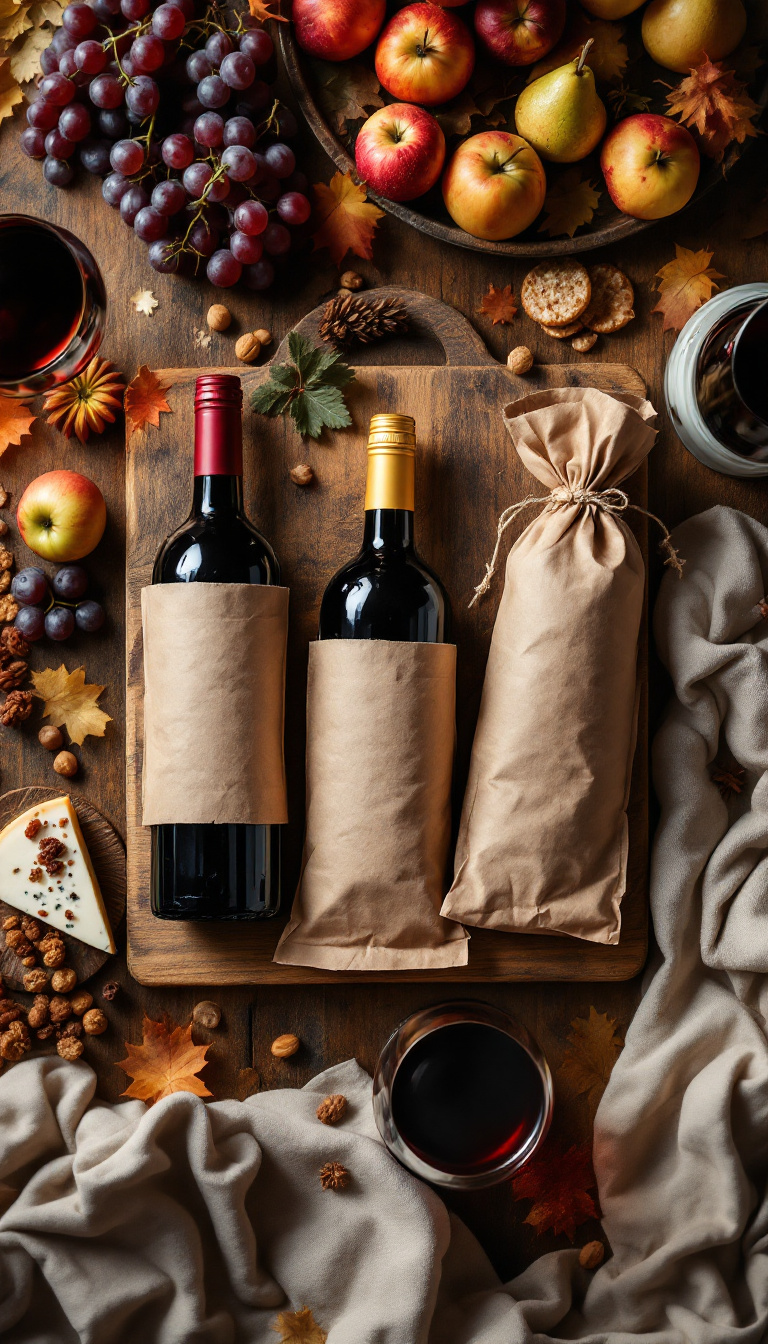
For a blind tasting, bag and label each bottle:
- Slip bottles into brown bags or wrap with foil.
- Mark with large numbers using masking tape, like 1 to 6.
- Keep a note on which number matches each wine for the reveal.
- Pour small, about 2 ounces, and rotate through the numbers.
Buy from local shops, club stores, or apps with filters like “under $15,” “top rated,” and “dry.” Ask for help. Staff picks often hit both value and quality.
Setting Up a Cozy and Functional Tasting Space
Use what you have. A living room coffee table, a dining table, or a covered patio works well for fall. Keep traffic moving in a loop so guests can pour, taste, note, then mingle.
- Lighting: Warm lamps or soft string lights. Avoid harsh overhead glare.
- Music: Low-volume soft jazz, acoustic, or classical. It should sit in the background.
- Stations: One for pouring, one for water and palate cleansers, one for notes.
Set the table with the basics. Keep it tidy and green:
- Glasses: One per person, plus a rinse cup. Universal wine glasses are fine.
- Spit cups and dump bucket: Encourage spitting so everyone stays fresh.
- Water and plain crackers: Reset the palate between pours.
- Napkins and a small towel: Quick cleanups keep the vibe calm.
- Eco picks: Compostable cups for spitting, cloth napkins, reusable glass tags.
Example layout: Bottles 1 to 6 on a runner, numbered card in front, water pitchers at both ends, crackers in the middle, pens and score sheets at each seat.
Crafting Invitations and Managing Your Guest List
Invite a mix of friends who enjoy trying new things. Aim for 6 to 12 people so conversation feels natural and everyone gets a taste.
Choose your invite style and keep the message clear:
- Digital: Email, text, or apps like Paperless Post and Canva. Easy RSVPs.
- Printed: Simple cards with a fun wine pun are great for hand delivery.
Set expectations in the invite:
- Timeframe: 2 to 3 hours, with small pours.
- Who brings what: Host provides wines. Guests bring a snack if they want.
- Details: Note the theme tease, dress casual, outdoor layer if on the patio.
- RSVP info: Ask about allergies, dietary needs, and wine preferences.
Add a short timeline to stay organized:
- 4 to 6 weeks out: Pick date, theme, and guest list.
- 3 weeks out: Order or buy wines and supplies.
- 1 week out: Confirm RSVPs and finalize snacks.
- Day of: Chill whites and bubbles, set stations, print score sheets.
Keep the group diverse. Mix personalities and experience levels. The best tastings feel like a friendly table where everyone learns something new and leaves with a favorite bottle to buy again.
Creative Wine Tasting Themes to Wow Your Guests
A strong theme pulls your lineup together and gives guests a clear story to taste. Pick one concept, set a few prompts, then let the bottles do the talking. These ideas mix trend-forward choices with easy setup and clear learning moments.
Explore Wines from Around the World
Take a one-night tour with four stops, each with a signature style. Keep pours small and let guests spot differences in climate, grape, and texture. Add a world map and tiny flags to make it feel like travel without leaving the table.
Quick regional highlights that keep the lineup focused:
- France: Bordeaux reds with Cabernet Sauvignon and Merlot, firm tannin and blackcurrant. Provence offers dry rosé that is pale, crisp, and salty.
- Italy: Tuscany’s Sangiovese is cherry-led with spice and grip. Northern Pinot Grigio is light, lemony, and clean.
- California: Napa Cabernet brings ripe blackberry and vanilla from oak. Sonoma Chardonnay ranges from crisp apple to richer pear and toast.
- Argentina: Mendoza Malbec is plush with plum and cocoa. Torrontés from Salta is floral, light, and dry.
Simple setup ideas that boost immersion:
- Print a map and circle each region.
- Place a small flag next to each bottle.
- Add short tasting cards with grape, climate, and one food pairing.
Why it works:
- Educational: Old World vs New World styles, side by side.
- Flexible groups: Scales from 6 to 14 guests with ease.
- Cost: $70 to $120 for 4 to 6 bottles, plus $10 for a map print and $8 for mini flags.
Tip: Pour in geographic order to tell a clean story, like France to Italy to California to Argentina.
Variety Showdown: Reds vs. Whites vs. Roses
Pit the three main styles head to head. Guests compare structure, fruit, and freshness, then vote for the winner. It is simple, lively, and perfect for mixed tastes.
Use these tasting prompts on every glass:
- Fruitiness: low, medium, or high. Name one fruit you smell.
- Body: light, medium, or full. How heavy does it feel?
- Acidity: soft, bright, or zippy. Does it make your mouth water?
Seasonal picks for September that feel right with early fall:
- Whites: Sauvignon Blanc, Pinot Grigio, or Albariño for crisp, citrus lift.
- Roses: Provence or California rosé, dry and refreshing.
- Reds: Pinot Noir, Gamay, or Barbera for red fruit and gentle tannin.
Make the vote fun and fast:
- Give each guest three colored stickers.
- Place them on their top red, white, and rosé.
- Crown a “House Favorite” and snap a photo of the label.
Why it works:
- Educational: Clear structure lessons without wine jargon.
- Great for 6 to 10 guests: Enough votes to spot trends, not chaotic.
- Cost: $60 to $100 for bottles, plus $3 for stickers and free printable score sheets.
Host tip: Keep pours in flights, one category at a time, so palates stay sharp.
Eco-Friendly and Sustainable Wine Picks
Spotlight bottles that care for the soil and the future. Guests learn to read labels and taste clean fruit from vineyards that protect their land.
Labels and seals to look for:
- Organic: USDA Organic or EU Organic logo, limited synthetic inputs.
- Biodynamic: Demeter certified, farm-as-ecosystem approach.
- Sustainable: SIP Certified and Certified Sustainable California (CSWA), water and habitat focused.
What you may taste:
- Brighter fruit with less makeup from heavy oak.
- Fresh texture from careful picking and lower inputs.
- Slight haze in some wines if unfiltered, which is normal.
Green party touches that match the theme:
- Recycled or upcycled glassware and vases.
- Cloth napkins and compost bin near the snack board.
- Potted herbs as centerpieces, then send them home as favors.
Why it works:
- Educational: Teaches label literacy and farming basics.
- Best for 4 to 8 guests: Slower pace, deeper chat.
- Cost: $12 to $20 per bottle for many options, $15 for recycled-glass votives, $10 for herb pots.
Quick pairing ideas to highlight purity:
- Fresh goat cheese with organic Sauvignon Blanc.
- Tomato bruschetta with biodynamic Sangiovese.
- Roasted mushrooms with sustainable Pinot Noir.
These themes turn tasting into a shared story. Pick one that fits your group, set simple prompts, and build a small moment around each bottle.
Pairing Foods and Games for an Interactive Experience
Small bites and simple games keep the mood bright and the focus on the wine. Think of food as a support act, not the headliner. Then add a few low-pressure activities that bring everyone into the tasting. Here is how to set it up with zero fuss.
Simple Food Pairings That Enhance Every Sip
Start with a compact board that plays well with most bottles. Keep flavors clean so the wine stays center stage.
Charcuterie basics that always work:
- Cheeses: soft and tangy for whites (goat cheese, Brie), firm and nutty for reds (Cheddar, Manchego, Parmigiano).
- Fruits: apple, pear, grapes, dried apricots, figs.
- Nuts: almonds, walnuts, Marcona almonds.
- Crackers and bread: plain water crackers, crostini, sliced baguette.
- Extras: olives, cornichons, honey, whole grain mustard.
Why these pairings work in plain terms:
- Tannins love fat. Aged cheeses and cured meats soften the grip in red wines.
- Acid cuts richness. Zippy whites refresh the palate after creamy cheeses.
- Salt boosts fruit. Salty nuts and olives make wine taste juicier.
- Sweet meets spice. A touch of fruit or honey calms spice or high alcohol.
Fast, beginner-friendly bites:
- Mini bruschetta: Toast baguette slices, rub with cut garlic, top with diced tomato, olive oil, salt, and basil. Great with Sauvignon Blanc or rosé.
- Stuffed grapes: Halve seedless grapes, add a dab of whipped goat cheese, sprinkle crushed pistachios. Chill 15 minutes. Pairs with Pinot Grigio.
- Prosciutto-wrapped apple slices: Thin apple wedges, a ribbon of prosciutto, finish with black pepper. Friendly with Pinot Noir.
- Herb ricotta bites: Mix ricotta, lemon zest, and chives. Spoon onto crackers, drizzle honey. Lovely with unoaked Chardonnay.
Host tip: Put small labels by each bite with a suggested wine. It guides guests without turning the night into a class.
Engaging Games to Keep the Party Lively
Games should invite, not intimidate. Keep scoring simple, offer small prizes, and let guests opt in or sit out.
- Blind tasting guesses with prizes
- How it works: Bag bottles and number them. Guests guess grape, country, or price bracket. Offer two clue cards if needed.
- Scoring: 2 points for grape, 1 for country, 1 for price bracket.
- Prize ideas: a fun under-$12 bottle, cute wine stopper, or chocolate bar.
- Tools: Printable scorecards or a quick Google Forms quiz for easy totals.
- Wine trivia quiz
- Format: 10 questions that mix basics and fun facts, like serving temps, cork vs screw cap, or famous regions.
- Inclusivity: Add multiple-choice answers to keep it friendly for beginners.
- Delivery: Print a one-pager or run it in Kahoot on a TV for quick voting.
- Tie-breaker: Guess the total number of corks in a jar.
- Pair-the-pairing challenge
- Setup: Place 4 bites on a plate and pour 3 small tastes. Guests match each bite to the best wine.
- Scoring: 1 point per correct match, plus a bonus for explaining why in one line.
- Learning cue: Put short hints at the station, like “fat softens tannin” or “salt boosts fruit.”
Make it smooth:
- Scorecards: One sheet per guest with room for notes. Use large numbers for each wine.
- Apps: Simple forms collect votes and show results fast. No downloads needed.
- Timing: Run one game early, one mid-tasting. Keep each to 15 minutes.
Top Tips for a Stress-Free Wine Tasting Night
A little structure keeps things calm and fun. Think pace, water, and safe rides home.
- Pace the pours: One wine every 15 to 20 minutes. That gives time to taste, chat, and reset. Aim for 2 ounce pours.
- Hydrate and cleanse: Put pitchers of water and bowls of plain crackers at both ends of the table. Offer sliced baguette and apple slices as gentle palate cleansers.
- Moderation cues: Provide spit cups and a dump bucket. Say it out loud at the start so everyone feels comfortable.
- Non-drinker options: Serve a signature mocktail, like spiced apple fizz. Mix apple cider, lemon, and club soda over ice, garnish with thyme. Keep NA beer or sparkling water on hand.
- Transport reminders: List local rideshare options by the door. Encourage carpooling and designated drivers. Keep extra water bottles near the exit.
Quick cleanup so you can relax:
- Line a small bin for recyclables near the tasting area.
- Soak wine glasses in warm water while you clear plates.
- Salt and club soda lift fresh red wine drips from fabric.
- Wipe sticky spots with a damp microfiber cloth, then dry.
- Gather corks in a bowl for a future craft or recycling drop.
Post-party touch:
- Snap a photo of the top-rated labels and text it the next day with a short thank you. Share the winner, a few tasting notes, and where to buy. That small follow-up turns a fun night into a shared memory.
Conclusion
Keep it simple, set a clear theme, and pour small tastes. That is the heart of easy planning, and it leads to real fun. You now have beginner friendly wine tasting party ideas, quick pairings, and a few games that spark talk without pressure. The fall 2025 twist is ready too, with apples, pears, spice, and cozy lights.
Pick one idea and try it this month. Start with four bottles, a tight snack board, and short prompts. Snap a photo of your top label and share it with your crew. Save your score sheets so you can build the next lineup with confidence.
Thanks for reading and planning with care. Share your best moments, house favorites, and funniest guesses in the comments or tag us on social. If you want more, watch for a winter edition with holiday-friendly bubbles, dessert pairings, and stress free host tips.
Good wine, good people, and a plan you trust. That is a party worth repeating.