
Wine Tasting Party Food: Simple Pairings and Easy Bites
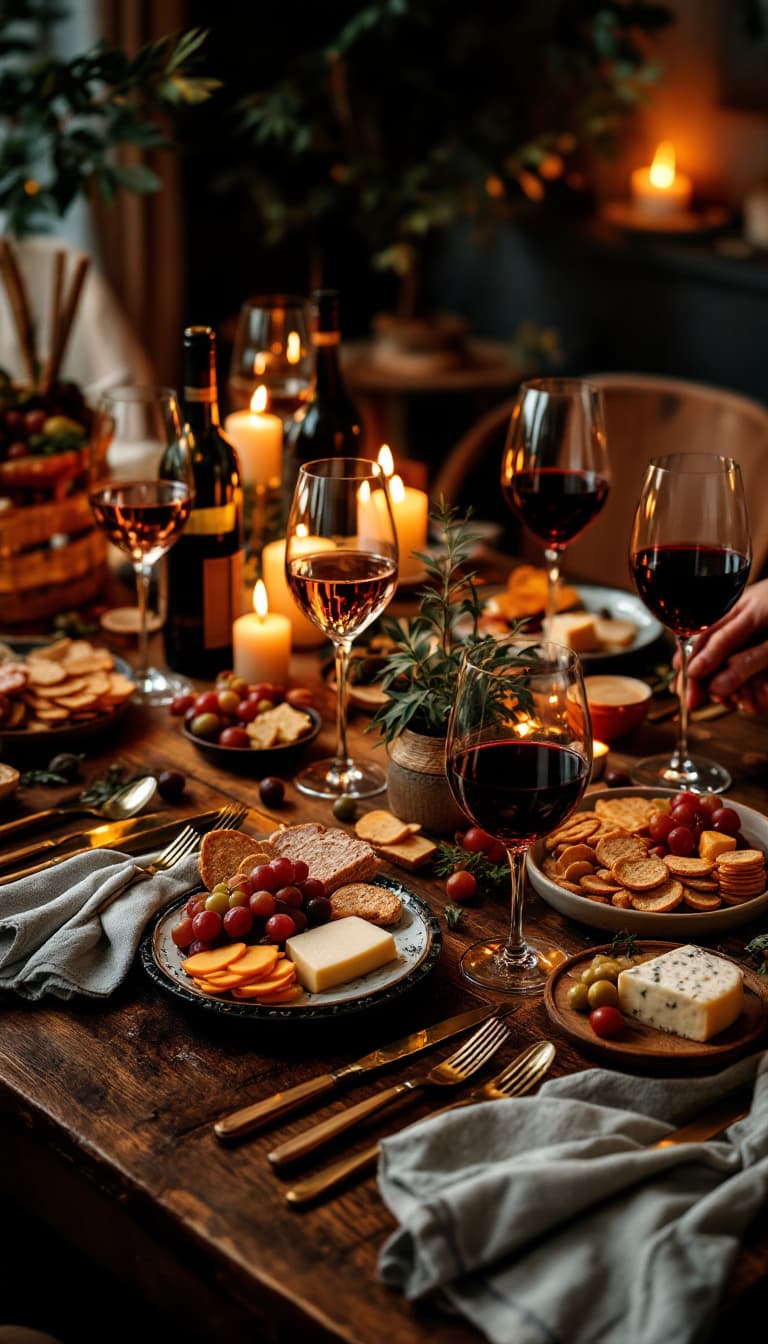
What if your next get-together felt like a mini wine bar at home? With the right wine tasting party food, a simple night with friends turns into a relaxed tasting that feels special, not fussy.
Food matters because it helps your palate reset. A salty bite, a crisp apple slice, or a creamy cheese can lift aromas and round sharp edges. Small snacks also slow the pace, so each pour gets a fair taste.
In this guide, you’ll get pairing basics that actually work, like matching weight and balancing acid, salt, and fat. You’ll see easy food ideas for different wines, from bright whites and bubbles to bold reds and sweet sips. You’ll also get simple serving tips, like portion sizes, timing, and how to set a clean tasting order.
Think mix-and-match, not a full meal. We’ll cover smart staples, such as crackers, mild cheeses, charcuterie, olives, and fresh produce, plus a few warm bites that hold up to tannins. You’ll learn how to swap items for gluten-free or dairy-free guests without losing flavor.
By the end, you’ll know how to build a spread that supports each pour, keeps palates fresh, and makes guests feel at ease. Ready to plan food that works for your wines and your crowd? Let’s make wine tasting party food simple, fun, and delicious.
Master the Basics of Wine and Food Pairing
Keep pairings simple and think balance first. Light wines pair with light foods, bold wines pair with richer bites. Acidity refreshes, tannins grip fat, sweetness softens heat and salt. For tastings, aim for small portions so the wine stays center stage.
- Portions: 1 to 2 bites per pairing, 1 ounce cheese, 1 to 2 slices meat, a few fruit pieces.
- Avoid overload: Heavy sauces, strong garlic, and sharp vinegar can drown delicate wines.
- Smart rule: Match intensity, balance salt and fat with acid and tannin, use fruit as a reset.
Pairing Reds: Cheeses and Meats That Shine
Cabernet Sauvignon and Merlot love aged, firm cheeses and savory charcuterie. Their tannins bind with fat and protein, which smooths the structure and lets fruit and spice notes show.
- Aged cheddar or gouda: The nutty, salty edge stands up to Cab’s tannins and Merlot’s round fruit. The fat softens grip, so the finish feels longer and cleaner.
- Salami or prosciutto: Salt and fat tame tannins, while pepper and umami highlight dark berry notes.
Simple serving ideas:
- Slice cheddar or gouda thin, serve slightly cool, not cold, with plain crackers to avoid flavor clash.
- Fold prosciutto into loose ribbons and place beside a few roasted almonds for texture.
- Offer a small dish of cornichons on the side, not with the bite, to keep vinegar from spiking the wine.
- Keep portions small. One cheese slice or one meat slice per taste is plenty.
Quick tip: Skip smoky or spicy heat with big tannic reds. Spice can make tannins feel harsher.
Pairing Whites: Fresh Fruits and Seafood Delights
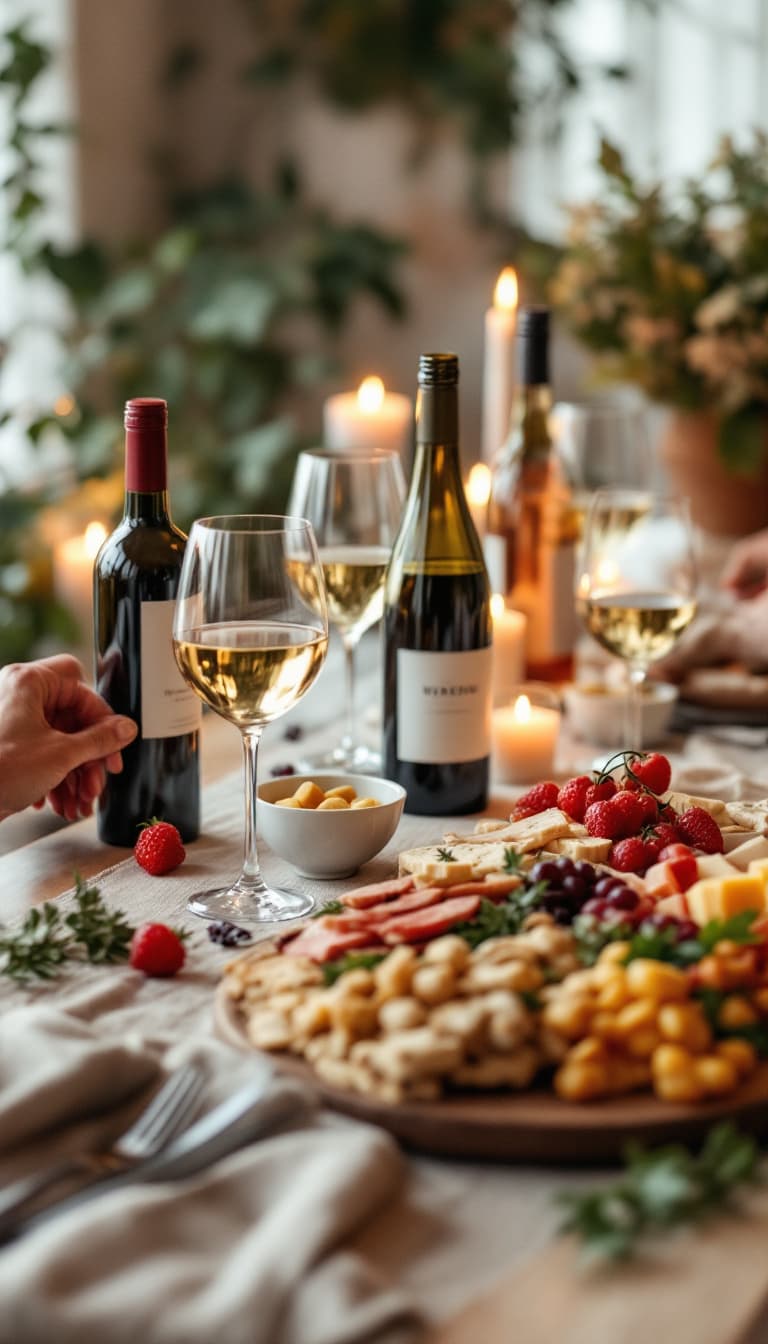
Crisp whites shine with fresh, light foods. Acidity cuts cream and salt, and lifts delicate flavors.
- Chardonnay with brie: Creamy brie meets rounded acid and oak spice. The wine’s body matches the cheese’s richness, so nothing feels heavy.
- Sauvignon Blanc with goat cheese and oysters: Zippy acid and citrus notes brighten tangy chèvre and briny oysters, keeping the palate lively.
Easy add-ons:
- Serve green grapes or sliced apples as palate cleansers. They reset taste buds without stealing the show.
- Keep oysters simple, chilled with a lemon wedge. Skip heavy mignonette for tastings.
- For goat cheese, offer plain crostini or cucumbers for a clean crunch.
Pro move: Keep white wine pairings cool, minimal, and bright. Let acidity do the heavy lifting.
Easy Finger Foods to Elevate Your Wine Tasting
Keep the focus on easy bites that guests can grab without pausing the flow. Mix make-ahead favorites, like stuffed mushrooms and bruschetta, with no-fuss staples. Aim for variety so each pour has a match. Arrange food to guide tasting from light to rich, and keep flavors clean so the wine still leads.
- Make-ahead wins: Prep the day before, then plate and pour.
- Balance and variety: Include salty, creamy, crunchy, and fresh.
- Flow: Start with lighter items near whites, move toward bolder bites for reds.
Build a Stunning Charcuterie Board on a Budget
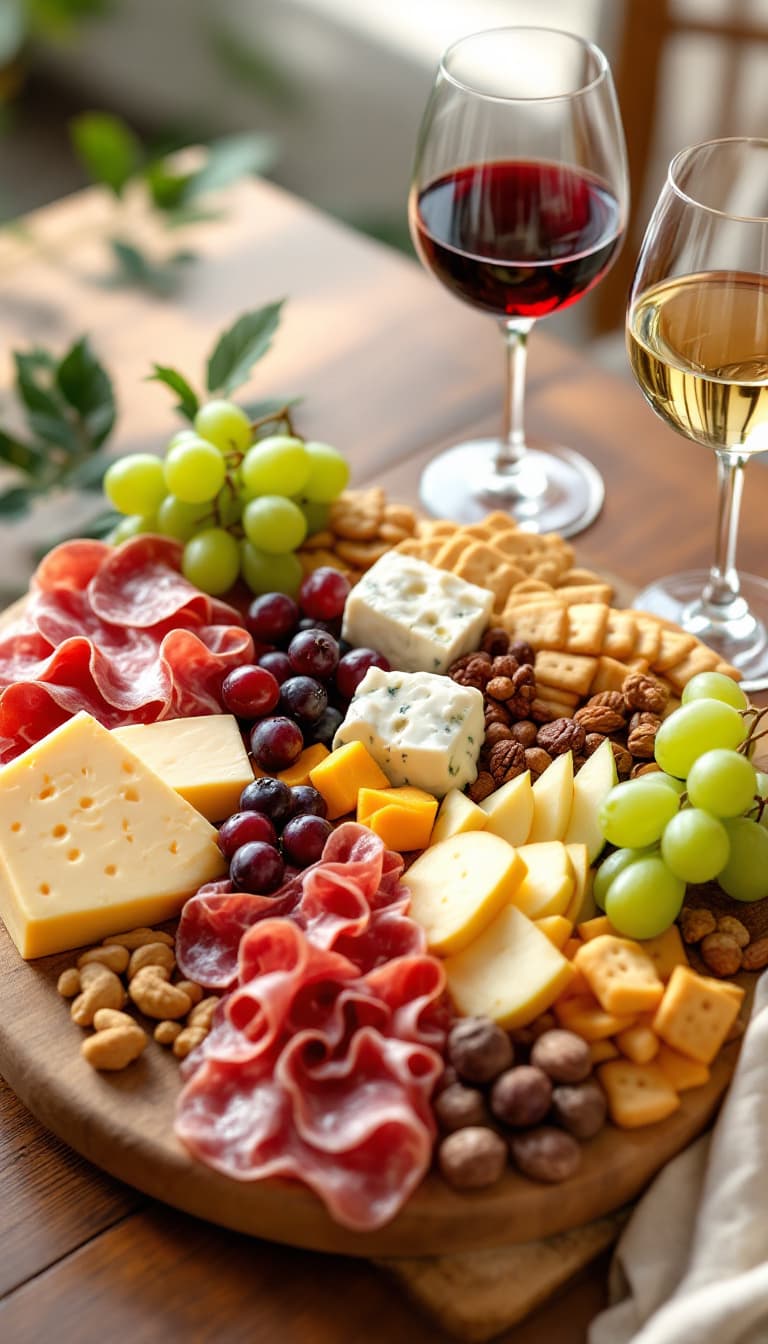
You do not need premium cuts or rare cheeses. Pick simple, good-quality basics and arrange them with intention.
- Affordable meats: Thin-sliced salami, speck scraps, turkey or chicken deli slices folded into ribbons.
- Budget cheeses: Sharp cheddar, young gouda, goat log, Monterey Jack. Add one aged wedge if budget allows.
- Crunch and carbs: Plain water crackers, sliced baguette, seeded crispbread, pretzel thins.
- Extras: Roasted almonds or peanuts, cornichons on the side, honey, Dijon, dried fruit, apple or pear slices.
Layout for impact and tasting order:
- Place crackers and bread at the edges to frame the board.
- Start light on the left, end richer on the right. Goat cheese and fresh fruit first, aged cheddar and salami last.
- Use small bowls for nuts, mustard, and honey to add height and color.
- Tuck in fresh herbs or arugula for a clean look, and leave space between stronger items.
Pairing cues without repeating yourself:
- Keep tangy goat cheese near bright whites.
- Park aged cheddar and salami closer to structured reds.
- Add a small bowl of honey or fig jam to bridge off-dry or dessert wines.
Pro tip: Slice cheeses and meats before guests arrive. Chill, then set out 20 minutes before tasting so aromas open.
Quick Bites: Olives, Nuts, and Veggie Skewers
Neutral, simple snacks reset the palate and help guests pace their sips. Salted, lightly seasoned items act like a sponge for sharp edges, making aromas pop again. Keep flavors clean, with herbs and citrus for brightness.
- Why they work: Salt lifts fruit, fat smooths tannin, acid refreshes.
- Where to use: Serve at the start and between heavier bites.
Three make-ahead recipes that cover most wines:
- Citrus-Herb Marinated Olives
- Ingredients: 2 cups mixed olives, 1 strip lemon peel, 1 strip orange peel, 1 small garlic clove smashed, 1 teaspoon crushed red pepper (optional), 2 sprigs thyme, 1 bay leaf, 3 tablespoons olive oil.
- Steps:
- Rinse briny olives, pat dry.
- Warm oil with peels, garlic, thyme, bay, and pepper for 2 minutes on low.
- Toss with olives, cool, and refrigerate overnight. Serve at room temp.
- Pairing: Add chili for reds, keep it citrus-forward for crisp whites and rosé.
- Rosemary Sea Salt Roasted Nuts
- Ingredients: 3 cups mixed nuts, 1 tablespoon olive oil, 1 teaspoon chopped rosemary, 1 teaspoon flaky salt, 1 teaspoon brown sugar.
- Steps:
- Toss nuts with oil, rosemary, salt, and sugar.
- Bake at 325°F for 12 to 15 minutes, stirring once. Cool fully.
- Store airtight for a week.
- Pairing: Herb and salt play well with Chardonnay and lighter reds. Sugar rounds bitterness for high-tannin pours.
- No-Cook Caprese Skewers
- Ingredients: Grape tomatoes, mini mozzarella balls, fresh basil, olive oil, balsamic glaze, salt.
- Steps:
- Skewer tomato, basil, mozzarella.
- Drizzle with oil, add a few drops of balsamic, sprinkle salt.
- Chill for 30 minutes, then serve.
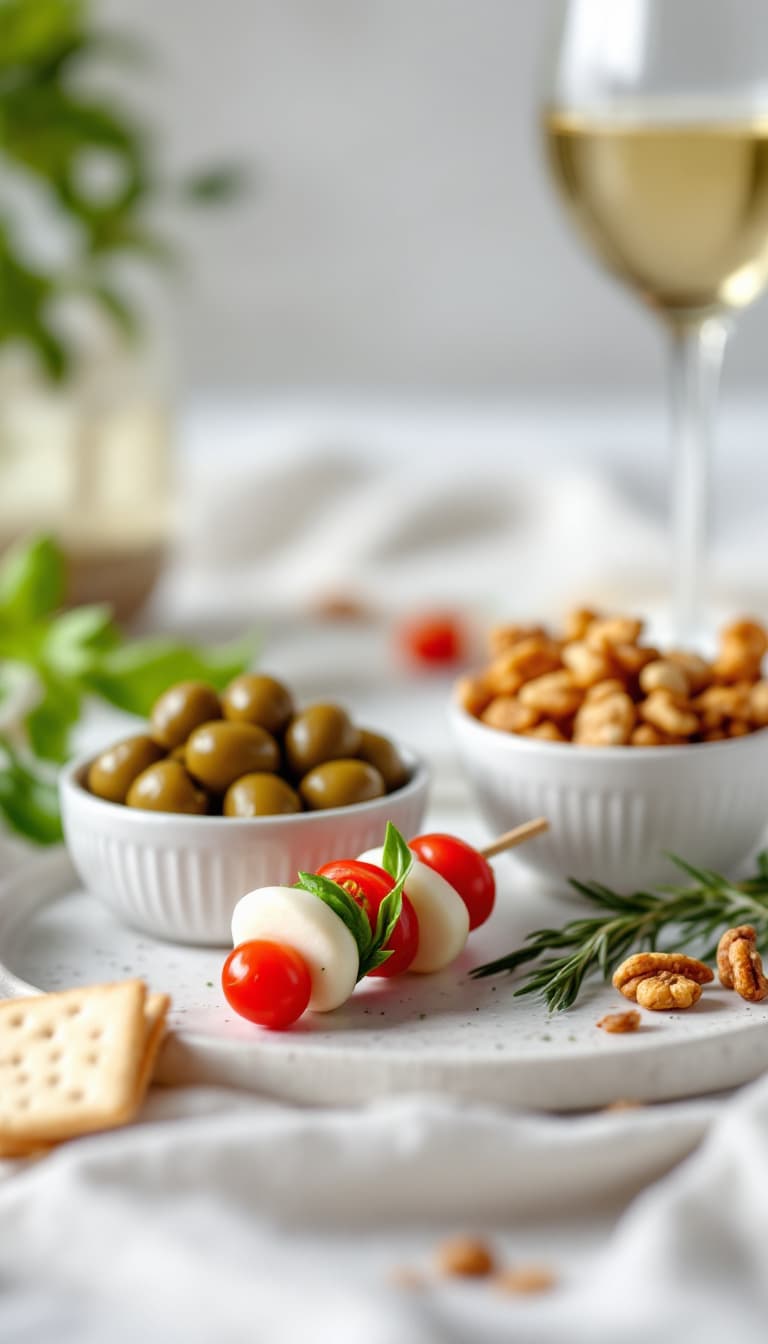
- Pairing: Bright acid fits Sauvignon Blanc, Pinot Grigio, and sparkling wines.
Prep tips:
- Keep seasoning light. Avoid raw garlic on everything, it can dominate delicate wines.
- Set out small bowls and refill often. This keeps the table neat and the tasting moving.
- Rotate bowls from mild to bold near the wines guests will sample next.
Tips for Serving Food at Your Wine Tasting Party

Set the scene so guests can sip, snack, and chat without hiccups. Use small plates, napkins, toothpicks, and water at every station. Keep the tasting order clear, white to rosé to red to sweet, so palates stay fresh. Add simple decor, think fresh herbs, a linen runner, and tea lights, plus a low-volume playlist with acoustic, jazz, or mellow pop.
Timing and Flow: Keep the Tasting Smooth
Pace the night like a flight, not a feast. Serve wines in 3 to 5 pours, with light bites between sips. Offer a salty or creamy nibble, then pause for water, then the next pour. Avoid big portions so no one gets full before the last wine.
- Sequence: Start with crisp whites, move to fuller whites, then rosé, then lighter reds, then structured reds, finish with off-dry or dessert.
- Bites between sips: Plain crackers, apple slices, mild cheese, or a few nuts work as resets.
- Portion control: One to two bites per wine. Guests can revisit favorites later.
- Freshness: Set out chilled items 10 minutes before tasting. Bring warm bites from the oven right before the red flight. Refill small bowls, not giant platters.
- Setup: Place water pitchers, spit cups, and a small bread basket at each end of the table. Swap serving knives often to keep flavors clean.
Keep music low enough for easy talk. Dim bright lights slightly, then add candles away from strong aromas.
Accommodating Guests: Inclusive Food Choices
A few smart swaps make everyone feel welcome. Label items clearly and keep separate utensils for each dish.
- Gluten-free: Stock plain rice crackers or seed crisps. Place them in a separate bowl from bread.
- Vegan: Add vegan cheeses that melt or slice well, plus hummus, marinated olives, and roasted veggies.
- Vegetarian: Offer stuffed mushrooms, caprese skewers, and herbed ricotta or whipped feta.
- Allergies: Create a nut-free zone. Use dedicated knives to avoid cross-contact.
- Non-alcoholic: Pour chilled sparkling water with citrus. Add one alcohol-free wine or a tart shrub if you like.
These choices keep the tasting smooth, the table fresh, and every guest at ease. Small details add up to a party people remember.
Conclusion
Keep it simple, and your tasting will shine. Match the weight of the wine with the weight of the bite, balance acid, salt, fat, and a touch of sweetness, and keep portions small so every pour speaks. Lean on easy wins like crackers, mild cheeses, charcuterie, olives, nuts, and fresh fruit. Add one or two warm bites for tannic reds, then set a clear flow from light to rich.
Plan for smooth pacing, clear labels, and a few smart swaps for guests with dietary needs. Prep what you can, chill whites, warm reds slightly, and refresh small bowls often. You get variety without chaos, and your table stays tidy.
Ready to host your own tasting soon? Pick three wines, then pair them with goat cheese and crostini, rosemary nuts, and a small aged cheddar with salami. Try the marinated olives or caprese skewers, then note your favorite pairings.
Share what worked in the comments, including your go to bite or surprise match. If you test a recipe, tell us how you tweaked it for your crowd.
Keep it friendly, keep it flexible, and keep it fun. A relaxed spread, clean flavors, and thoughtful pacing turn any night into a tasting worth toasting.