
How to Store Wine Bottles at Home (Without a Fancy Cellar)
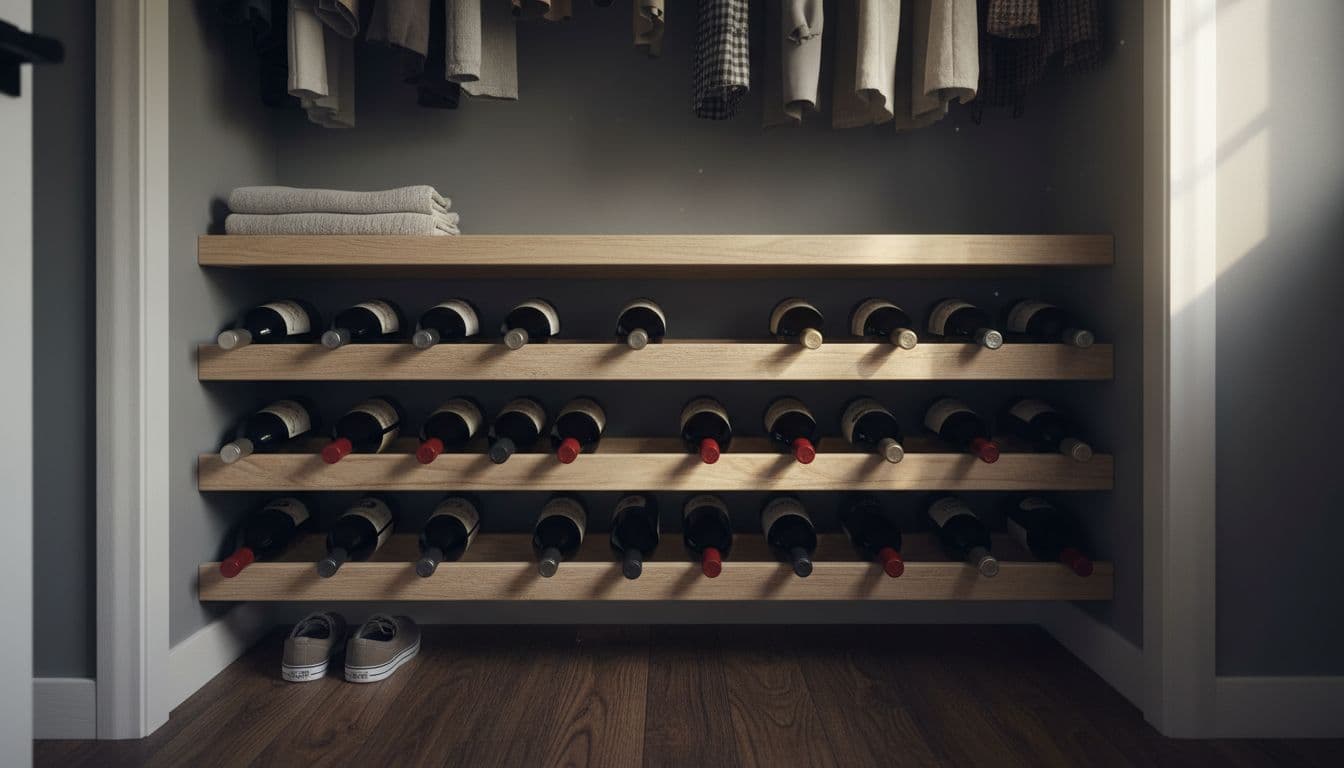
Wine can taste flat, sharp, or just “off” for one simple reason: it was stored badly. Heat can push wine to age too fast, light can dull aromas, and a dry cork can let air sneak in. The good news is that how to store wine bottles isn’t complicated, and you don’t need a stone cellar or a big budget to do it right.
This guide breaks it down into the basics that actually matter: steady temperature, low light, decent humidity, minimal vibration, the right bottle position, and a simple way to stay organized. Fix a couple of common mistakes and your bottles will taste better, last longer, and feel like a smarter purchase.
Start with the basics: the best conditions for storing wine bottles
Think of wine as a slow-cooking meal. When the “oven” runs too hot or swings up and down, the result changes fast, and not in a good way. Your goal is a stable, calm environment that lets wine age at its own pace.
Here are the core storage factors, in plain terms:
- Temperature controls how quickly wine ages. Too warm and it can taste cooked or tired. Big temperature swings stress the wine and can push air in and out of the bottle.
- Light (especially sunlight) can damage wine and mute fresh aromas. Clear bottles are the most at risk, but any wine can suffer over time.
- Humidity matters for corks. Too dry and the cork can shrink, letting oxygen leak in. Too damp and you can get mold on labels and racks.
- Bottle position keeps corks healthy for long storage. A cork that dries out is a cork that can fail.
- Vibration is a quiet troublemaker. Constant shaking can disturb sediment and may interfere with slow aging.
- Air quality matters more than people think. Strong smells (paint, chemicals, garlic, cleaning products) can work their way into natural corks over time.
If you can only control a few things, put your energy here, in this order:
- Keep it cool enough and steady.
- Keep it dark.
- Store corked bottles on their side for longer holds.
Everything else helps, but those three fix most home storage problems.
Temperature: the most important rule (and the safe range for most wines)
For most wines, a practical storage range is 50 to 60°F, and 55°F is a common target. If that sounds cooler than your home, that’s because it is. Wine doesn’t need to be ice cold, it needs to be steady.
A bottle stored at 72°F in a living room won’t instantly spoil, especially if you plan to drink it soon. The trouble starts when bottles sit warm for months, or bounce between hot and cool.
A few clear warnings that save bottles fast:
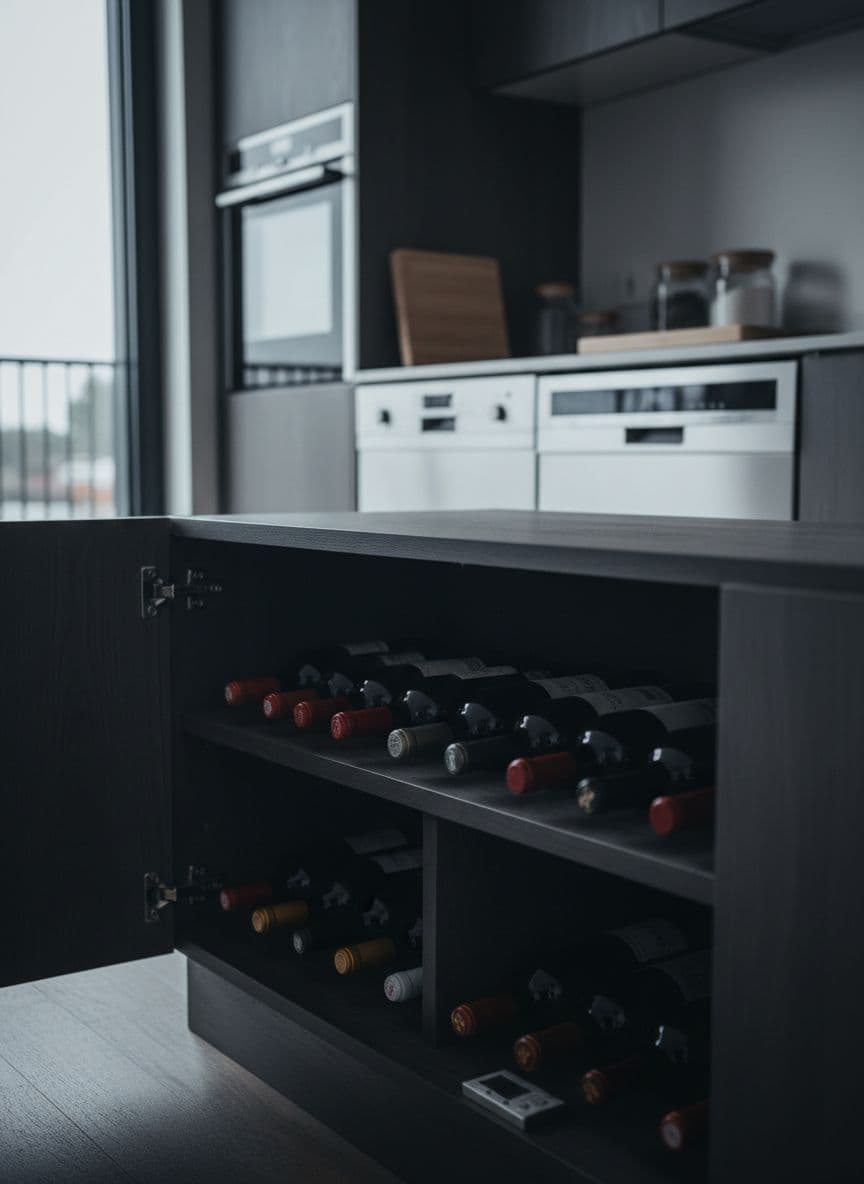
- Kitchens run hot and change temperature often. Ovens, dishwashers, and sunny counters make it worse.
- Garages are risky in many climates. Summer heat can climb high enough to cook wine, and winter can get cold enough to push corks out or damage the seal.
- Laundry rooms and utility closets near water heaters or furnaces stay warmer than you think.
- Above the fridge is one of the worst spots. Heat rises, and the fridge vibrates.
If you’re storing wine in a normal home space, pick the coolest interior area you have, and keep bottles away from heat sources by several feet.
Light, humidity, and vibration: small things that add up
Light damage is real, even if it doesn’t get talked about much outside wine circles. UV light can trigger chemical changes that leave wine smelling dull, cabbage-like, or “skunky.” Sunlight is the big culprit, but strong indoor lights can also be a problem over long periods.
Simple fix: store bottles in the dark, or in a closed cabinet or closet. If you use a wine fridge, a UV-protecting door helps, but darkness is still your friend.
Humidity is mostly about protecting corks. A good home target is 50% to 70% humidity. Many homes sit below that in winter, especially with heating running. If the air is too dry for too long, corks can dry and shrink, which increases the risk of oxidation.
Easy ways to handle humidity without turning your house into a science project:
- Use a closed closet or cabinet, since enclosed spaces swing less.
- Don’t store wine next to heating vents or radiators.
- If you have a wine fridge, it usually holds a better moisture level than open air.
Vibration is the slow drip of storage problems. Constant movement can keep sediment from settling and may push wine to age in a less graceful way.
Practical fixes:
- Keep bottles away from speakers, subwoofers, and exercise equipment.
- Avoid shelves that shake with foot traffic.
- Don’t store long-term bottles on top of appliances.

Where to store wine at home: pick the right spot and setup
The “best” place depends on two things: how long you’ll keep the wine, and how many bottles you’re managing. If you drink most bottles within a month or two, you can keep it simple. If you’re aging wine for the next holiday season (or longer), you’ll want more control.
Here’s a quick decision guide that keeps it real:
- Drink soon (weeks to a few months): a cool, dark closet or cabinet is usually good enough.
- Hold longer (6 months and up): consider a wine fridge or a dedicated cool corner.
- Small collection (under 12 bottles): one sturdy rack in a closet works well.
- Growing collection: plan for more space than you think, wine multiplies fast.
The common mistake is treating every bottle like it needs a cellar, or treating every bottle like it’ll be opened next Friday. Storage is about matching the setup to the timeline.
Short-term storage (weeks to a few months): pantry, closet, or cabinet done right
For short-term storage, “good enough” is often truly good enough, as long as you avoid heat and sun. A bottle that’s meant to be fresh and fruity doesn’t need years of perfect conditions, it needs a calm place until you drink it.
Best short-term spots in many homes:
- Interior closet on a low shelf (cooler and darker)
- Closed cabinet away from the stove or dishwasher
- Pantry that isn’t next to an exterior wall or hot appliances
A few placement tips that make a big difference:
Go low: heat rises, so lower shelves tend to be cooler.
Go interior: outside walls change temperature more.
Go dark: choose a spot with a door, not open shelving near windows.
Quick checklist of what to avoid (these spots ruin wine faster than people expect):
- Top of the refrigerator
- Countertop wine racks by a sunny window
- Above or next to the oven
- Garage storage in summer (and often winter too)
- Near a radiator, vent, or water heater closet
If you can’t find a perfect spot, choose the one with the steadiest temperature, even if it’s not the coolest.
Long-term storage (6 months and up): wine fridge, cellar corner, or under-stairs space
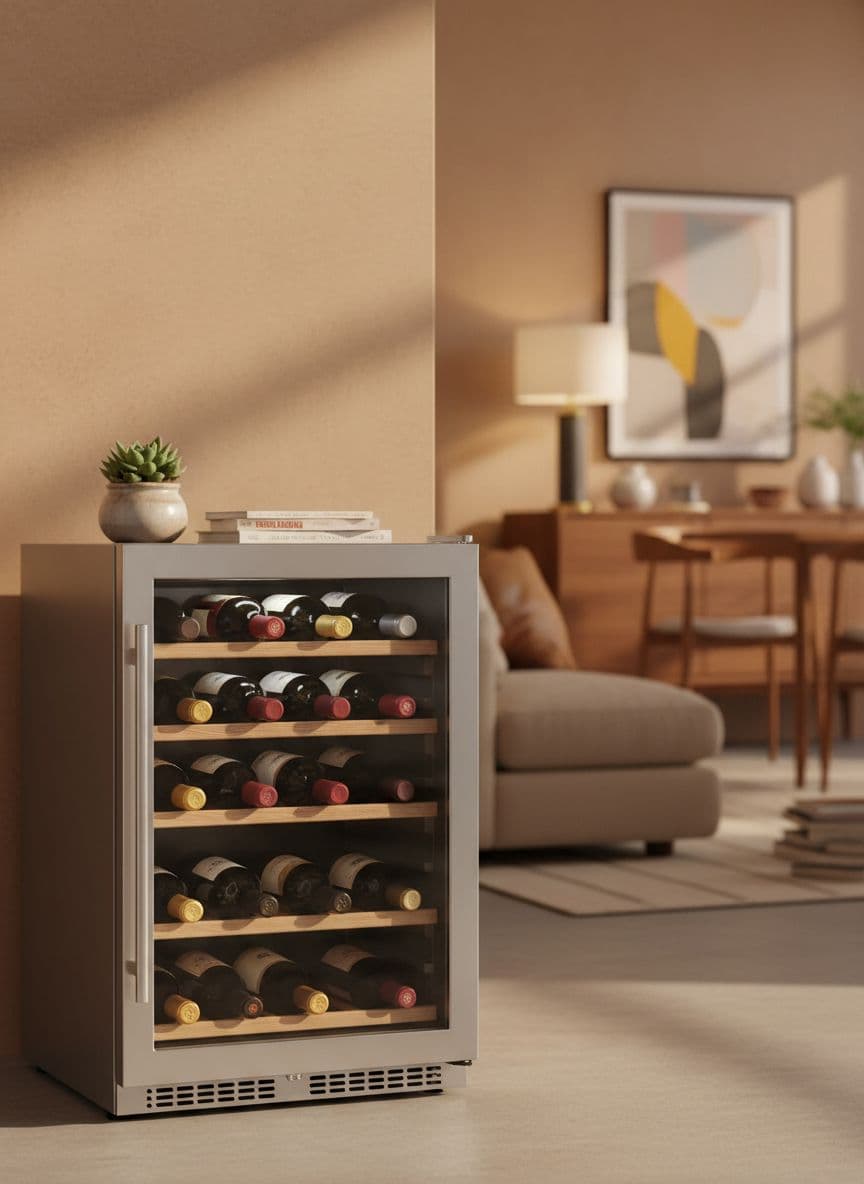
Once you’re storing bottles for 6 months or more, stability matters more. This is where a wine refrigerator starts to make sense, especially if your home runs warm or you’re building a collection you care about.
What to look for in a wine fridge (without getting lost in specs):
Single-zone vs. dual-zone:
- Single-zone is simpler and often fine for most people, especially if storage is the goal.
- Dual-zone helps if you also want serving-ready whites and reds at different temps.
Vibration control: a quieter compressor and stable shelving help bottles rest.
UV protection: tinted or UV-treated doors are useful if the unit sits in a bright room.
Right size (with room to grow): buy bigger than your current bottle count. If you have 18 bottles now, a 28 to 34 bottle unit won’t feel oversized for long. Also note that “bottle count” ratings assume standard Bordeaux shapes, wider bottles reduce capacity.
If you prefer a DIY approach, a “cellar corner” can work well in the right home:
- Choose a dark under-stairs area, basement corner, or interior storage room.
- Aim for a stable year-round temperature, even if it’s not exactly 55°F.
- Allow a bit of airflow, stale damp spaces can lead to musty smells.
Even in a DIY space, avoid storing wine next to paint, gasoline, harsh cleaners, or anything with a strong odor. Natural cork can absorb smells over time.
How to store wine bottles the right way: position, sealing, and organization
A good storage spot is half the job. The other half is how you place bottles, protect opened wine, and keep track of what you have. A messy pile of bottles turns into missed “drink by” windows and duplicate purchases.
A simple system works best:
- Keep “drink soon” bottles separate from “save for later” bottles.
- Store wines with similar timelines together (fresh whites vs. age-worthy reds).
- Label shelves or sections with painter’s tape if you need a quick reminder.
If you collect more than a few bottles, a basic log helps. It can be as simple as a note on your phone with bottle name, vintage, and where it’s stored.
Store bottles on their side (most of the time), but know when upright is fine
For wines sealed with natural cork (and many synthetic corks), storing bottles on their side is the usual rule for long-term storage. Side storage helps keep the cork from drying out, which lowers the risk of air leaking in.
A few exceptions and clarifiers keep this rule practical:
- Screw cap wines can be stored upright or on their side. The seal doesn’t rely on cork moisture.
- Short-term upright storage is fine. If you’re drinking the bottle soon, days or weeks upright won’t hurt it.
- Sparkling wine: side storage is common for corked bottles, but the key is still stable temperature. Sparkling wine is sensitive to heat.
- Stability matters: whatever the angle, keep bottles from rolling or clinking. Constant movement is not your friend.
If you’re using a small rack, make sure it supports bottles evenly. A bottle balanced on a thin bar can sit under odd pressure for months.

Opened wine storage: how long it lasts and the easiest ways to keep it fresh
Once a bottle is opened, oxygen starts changing it right away. Sometimes that’s good for the first hour, then it slides downhill. The goal is to slow that process.
Golden rule: re-cork and refrigerate opened wine, even reds. Cold temperatures slow oxidation. When you want a glass, let red wine warm up for 15 to 30 minutes.
Realistic timelines after opening (stored in the fridge, tightly sealed):
| Wine style | Typical freshness window |
|---|---|
| Sparkling wine | 1 to 3 days (best in the first 24 hours) |
| White and rosé | 3 to 5 days |
| Red wine | 3 to 5 days (lighter reds fade faster) |
| Fortified wine (Port, many sherries) | 2 to 4 weeks (sometimes longer) |
Simple tools that help, depending on how you drink:
Re-corking: push the original cork back in if you can, or use a clean stopper.
Vacuum pump: removes some air, helpful for still wines, less effective for sparkling.
Inert gas spray: adds a layer of gas to reduce oxygen contact, great for slow sippers.
Smaller container: if there’s only a glass left, pour it into a small jar or bottle. Less air space means slower oxidation.
If an opened wine smells like vinegar, wet cardboard, or bruised apples, it’s past its best. Don’t overthink it, pour it out and open something you’ll enjoy.
Conclusion
Storing wine well comes down to a few steady habits: keep bottles cool and stable, store them in the dark, aim for moderate humidity, and avoid constant vibration. For corked bottles you plan to keep, store them on their side. Then match your storage spot to your timeline, a closet works for short-term bottles, and a wine fridge is worth it for longer holds.
Pick one improvement today and stick with it, move bottles off the fridge, shift them away from the oven, or claim a cool closet shelf. With wine storage, consistency beats perfection, and your next glass will prove it.