Wine Lover Guides and Tips (Choose, Taste, Pair, Store With Confidence)
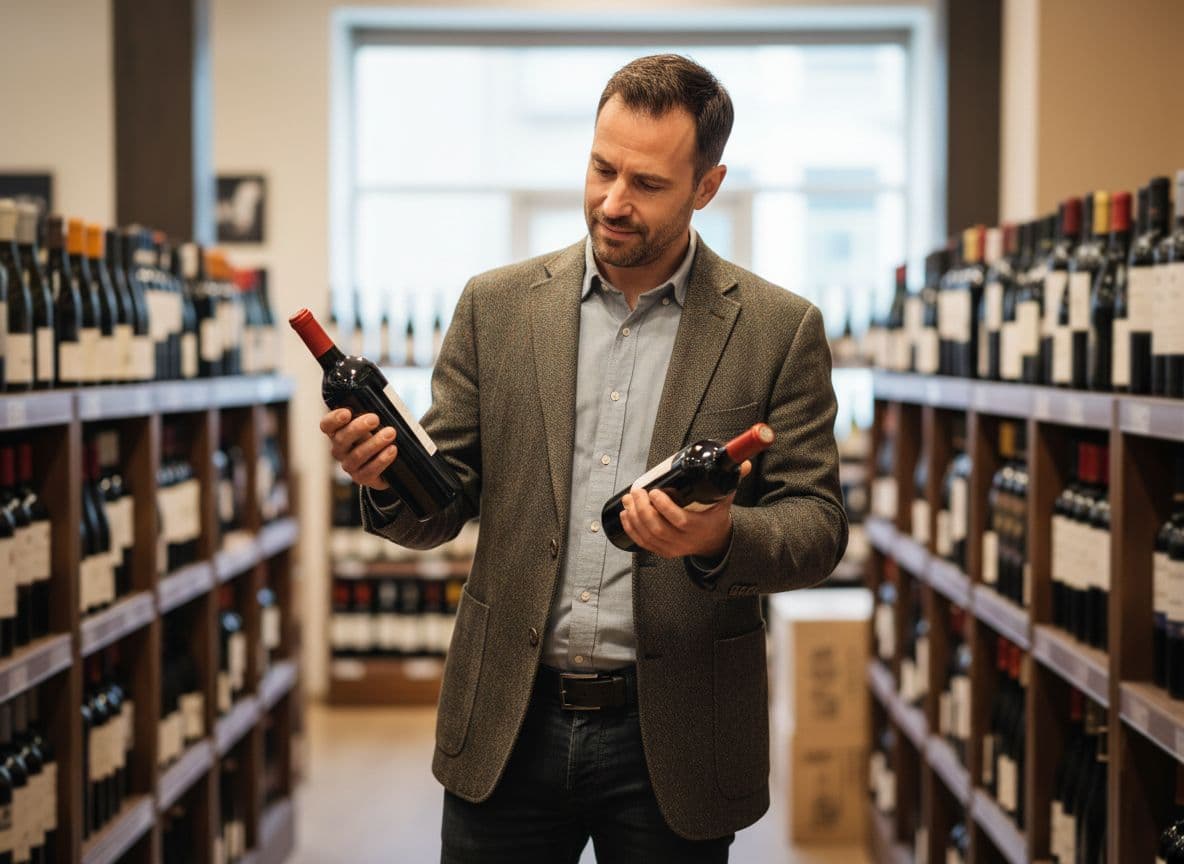
Wine should feel like a treat, not a test. This guide is a friendly shortcut to wine lover confidence, so you can choose bottles you’ll actually enjoy, taste them with purpose, and pair them with food without stress.
You’ll learn a simple path for buying smarter at the store or restaurant, a low-pressure tasting method you can use at home, and practical ways to store wine so it stays fresh. You’ll also see why “expensive” doesn’t always mean “better.” A $15 bottle that fits your taste can beat a $60 bottle that doesn’t.
Let’s make wine feel clear, personal, and fun.
Start Smart: How to Choose Wine You Will Actually Like
If you’ve ever stood in front of a wall of bottles and felt stuck, you’re not alone. The easiest way to choose wine is to stop chasing the “best” bottle and start choosing by style.
Use this quick decision path next time you buy:
- Sweetness: Do you want bone-dry, slightly sweet, or dessert-level sweet?
- Body: Do you want something light and refreshing, or rich and heavy?
- Bubbles: Still or sparkling?
- Price range: Set it before you browse. Your wallet will thank you.
At a restaurant, you can use the same path in one sentence. Try: “I’d like a dry white, light-bodied, not too oaky, around $X.” That’s clear, and it gives the server something real to work with.
If you’re shopping in a store, don’t be shy about asking for help. A good shop staffer won’t judge you. Give them two facts: what you’re eating, and a wine you liked (or hated). That’s enough to get a strong recommendation.
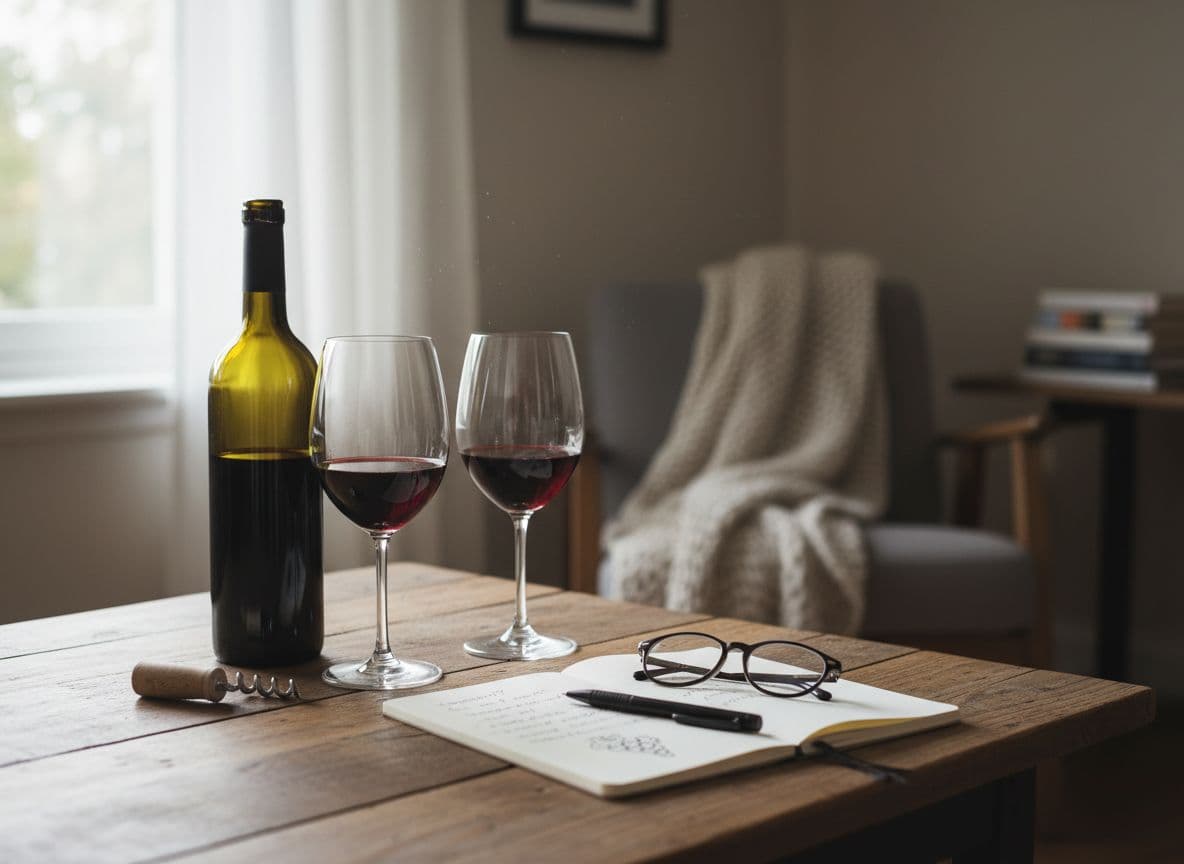
Red, white, rosé, or sparkling, a quick guide to flavors and body
“Body” is just how heavy the wine feels in your mouth. Think of it like milk:
- Light-bodied: like skim milk, lighter, brighter, easy to sip
- Medium-bodied: like 2%, balanced, not too light or heavy
- Full-bodied: like whole milk, richer, more mouth-filling
Here are a few common grapes and what many people notice in them:
- Sauvignon Blanc (white): crisp, citrus, sometimes “green” like lime or herbs
- Chardonnay (white): can be fresh and apple-like, or creamy and toasty if it’s oaked
- Pinot Grigio (white): light, clean, often mild
- Riesling (white): ranges from dry to sweet, often peachy or floral
- Pinot Noir (red): lighter red, red berries, often smooth
- Merlot (red): softer tannins, plum-like, easygoing
- Cabernet Sauvignon (red): fuller, darker fruit, more tannin
- Syrah or Shiraz (red): bold, dark fruit, sometimes peppery
Rosé sits in the middle. Most are dry and refreshing, with strawberry or citrus notes. Sparkling wines tend to feel extra bright because bubbles lift the flavors.
If you think you “hate” red wine (or white), you might just hate one style. Many people who dislike heavy, oaky reds enjoy a lighter Pinot Noir slightly chilled. Many people who think white wine is “too sweet” simply need a dry Sauvignon Blanc.
How to read a wine label, key words that matter
Wine labels can be helpful, but they can also be noisy. Focus on the details that actually tell you something.
Varietal vs blend
- A varietal names one main grape (like Chardonnay or Pinot Noir).
- A blend mixes grapes. Blends can be great because the winemaker is building a flavor on purpose, not chasing a label.
Region Where it’s made often hints at the style. Cool areas tend to make fresher, more tart wines. Warm areas often make riper, softer wines with higher alcohol.
Vintage The year the grapes were picked. Older doesn’t always mean better. For many everyday wines, newer is often fresher and more predictable.
ABV (alcohol percent) This can be a useful clue:
- Lower ABV often feels lighter and brighter.
- Higher ABV can taste riper, fuller, and sometimes a bit “hot.”
Common terms
- Dry: not sweet
- Sweet: sugar you can taste
- Oaked: flavors from oak aging, like vanilla, toast, or spice
- Unoaked: cleaner fruit flavor, often crisper
Watch out for marketing words like “reserve,” “old vines,” or “handcrafted.” They can be meaningful, but they aren’t a guarantee. Let your taste decide.
Taste Like a Pro (Without Acting Like One)
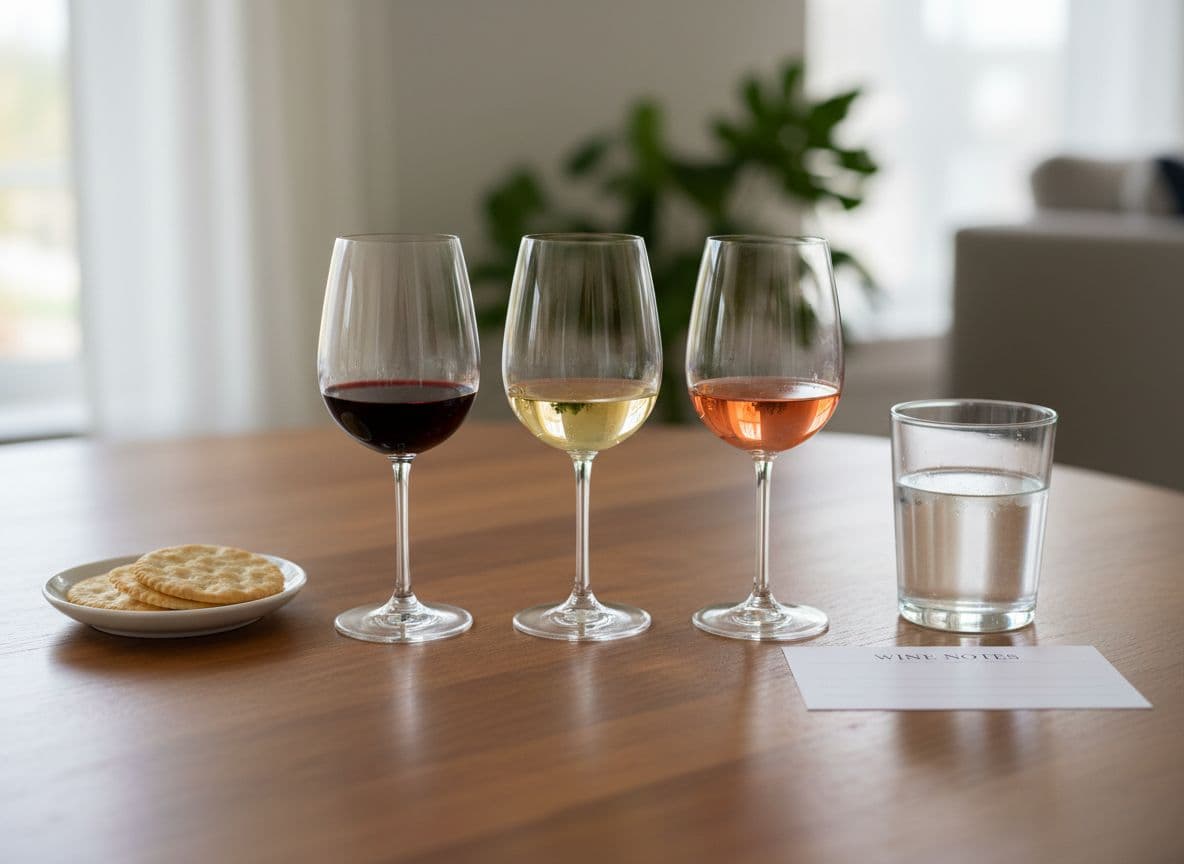
You don’t need a special palate. You need a repeatable habit. Tasting is like building a playlist, you notice patterns over time and you learn what you love.
A simple tasting routine helps you build “taste memory.” After a few weeks, you’ll stop guessing and start recognizing what works for you.
Wine flavors usually come from three places:
- Fruit: grape type and ripeness (apple, cherry, lemon, plum)
- Oak: barrel or oak chips (vanilla, toast, smoke)
- Age: time in bottle (dried fruit, nuts, earthy notes)
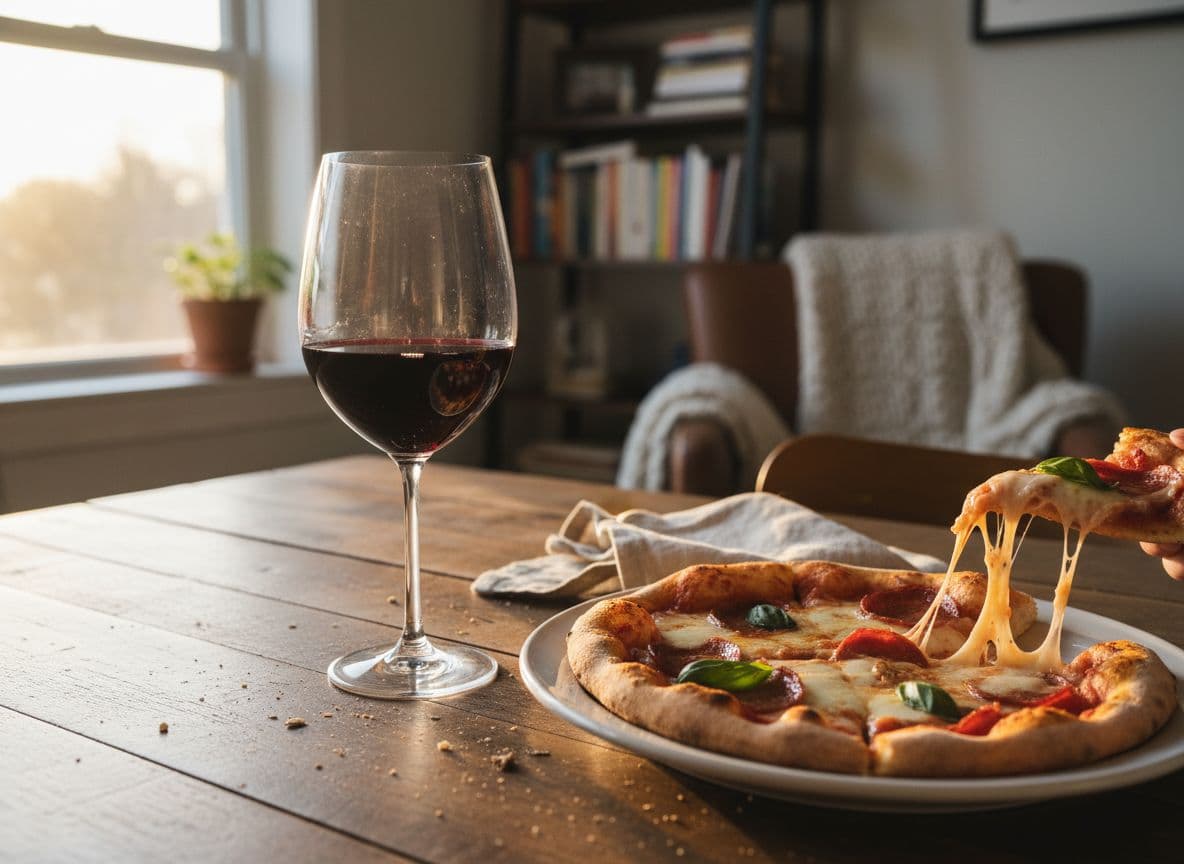
The 3 step tasting method: smell, sip, then decide
Keep it easy. You’re not performing, you’re checking in with your senses.
1) Smell (twice) Swirl if you want, but it’s optional. Take two short smells. The first is a quick hello. The second usually shows more.
2) Sip (small) Take a small sip and let it move around your mouth.
Now notice three things, using everyday comparisons:
- Acidity: like lemon juice. High-acid wines make your mouth water.
- Tannin (mostly in reds): like black tea. It can feel drying on your gums.
- Sweetness: like fruit juice. Even “fruity” wines can be dry.
3) Decide Keep your rating simple:
- Buy again: you’d happily drink it twice
- Maybe: fine, but not a must
- Pass: not your style
If you want one extra step, write one sentence in your phone: “Crisp, lemony, great with tacos.” That’s a taste memory you can use later.
Easy wine vocabulary that makes ordering and shopping simpler
Wine words can sound fancy, but most of them mean normal things. Here are the ones that make life easier.
- Dry: not sweet
- Fruity (not sweet): smells or tastes like fruit, but still dry
- Crisp: bright, high acid, refreshing
- Bold: strong flavor, often higher body and alcohol
- Tannic: drying, tea-like grip (common in Cabernet)
- Smooth: low tannin or well-balanced tannin
- Earthy: reminds you of herbs, mushrooms, soil, or dried leaves
- Buttery: creamy texture, often from oak and malolactic fermentation (common in some Chardonnay)
- Jammy: very ripe fruit flavor, like cooked berries
A few “say this at a restaurant” examples:
- “A dry, medium-bodied white with no heavy oak.”
- “A smooth red with medium tannins, nothing too bold.”
- “A crisp white with high acid, good with fried food.”
Clear beats clever. You’ll get better wine faster.
Pair Wine With Food Without Overthinking It
Pairing wine is less about rules and more about balance. Think of wine as a sauce. A squeeze of lemon can make a dish feel brighter, and so can a high-acid wine.
You don’t need perfect matches. You need “good enough” pairings that make both the food and wine taste better.
Simple pairing rules: match weight, balance acid, watch sweetness
Match weight Light food likes light wine. Rich food can handle fuller wine. A delicate salad can get crushed by a big red, like a whisper next to a drum.
Use acid to cut fat High-acid wines pair well with creamy, fried, or cheesy foods because they “clean” your palate.
Watch sweetness with spice Spicy food can make dry wine taste harsher. A touch of sweetness can calm heat.
About the classic ‘red with steak’ It’s common because tannin and fat work well together. The fat softens the drying feel of tannin, and the wine feels smoother. Still, it’s not the only win. A rich white (like a fuller Chardonnay) can also be great with steak, especially with buttery sauces.
Go-to pairings for weeknight meals and snacks
Here are easy, repeatable matches for foods people actually eat. Pick one option and you’re usually in a good spot.
| Food | Easy wine pick 1 | Easy wine pick 2 |
|---|---|---|
| Pizza | Sangiovese-style red (medium, bright) | Dry rosé |
| Tacos | Crisp Sauvignon Blanc | Light, chilled red (Pinot Noir) |
| Burgers | Cabernet-style red | Zinfandel-style red (jammy) |
| Big salad | Pinot Grigio | Dry sparkling wine |
| Pasta with red sauce | Chianti-style red | Barbera-style red |
| Roast chicken | Chardonnay (unoaked or lightly oaked) | Pinot Noir |
| Salmon | Pinot Noir | Rosé |
| Spicy takeout | Riesling (off-dry) | Sparkling wine |
| Charcuterie | Sparkling wine | Light red (Gamay-style) |
| Popcorn | Sparkling wine | Light Chardonnay |
If you’re stuck, choose sparkling. Bubbles are like a fresh brush that resets your palate between bites.
Serve, Store, and Enjoy: Practical Tips That Protect Flavor and Your Budget
The same bottle can taste sharp, flat, or perfect depending on temperature and storage. These tips keep wine tasting the way it should, and they help you waste less.
Best serving temperatures, quick fixes if wine is too warm or too cold
“Room temp” is often too warm in modern homes. Slightly cooler usually tastes better, especially for reds.
| Wine style | Best temp (approx.) | Quick fix |
|---|---|---|
| Sparkling | 40 to 45°F | 20 to 30 minutes in an ice-water bath |
| White and rosé | 45 to 55°F | 15 to 25 minutes in the fridge |
| Light red | 55 to 60°F | 10 minutes in the fridge before serving |
| Full red | 60 to 65°F | If too warm, 10 to 15 minutes in the fridge |
Ice-water bath tip: use half ice, half water, and add a pinch of salt if you want faster chilling. If a red is too cold, let it sit in the glass for 10 minutes. It warms quickly.
Glassware basics: you don’t need a full set. A simple all-purpose wine glass works for most styles. If you want two types, buy one set for whites (slightly smaller bowl) and one for reds (slightly larger bowl). Skip novelty shapes.
Open bottles, corks, and leftovers: how to keep wine fresh for days
Wine goes downhill because of oxygen. The goal is simple: slow that contact.
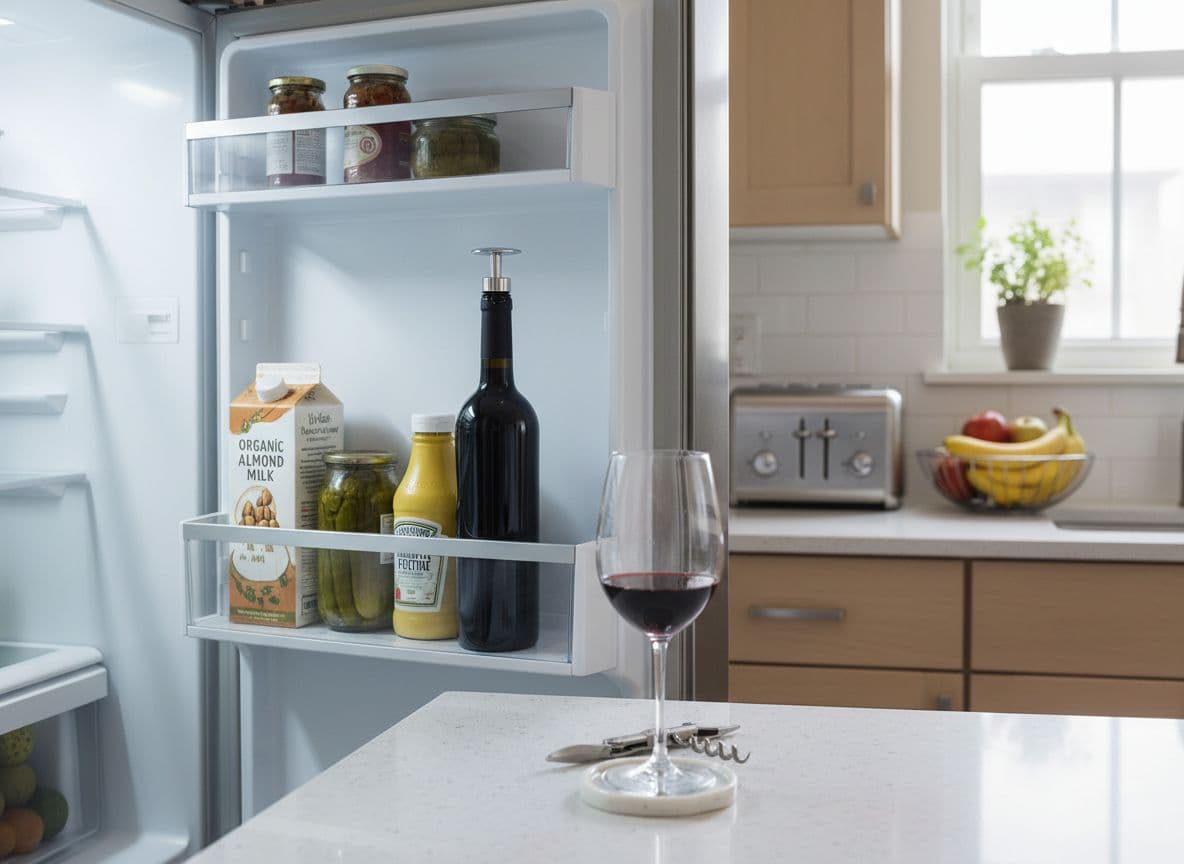
What to do right after pouring Recork it (or use a stopper) and put it in the fridge. Yes, even reds. Cold temps slow oxidation.
How long it lasts (rough guide)
- Sparkling: 1 to 2 days with a sparkling stopper (it loses bubbles fast)
- Whites and rosé: 3 to 5 days
- Reds: 3 to 5 days, lighter reds often fade faster, some fuller reds hold longer
A vacuum pump can help for still wines, but it’s not magic. The biggest win is sealing the bottle well and keeping it cold. If the wine smells like bruised apples, vinegar, or wet cardboard, it’s past its best.
Build your own wine list: track favorites, explore new styles, and save money
A personal wine list beats random buying. It’s like having a map instead of wandering.
Keep notes in your phone with four quick details:
- Wine name and grape (or blend)
- Price and where you bought it
- What you ate with it
- Your simple rating (buy again, maybe, pass)
To grow your taste without spending more, try this small challenge: one new grape or region each month. Mix it with a “safe pick” so you don’t feel stuck with a full case of something you don’t like.
Money-saving habits that work:
- Ask for staff picks under a set price (like “under $18”). It keeps advice focused.
- Try lesser-known regions that often cost less than famous ones, while still tasting great.
- Look for off-vintage deals when a shop discounts older stock that’s still in good shape.
- Keep a short house-wine list of two whites, two reds, and one sparkling you know you enjoy.
Confidence comes from patterns. Once you know you like crisp whites or smooth, medium reds, buying gets easier fast.
Conclusion
Wine gets simple when you choose by style, not hype. Pick bottles based on sweetness, body, and oak, taste them with a quick smell and sip routine, and pair food by balance instead of strict rules. Store open bottles with a tight seal and cold temps so flavor lasts, and keep a short list of favorites to protect your budget.
Try one new bottle this week, write down what you liked and what you didn’t, and build from there. Share your favorite wine style or your best pairing, it might help someone else find their next go-to.