Wine Guide for Beginners: How to Choose, Taste, and Pair Wine With Confidence

Wine can feel weirdly complicated at first. Labels are packed with place names you can’t pronounce, menus toss around terms like “tannins,” and prices jump from $12 to $120 without warning. If you’ve ever stood in front of a wall of bottles thinking, “I just want something good,” you’re not alone.
This wine guide for beginners keeps it simple. You’ll learn the main wine types (red, white, rosé, sparkling, dessert, and fortified), what they usually taste like, and how to pick a bottle without stress. You’ll also get an easy way to taste wine so you notice more, plus beginner-friendly food pairings for meals you actually eat.
One more thing up front, taste is personal. The “best” wine is the one you like.
Wine basics beginners should know (without the jargon)
Most of what you need comes down to a few building blocks: sweetness, acidity, tannin, body, and alcohol. Think of wine like a playlist. Two songs can share a genre, but feel totally different. Wine works the same way, even within the same grape.
A quick label tip: the grape name (like Pinot Noir) tells you the general vibe, the region (like Sonoma) hints at style, and the alcohol percent gives you a clue about weight and ripeness. That’s enough to get started.
The main wine styles, and what they usually taste like
Red wine
Often tastes like berries, cherries, plums, cocoa, or spice. Body can run light to full. Many people drink reds with dinner or on cooler nights. Reds change a lot with temperature, too warm can taste “boozy,” too cold can taste tight.
White wine
Common flavors include citrus, apple, pear, stone fruit, and flowers. Whites can be crisp and light or round and rich. They’re popular for weeknights, seafood, salads, and warm weather.
Rosé
Usually tastes like strawberry, melon, citrus peel, or rose petals. Most rosé is dry, even if it smells fruity. It’s easy to drink and flexible with food, especially salty snacks and grilled dishes.
Sparkling wine
Bubbles bring lift and a “snap” on the tongue. Flavors can be apple, lemon, toast, or almond, depending on the style. Great for celebrations, but also great with fries, fried chicken, and chips.
Dessert wine
Sweeter by design, with flavors like honey, apricot, caramel, or dried fruit. People often drink it after dinner, in smaller pours. It pairs best with desserts that are less sweet than the wine.
Fortified wine (like Port or Sherry)
These wines have added spirit, so alcohol is higher. They can be dry or sweet and often taste nutty, raisiny, or spiced. They’re classic after dinner, but some dry styles work with savory snacks.
One helpful reset: sweetness isn’t the same as fruitiness. A dry wine can smell like ripe peach and still have almost no sugar.

Simple tasting map: sweetness, acidity, tannin, body, and alcohol
- Sweetness: how much sugar you taste. Dry wines taste more like fruit skin and citrus than candy.
- Acidity: the mouthwatering, zippy feeling (like a squeeze of lemon).
- Tannin: a drying, grippy feel (like strong black tea). Mostly in reds.
- Body: the “weight” of the wine, like skim milk versus whole milk.
- Alcohol: a warming feel in the throat, higher alcohol often tastes bigger.
Quick fixes if something bugs you:
Too tannic? Try a lower-tannin red like Pinot Noir or a red served a bit cooler. Too acidic? Try a rounder white like Chardonnay (often softer) or pair the wine with richer food.
How to choose a good bottle as a beginner
Picking wine gets easier when you stop trying to find “the best” and start trying to find “the right fit.” You’re choosing a drink for a moment: Tuesday pasta, a holiday toast, or a gift that won’t flop.
You don’t need a perfect choice. You need a repeatable method.
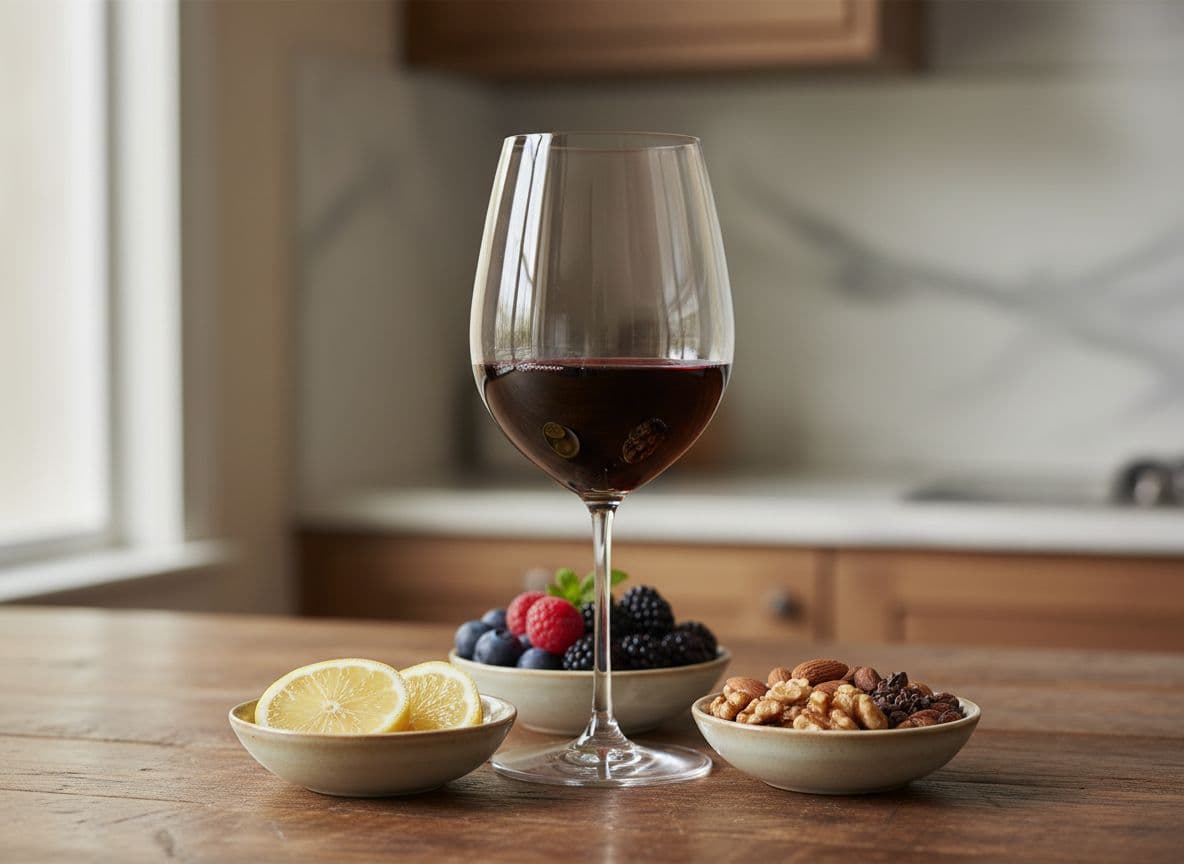
Use this 60-second checklist in the wine aisle
- Pick a style: red, white, rosé, sparkling. Start with the food or the mood.
- Choose a grape or region you recognize: it’s a simple anchor when shelves feel endless.
- Look for dryness or sweetness clues: words like “dry,” “brut,” or “sec” mean drier, while “late harvest” often means sweeter.
- Check alcohol percent: lighter wines are often around 11 to 13%, bigger wines often sit around 13.5 to 15%.
- Set a price range: for learning, it’s smart to buy two bottles in the same budget and compare.
Vintage (the year) can change taste, but newer isn’t always better. Some wines are made to drink young, others improve with time. As a beginner, don’t overthink it.
Beginner-friendly wines to try first (with easy swaps)
These are approachable picks you’ll see almost anywhere:
- Pinot Noir: lighter red, cherry, soft spice. If you like it, try Gamay or a lighter Grenache.
- Merlot: smooth red, plum, cocoa. If you like it, try Malbec or a mellow Cabernet blend.
- Grenache blends: juicy red fruit, easy texture. If you like it, try Zinfandel (riper) or Tempranillo (more savory).
- Sauvignon Blanc: crisp, citrus, green fruit. If you like it, try Albariño or dry Verdejo.
- Pinot Grigio: light, clean, simple. If you like it, try dry Riesling or Grüner Veltliner.
- Chardonnay (unoaked if possible): apple, lemon, softer edges. If you like it, try Chenin Blanc or white Burgundy-style Chardonnay.
If you want sweeter wine, you’re not “wrong,” you’re just choosing a style. Start with off-dry Riesling (fresh, not syrupy) or Moscato (light, floral).
Taste wine like a pro at home (even with a basic glass)
You don’t need fancy stemware or perfect lighting. What matters is paying attention the same way each time. After a few bottles, patterns show up. You’ll learn what you like faster than you think.
If you can, taste two wines side by side once in a while. Contrast is a great teacher.
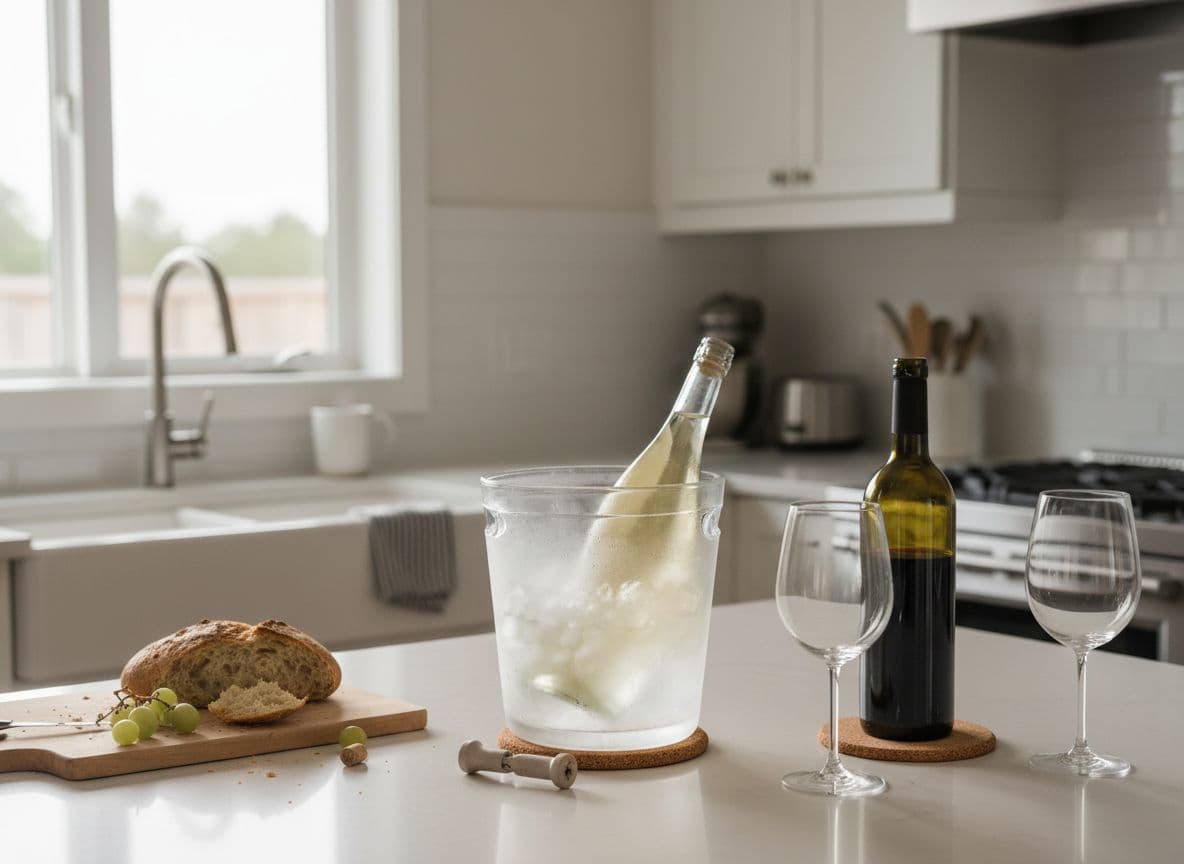
A beginner tasting routine: look, smell, sip, and compare
Look: Tilt the glass. Is the color pale or deep? Reds get lighter at the rim as they age.
Smell: Swirl if you want, then take two short sniffs. Fruit, flowers, herbs, spice, or something else?
Sip: Take a small sip and let it coat your mouth. Notice if it’s crisp or soft, and if it dries your gums.
Compare: Ask, how long does the flavor last after you swallow?
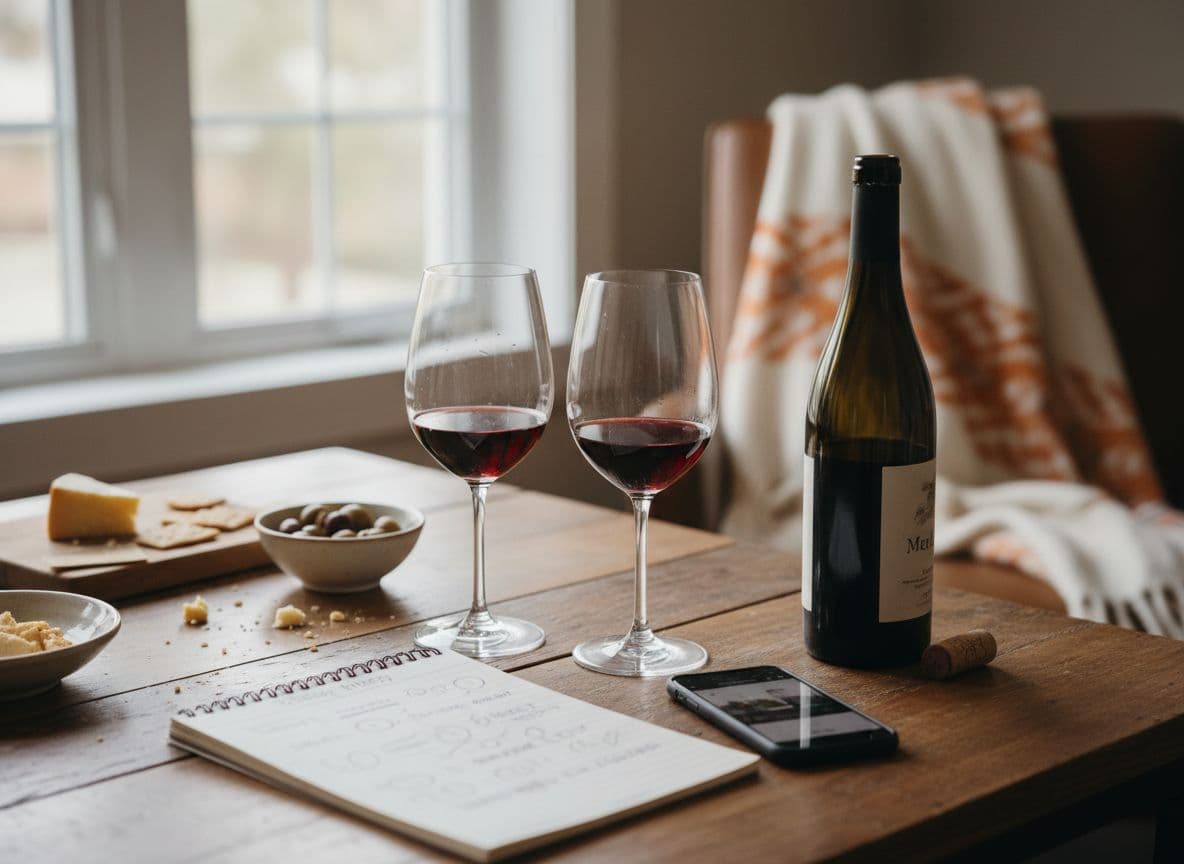
A simple note format (use your phone):
Sweetness, acidity, tannin, body, main flavors, would I buy again?
Serving, storing, and common mistakes to avoid
Temperature matters more than most people think. Whites taste best chilled but not icy (about 45 to 55°F). Reds often improve slightly cool (about 55 to 65°F). Sparkling is best colder (about 38 to 45°F).
Quick chill: 15 minutes in the freezer, or an ice bucket with water and salt. Decanting helps some big reds taste smoother, but it’s optional.
Opened wine lasts longer than people expect. Re-cork and refrigerate: most whites and rosés stay solid for 3 to 5 days, many reds for 2 to 4 days, sparkling for 1 to 2 days with a stopper.
Screwcaps are fine. Expensive doesn’t always mean better. And “corked” wine (cork taint) smells like wet cardboard, it’s a flaw, not a taste you should get used to.
Easy wine and food pairing rules for beginners
Pairing doesn’t have to be perfect to be good. Aim for harmony, then adjust next time. If a wine tastes “off” with food, try a bite of bread, a sip of water, or switch to a different dish. Sometimes the sauce is the real boss.
Simple pairing rules that work almost every time
- Match intensity: light wine with light food, rich wine with rich food.
- Acid loves fat: crisp wines cut through creamy or fried foods.
- Sweet helps heat: a touch of sweetness calms spicy dishes.
- Big tannin and big spice clash: it can taste harsh and hot.
- Think sauce first: tomato sauce drives a pairing more than chicken does.
Quick pairings for weeknight foods (pizza, tacos, pasta, chicken, salmon)
- Pizza: Sangiovese (Chianti-style) or a Grenache blend, both handle tomato and cheese well.
- Tacos: fruit-forward red like Grenache or a crisp Sauvignon Blanc for lime and salsa.
- Pasta: creamy sauce with Chardonnay, tomato sauce with Sangiovese or Barbera.
- Roast chicken: Pinot Noir or Chardonnay, both match herbs and browned skin.
- Salmon: Pinot Noir or dry rosé, they fit the richer fish without overpowering it.
- Budget-friendly “goes with lots” option: Cava (sparkling), great with salty, crispy foods.
Conclusion
Wine gets easier when you use a simple plan: learn the main styles, shop with the aisle checklist, taste with the quick map, then keep pairings basic. Pick one style this week and try two bottles side by side, even if they’re both affordable. Write a few notes, trust your taste, and let your preferences lead the way.