
Food and Wine Pairing for Real Life (Easy Rules, No Stress)
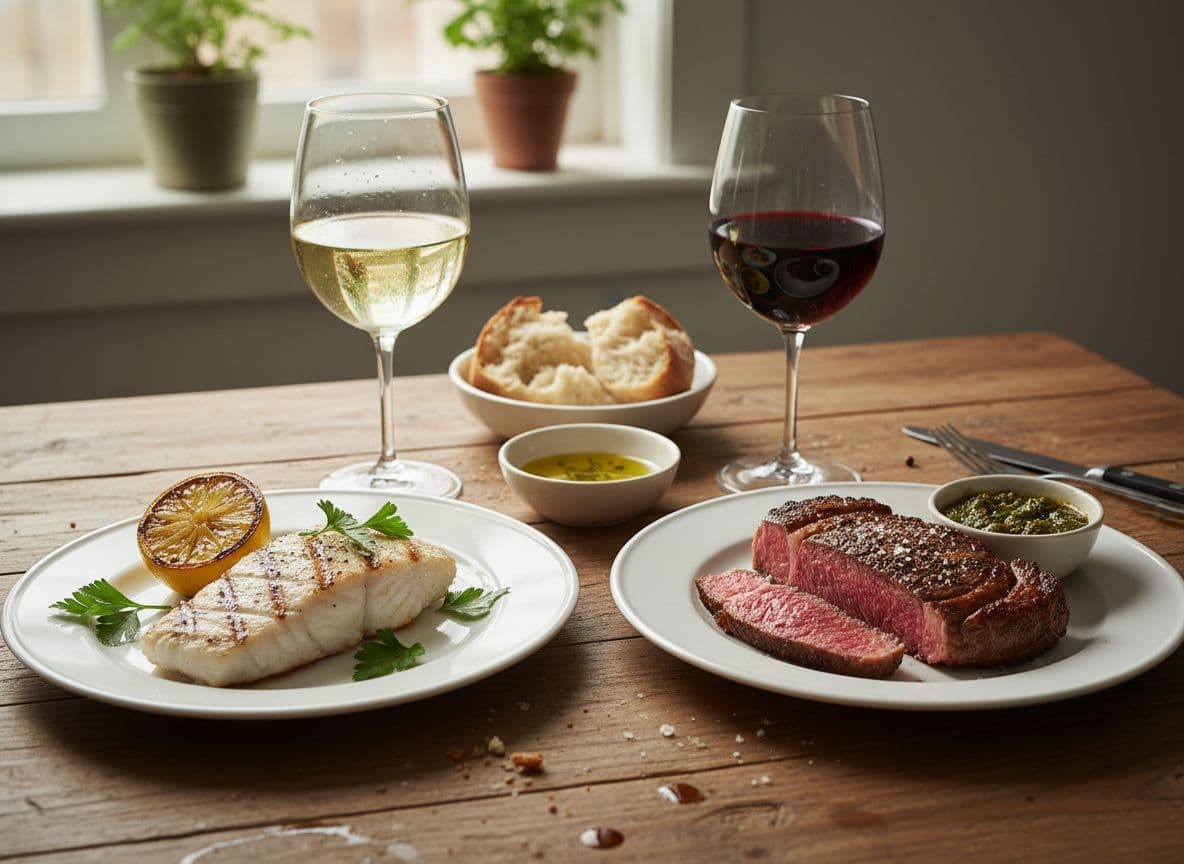
Food and wine belong together for the same reason a song fits a mood. Flavor, smell, texture, and even temperature all stack up into one experience. When the match is right, the food tastes brighter and the wine tastes smoother, like each one is filling in the other’s gaps.
This guide keeps it simple for beginners and curious home cooks. You’ll learn easy pairing rules you can remember at the table, common mistakes that make wine taste “off,” and a few go-to pairings you can use tonight without overthinking it.
How Food and Wine Pairing Works (Simple Rules That Actually Help)
A good food and wine pairing usually does one of two things: it matches flavors (butter with buttery wine), or it contrasts them (crisp wine with fried food). The goal isn’t perfection. It’s balance.
Here’s a quick mental checklist you can run in five seconds:
- Is the dish light or rich (weight)?
- Is it acidic (lemon, vinegar, tomato)?
- Is it sweet (glaze, BBQ sauce, sweet chili)?
- Is it spicy (heat level, hot sauce)?
- Is it salty (cheese, cured meat, soy sauce)?
- Is there lots of protein or fat (steak, cream sauce)?
Two terms worth knowing:
- Acidity: the mouth-watering, tart snap that makes food feel fresher.
- Tannins: that drying feeling from some red wines, like strong tea.
Match the “weight” of the dish with the wine
Think of weight as how heavy the food feels. Light dishes do better with lighter wines. Rich dishes need a wine that can keep up.
Easy examples that work:
- Salad or veggie bowls: Sauvignon Blanc, dry rosé, or Prosecco.
- White fish: Sauvignon Blanc, Pinot Grigio, or Champagne.
- Roast chicken: Chardonnay (not too oaky) or Pinot Noir.
- Steak: Cabernet Sauvignon or Syrah.
- Creamy pasta: Chardonnay, sparkling wine, or a light red like Pinot Noir.
A heavy dish can make a light wine taste thin or sour. A big red can bury a delicate fish. If you only remember one rule, remember weight.
Use acidity, sweetness, and tannins to balance the bite
These three “tools” fix most pairing problems.
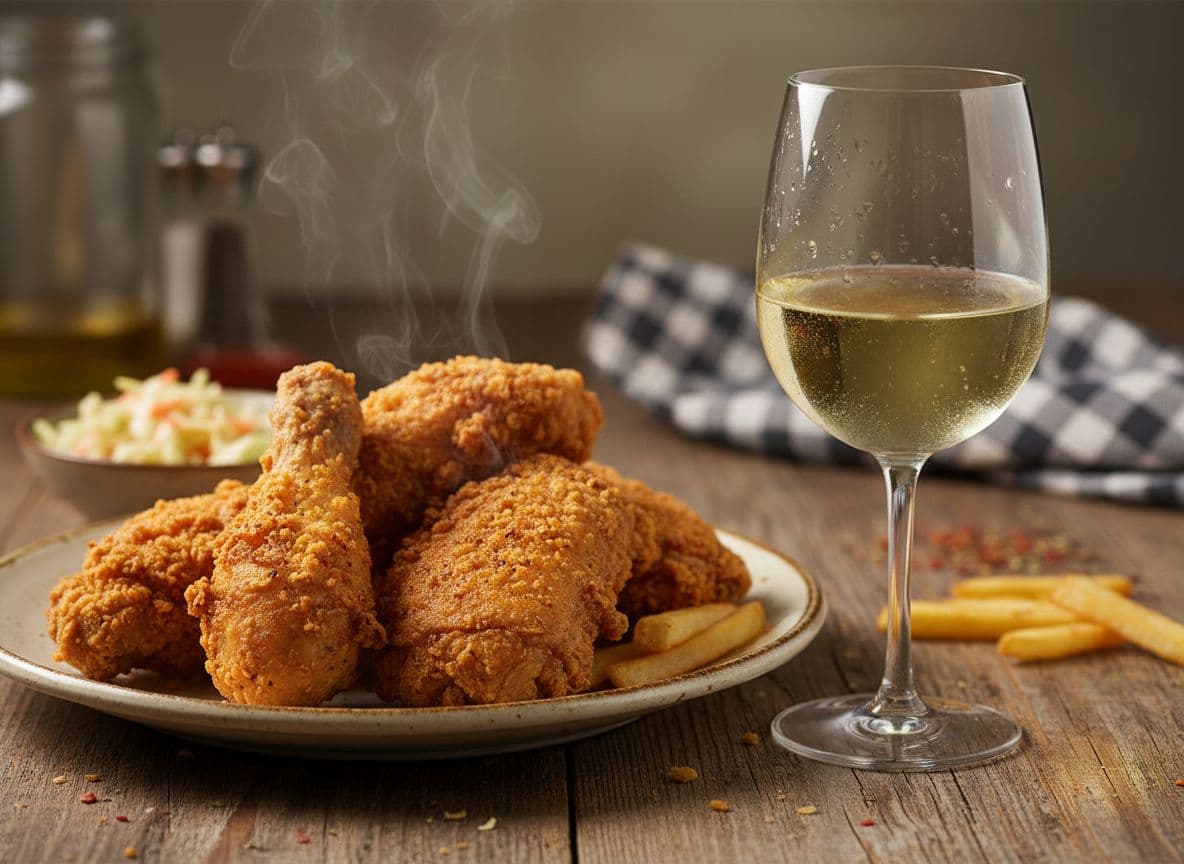
Acidity cuts fat: High-acid wines make rich foods feel less greasy. Try Sauvignon Blanc with fried chicken or a bright Italian red (like Chianti) with tomato sauce.
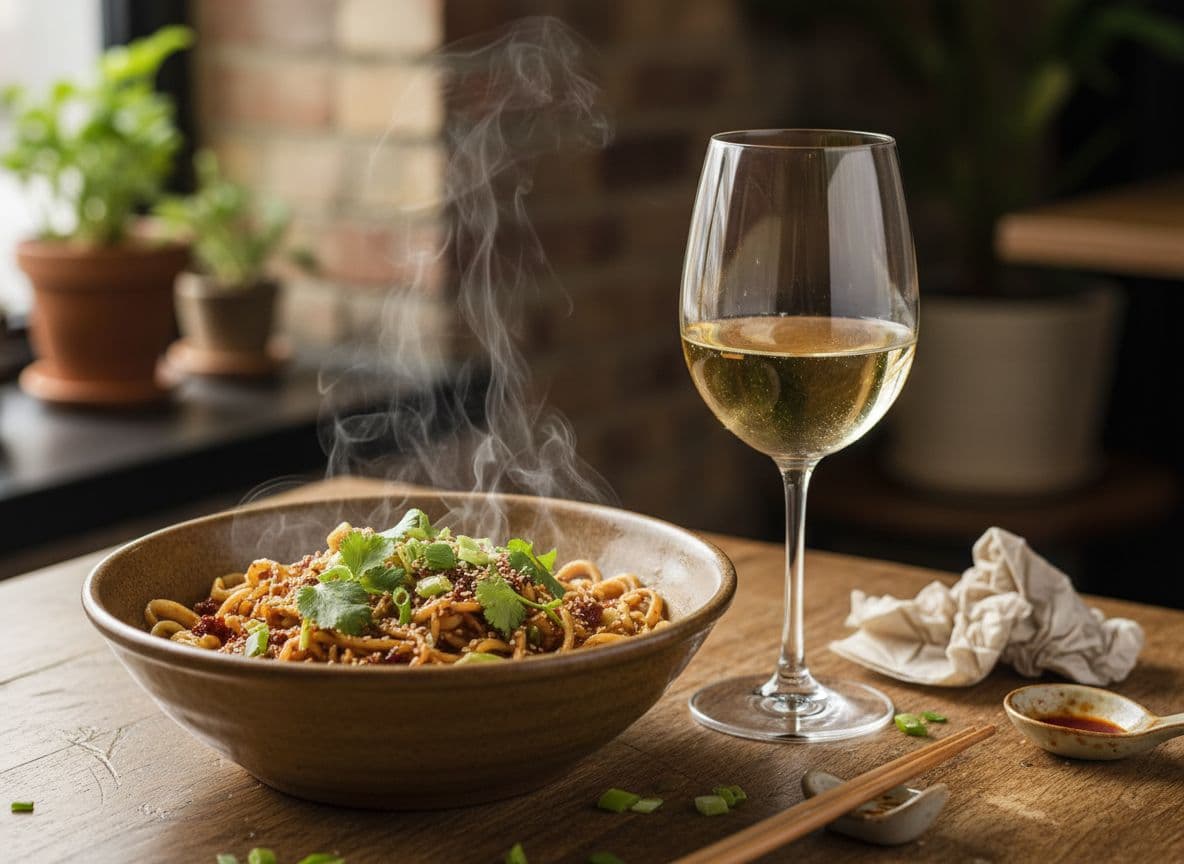
Sweetness cools heat: A touch of sugar calms spicy food. Off-dry Riesling with spicy noodles is a classic for a reason.
Tannins love protein: Tannins soften when they hit meat and fat. Cabernet Sauvignon with a burger often tastes smoother than Cabernet on its own.
Best Food and Wine Pairings You Can Count On
You don’t need rare bottles to get a great match. These are popular, widely available wines that fit everyday meals. Each pairing includes a backup option so you’re not stuck.
Classic pairings for weeknight dinners (chicken, pasta, pizza, tacos)
Weeknight food is where pairing helps most because it turns the usual into something that feels planned.
- Chicken (roasted or grilled): Pinot Noir (why it works: light tannins, good with herbs). Fallback: dry rosé.
- Creamy pasta (Alfredo, carbonara): Chardonnay (why it works: texture meets texture). Fallback: sparkling wine, it scrubs the palate clean.
- Tomato-based pasta: Sangiovese-style reds or Pinot Noir (why it works: acidity matches acidity). Fallback: Sauvignon Blanc if you prefer white.
- Pizza: Pinot Noir or a medium red with good acidity (why it works: tomato, cheese, and crust love balance). Fallback: chilled rosé.
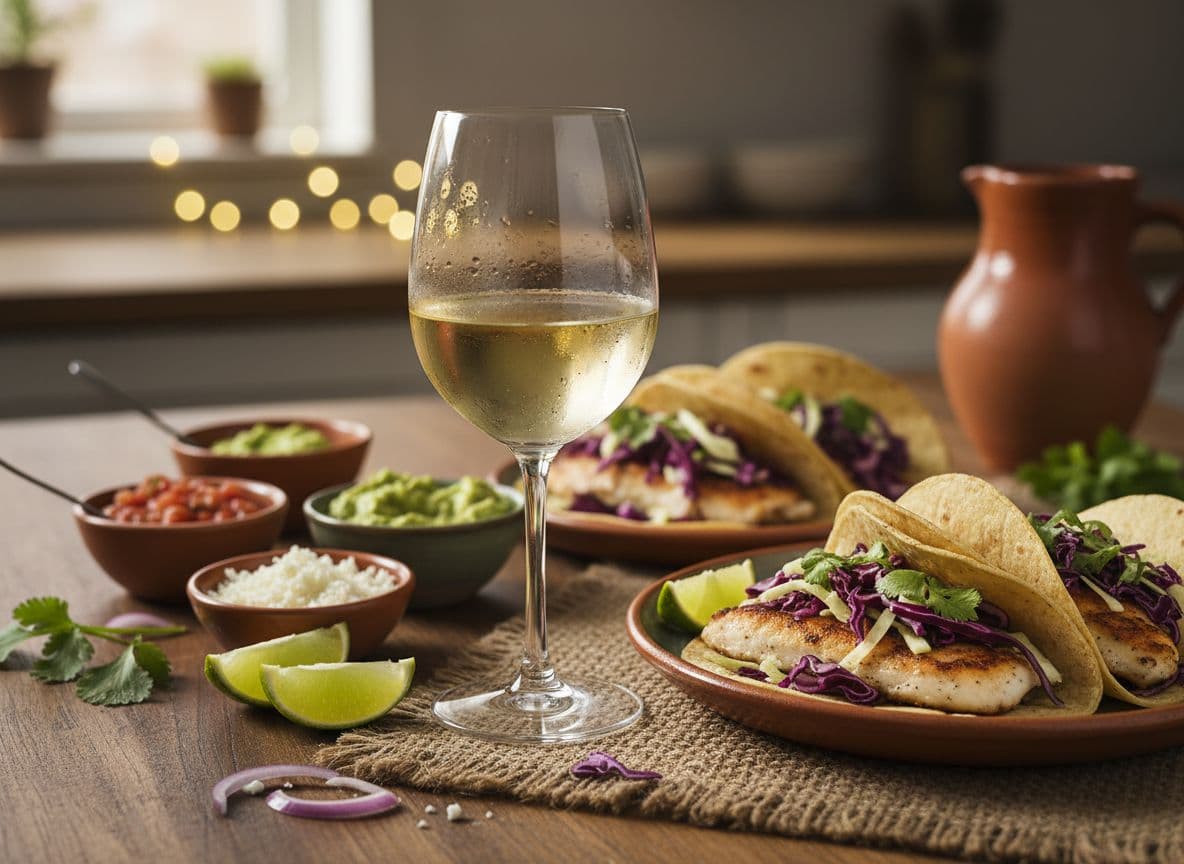
- Tacos: Let the toppings lead. Fish tacos with lime want Sauvignon Blanc; carne asada likes a lighter red like Pinot Noir. Fallback: Prosecco with almost any taco if the heat isn’t extreme.
Spice level matters more than the tortilla. A mild taco can handle more wine options than one loaded with hot sauce.
Seafood, sushi, and salads without the guesswork
With seafood and greens, the sauce usually matters more than the protein.
- Lemon and herbs: Sauvignon Blanc or Champagne (the citrus notes click).
- Vinegar-forward dressings: high-acid whites like Sauvignon Blanc, or dry sparkling (they don’t get bullied by the tang).
- Soy sauce and sushi: sparkling wine, dry Riesling, or Pinot Noir served slightly cool (they handle salt without tasting metallic).
A simple default that rarely disappoints is sparkling wine. Bubbles play well with briny seafood, crunchy greens, and salty sauces.
Steak, burgers, and BBQ that need a bolder bottle
Char and smoke change everything. Grilling adds bitter edges and deep flavors, so wines with more body hold up better.
- Steak: Cabernet Sauvignon (why it works: tannins and protein calm each other down). Fallback: Syrah.
- Burgers: Cabernet Sauvignon or Pinot Noir if it’s a lighter burger (why it works: fat and char need structure). Fallback: robust rosé.
- BBQ (sweet sauce): Zinfandel-style reds or a fruit-forward red blend (why it works: fruit meets sweetness). Fallback: off-dry Riesling if the sauce is very sweet.
- BBQ (vinegar-based): high-acid reds or dry rosé (why it works: acid matches acid). Fallback: Sauvignon Blanc.
If the BBQ is spicy, avoid high-alcohol reds. Heat plus alcohol can taste harsher than you expect.
Cheese, snacks, and simple boards (the easiest win)
A snack board is the easiest way to feel confident fast because you can test small bites.
A mini map that works:
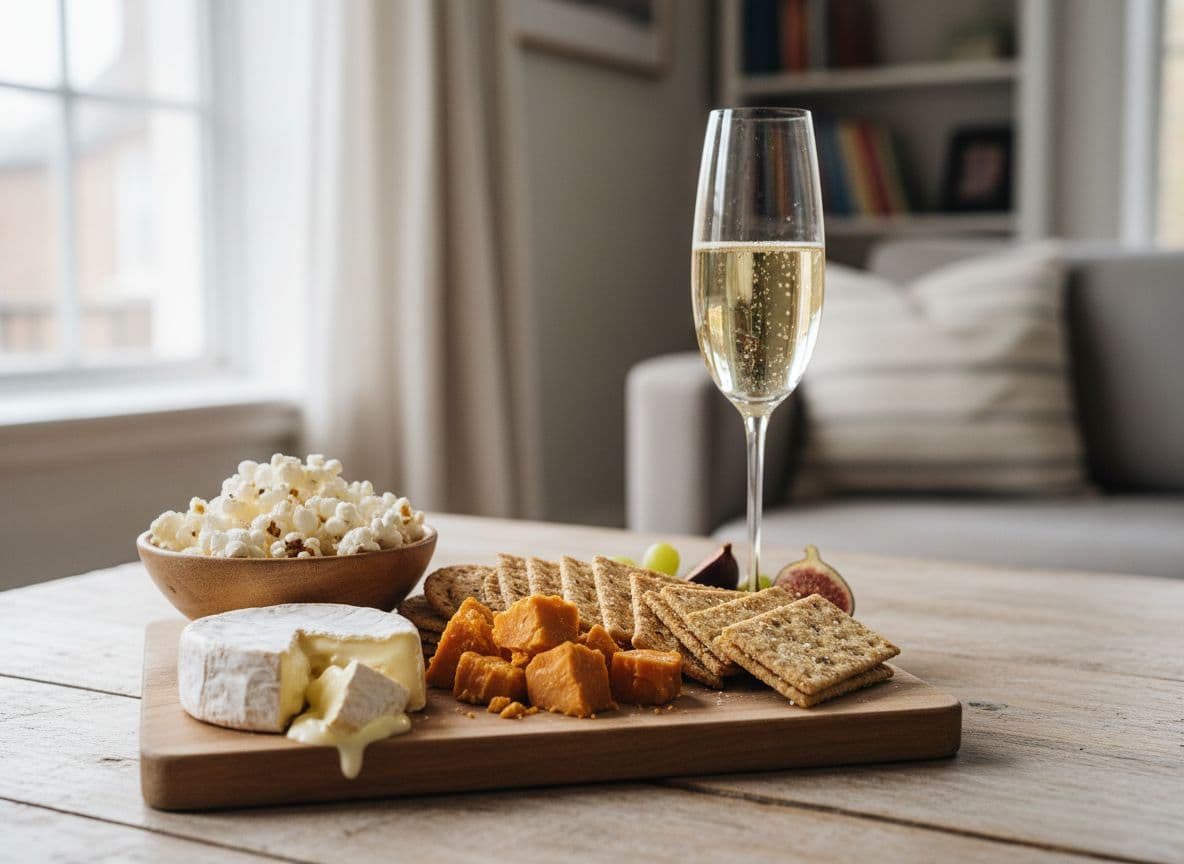
- Soft cheese (brie, goat cheese): sparkling wine or Sauvignon Blanc.
- Aged cheese (cheddar, gouda): Cabernet Sauvignon or Pinot Noir.
- Salty snacks (chips, popcorn): Champagne or Prosecco.
- Nuts: richer whites like Chardonnay, or oxidative styles (when you see “nutty” notes on a label, it’s often a good sign).
A quick party pairing formula: one bubbly bottle, one dry rosé, and a mix of salty, creamy, and crunchy snacks.
Wine with Spicy, Sweet, and Hard-to-Pair Foods
Some foods fight wine. Heat, bitterness, and strong green flavors can make wine taste sharp or flat. There’s no perfect pairing, just smarter choices that make the meal taste better.
Spicy food: why “less alcohol, more chill” tastes better
High alcohol can make spicy food feel hotter, almost like it turns the volume up. That’s why bold reds can struggle with Thai curry or hot wings.
Better options:
- Off-dry Riesling (a little sweetness helps)
- Sparkling wine (bubbles and acidity refresh)
- Fruity, light reds served slightly cool, like Pinot Noir
Also watch spicy sauces that have sugar (sweet chili, gochujang glazes). They often want a wine with some fruit, or the wine can taste sour.
Dessert and chocolate: make the wine sweeter than the dessert
This rule saves people from the most common dessert mistake. If the dessert is sweeter than the wine, the wine can taste thin and bitter.
Simple matches:
- Berry desserts: late-harvest style whites or sweet rosé (fruit meets fruit).
- Caramel or vanilla: port-style wines (the toffee notes line up).
- Dark chocolate: port-style wines or rich reds with ripe fruit.
- Ice cream: sweet sparkling or a dessert wine with bright acidity.
If you don’t drink sweet wine often, start with a small pour. Dessert wine is meant to be sipped, not chugged.
Vegetables, herbs, and bitter greens: pairing without a clash
Asparagus, kale, and arugula can make some wines taste oddly bitter. The fix is usually freshness and restraint.
- Herb-heavy dishes (basil, parsley, cilantro): Sauvignon Blanc often works because it has green, herbal notes.
- Roasted vegetables: light reds like Pinot Noir can match the browned, savory flavor.
- Steamed greens: crisp whites with good acidity tend to behave better.
Cooking method matters. Roasting adds sweetness and depth, which opens the door to more wines.
How to Choose Wine Confidently (Even on a Budget)
Choosing wine gets easier when you stop shopping by grape first and start shopping by the meal. Pick the dish, decide on weight and acidity, then choose red, white, rosé, or sparkling.
A 60-second wine shopping plan for any meal
- Name the main dish and the sauce (cream, tomato, citrus, spicy, sweet).
- Decide the weight (light, medium, rich).
- Pick a style: crisp white, smooth red, dry rosé, or sparkling.
- If you’re unsure, buy two bottles: one crisp white and one lighter red.
Three safe picks that cover a lot of food:
- Red: Pinot Noir
- White: Sauvignon Blanc
- Sparkling: Prosecco (or any dry sparkling you like)
A simple script for the store clerk: “I’m making (dish). It’s (spicy, creamy, tomato-based). I want something under (price) that won’t overpower the food.”
Serving temperature, glassware, and leftovers (small tweaks, big payoff)
Temperature changes how wine tastes more than most people realize.
- Whites: cold but not icy, about 45 to 55°F.
- Reds: cool room temp, about 55 to 65°F.
- Sparkling: very cold, about 38 to 45°F.
Any clean glass works, but a medium-sized wine glass helps aromas build. For leftovers, re-cork and refrigerate. Most whites and reds taste best within 1 to 3 days, sparkling within 1 day. If it smells like vinegar, wet cardboard, or bruised apples, it’s past its best.
Conclusion
Food and wine pairing doesn’t need rules that feel like homework. Match the dish’s weight, use acidity to lift rich foods, choose a touch of sweetness for spice, and remember that sparkling wine is often the easiest safe bet. Try one classic pairing this week, like pizza with Pinot Noir or tacos with Sauvignon Blanc, then jot down what you liked. The more you notice, the easier it gets to pick a bottle that fits your table.