Wine Tasting Night at Home: How to Host One Everyone Enjoys
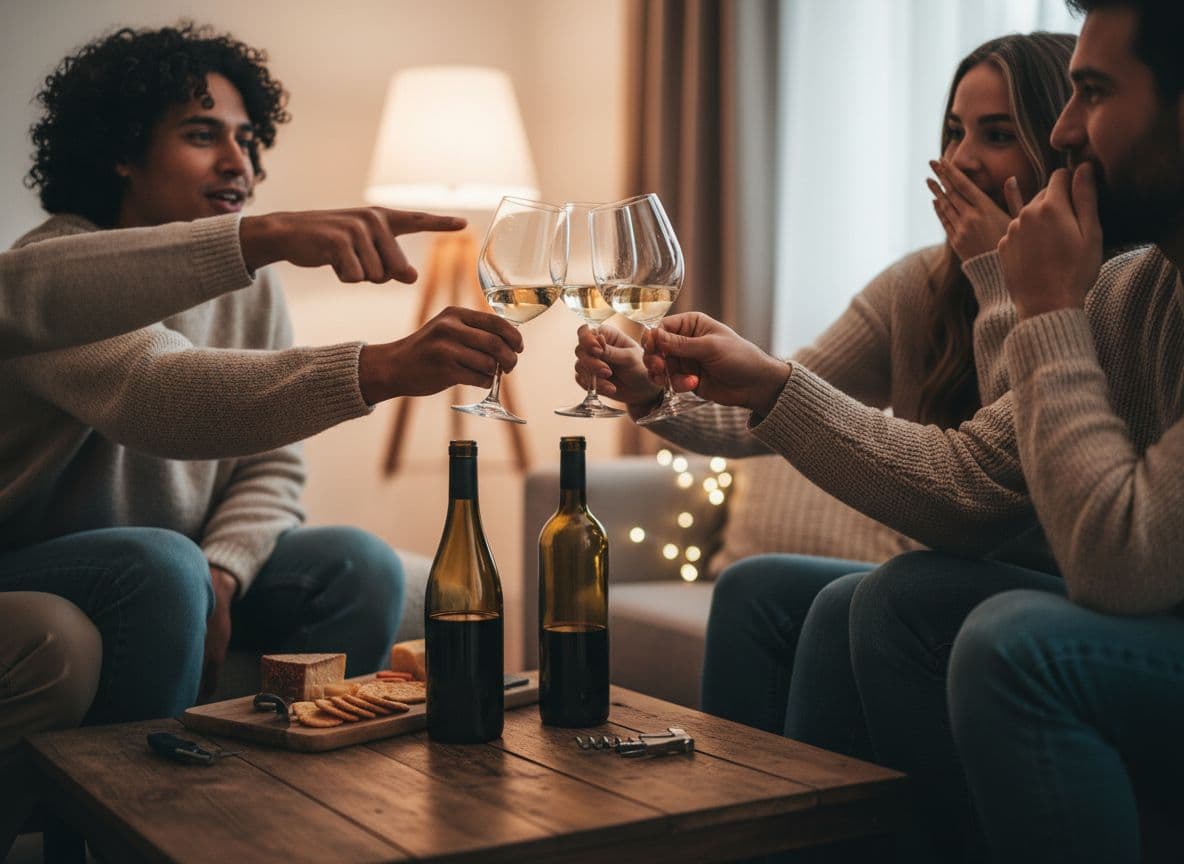
The best part is it doesn’t need to feel fancy. This isn’t about memorizing grapes or pretending you “get” tannins. It’s about trying a few bottles side by side, learning a little without pressure, and having an easy reason to gather.
This guide keeps it simple: planning, choosing a theme, setting up fast, tasting steps that work for beginners, snack pairings, and small tips that keep the whole night calm.
Plan a wine tasting night that feels easy, not fancy
A good tasting night has just enough structure to keep it moving. Too much planning can make it feel like homework.
Start with a short checklist:
- Pick a date and guest count: 4 to 10 people is the sweet spot. Smaller feels cozy, bigger can get loud and rushed.
- Set a budget: Decide a per-person amount or a total bottle budget for the host.
- Choose the format: “Bring a bottle” keeps it affordable, “host provided” keeps it consistent, a mix works great (host picks the theme bottles, guests bring snacks).
Next, decide how many wines to taste. For most groups, 3 to 6 wines is plenty. More than that, the flavors blur together and pacing gets harder.
Plan for small pours, about 2 ounces each. That’s enough to taste, compare, and still keep clear heads.
Before you shop, ask two quick things in the group chat:
- Any allergies or food limits (nuts, dairy, gluten)?
- Any strong preferences (sweet vs. dry, red vs. white)?
You don’t have to cater to everyone, but a little info prevents awkward surprises.
Choose a tasting theme guests will actually enjoy
Themes make choosing bottles easier, and they give people something to talk about besides “I like it.”
Here are themes that are easy to shop for and fun at home:
Reds vs. whites: Pick three reds and three whites, then vote for team red or team white.
Around the world: One bottle each from different countries (France, Italy, Spain, Argentina, US, Australia).
Same grape, different regions: Pinot Noir from two regions, or Sauvignon Blanc from two countries.
Under $15 wine tasting: The most useful theme of all, and it often surprises people.
Sparkling night: Prosecco, Cava, Champagne (or California sparkling), plus one rosé sparkler.
Dessert wines: Late-harvest styles, Port-style wines, Moscato, plus fruit and chocolate pairings.
Keep it easy to find. If your local store has limited options, choose a theme that doesn’t require hunting for rare bottles.
Build a wine lineup with contrast, without overthinking it
You want a lineup that changes from glass to glass. Contrast keeps the group engaged.
A simple way to plan:
- Include something light and something bold.
- Include something crisp and something rounder.
- If you’re serving a sweet wine, include at least one very dry bottle too.
A common serving order:
- Light to full-bodied
- Dry to sweet
- Sparkling can go first (as a welcome pour) or last (as a reset and celebration)
Have one backup bottle ready. Someone might love a wine, or a cork could be faulty, it happens.
Also plan one non-alcoholic option that still feels special (sparkling water with citrus, NA sparkling wine, or a good ginger ale in a wine glass). It helps pacing, and it includes everyone.
Set up the tasting table, glasses, and notes in 15 minutes
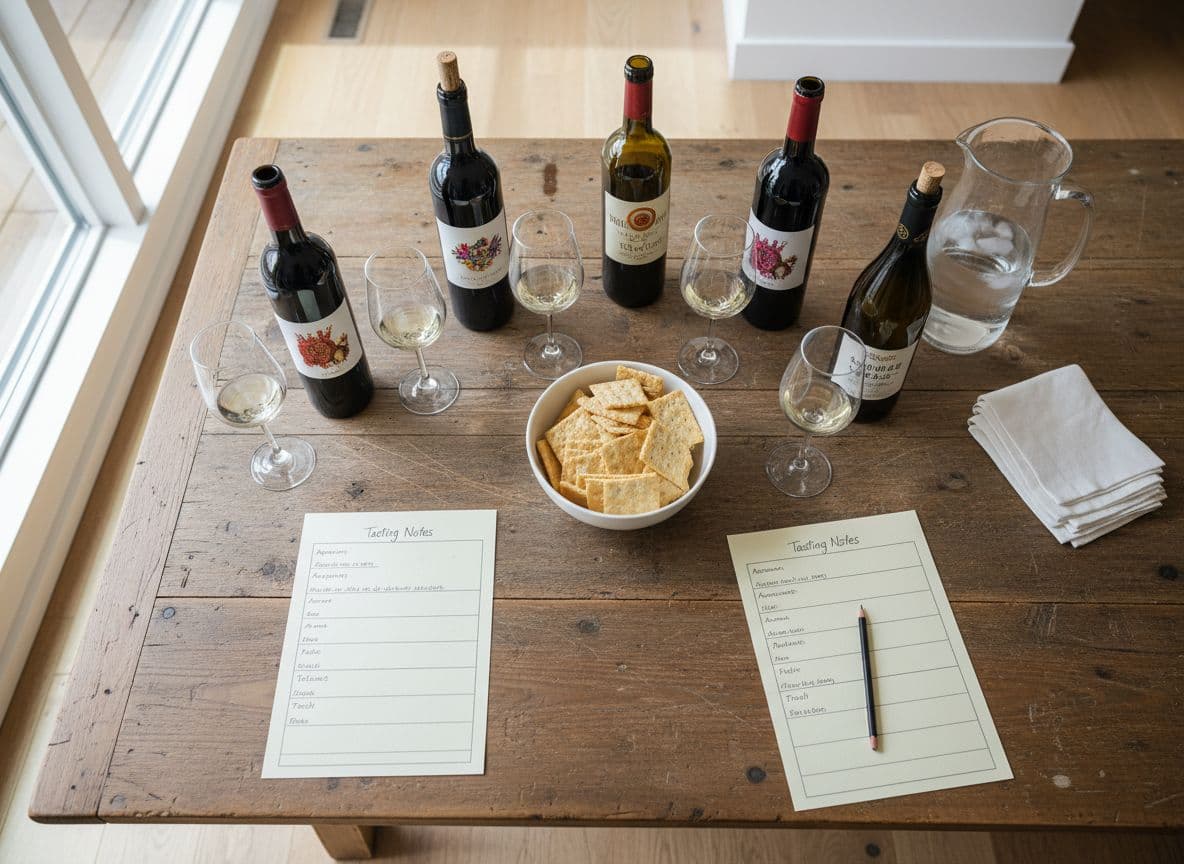
Your setup doesn’t need matching glassware and printed menus. It needs a place to pour, sip, and talk.
Set up one main table or counter space with:
- Water (a pitcher plus cups, or bottled water)
- A dump cup (one per person is great, one large one works too)
- Napkins
- Plain crackers or bread (for resetting the palate)
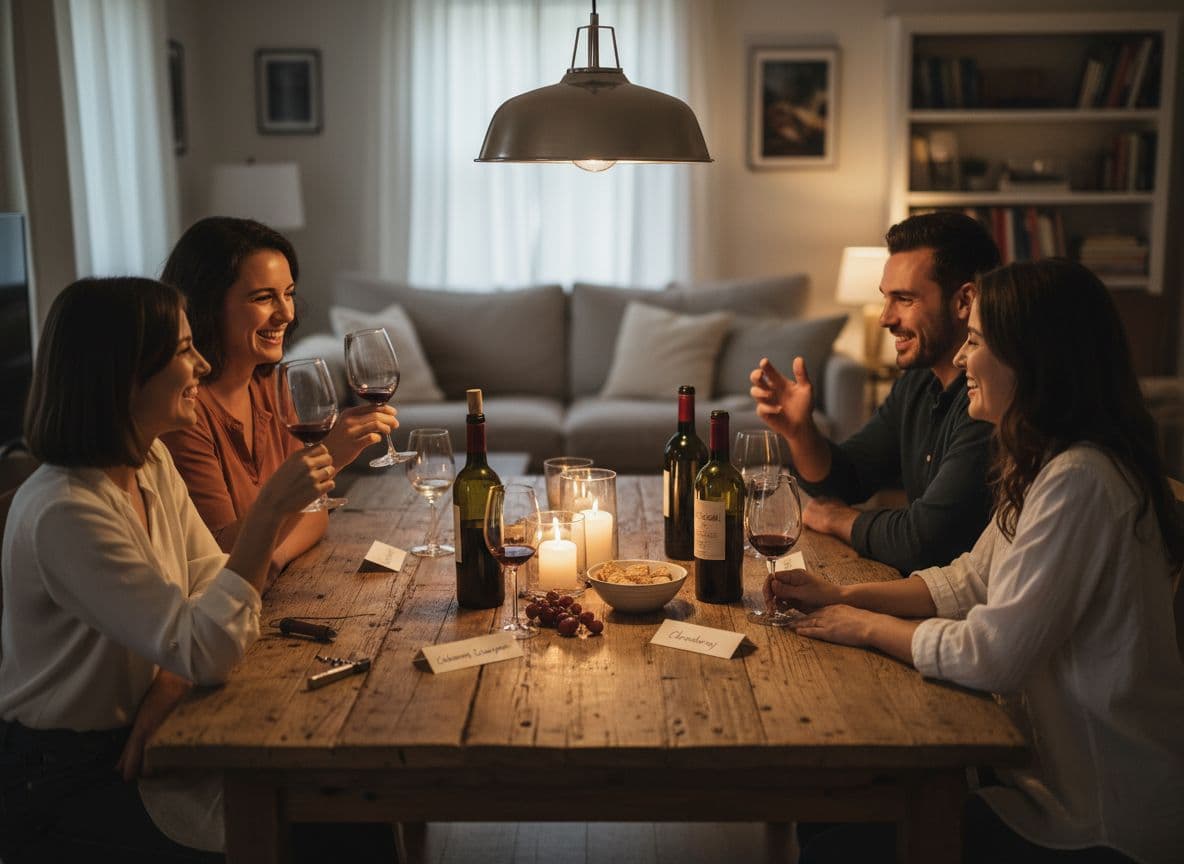
- A way to label bottles (sticky notes, painter’s tape, or tags)
Labeling matters more than people think. Without labels, you’ll get “Wait, which one was number 3?” all night.
Worried about glassware? Don’t be. These options work:
- One glass per person, with a quick rinse between wines (a small rinse bowl and water pitcher helps)
- Two glasses per person if you can, so guests can compare side by side
- If you’re short on wine glasses, small stemless glasses work fine
Budget tip: thrift stores often have extra wine glasses for cheap, and they don’t need to match.
Simple tools that make the night smoother
You don’t need gadgets, but a few basics remove friction.
Must-haves:
- Bottle opener (and a backup if yours is temperamental)
- Wine stopper (at least one)
- A small pour tool (a jigger or small measuring cup helps keep pours even)
- Ice bucket or large bowl for whites and sparkling
- A phone timer for pacing (especially if you’re serving 5 to 6 wines)
Nice-to-haves:
- A decanter for one red (or just open it early)
- Glass markers so people don’t lose their drink
- Simple tasting sheets (even blank paper works)
Serve wine at the right temperature (without special gear)
Temperature can make a wine taste flat, sharp, or overly boozy. The good news is you can fix most of it with a fridge and an ice bucket.
Easy guidelines:
- Whites and sparkling: Chill for 2 to 3 hours in the fridge.
- Reds: Most taste better slightly cool, not warm. Put reds in the fridge for 15 to 25 minutes before serving.
- Quick chill: Use an ice bucket with ice and water for 20 to 30 minutes.
Don’t freeze bottles. Besides the mess, freezing can push the cork out and dull the flavors.
If a red still tastes “hot,” chill it for 10 more minutes. If a white tastes too cold and tight, let it sit in the glass for a few minutes.
How to host a wine tasting, step by step
A tasting night runs best when guests know what’s happening next. Think of it like a casual playlist, you want a clear flow, not random tracks.
Here’s a simple hosting routine:
- Welcome drink: Sparkling water or a small pour of the first wine.
- Explain the theme: One sentence is enough. Example: “Tonight we’re trying the same grape from different places.”
- Pour small amounts: About 2 ounces per wine, then pause.
- Taste together: Give everyone a minute to look, smell, and sip.
- Snack break: After every one or two wines, let people eat and chat.
- Keep water moving: Refill glasses often, it helps everyone feel good.
- Final vote: Favorite wine, best value, and “would buy again.”
Set a gentle tone around pacing. You can say, “Small pours, lots of water, and feel free to use the dump cup.” It gives people permission to taste without pressure.
If anyone’s driving, plan it early. Encourage ride shares or a designated driver, and keep the food coming.
A beginner friendly way to taste wine (look, smell, sip, share)
Wine tasting sounds serious until you strip it down. It’s just paying attention for a minute.
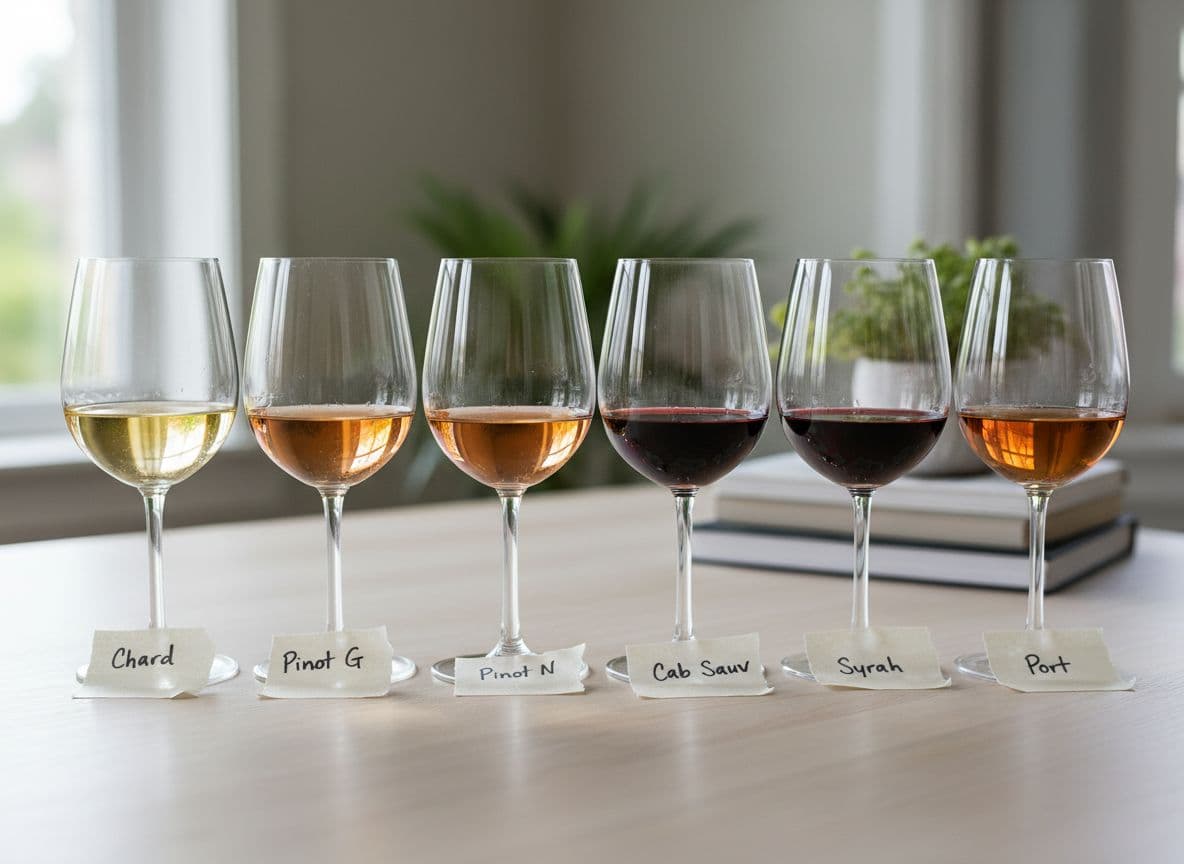
Look: Hold the glass up to light. Is it pale, deep, golden, ruby, purple? Color can hint at age and weight.
Smell: Give it a swirl if you want, then take a short sniff. First smells are often fruit, flowers, herbs, spice, or something earthy.
Sip: Take a small sip and let it move across your tongue. Notice if it feels light or heavy, dry or sweet, smooth or grippy.
Share: Say what it reminds you of, even if it’s random. That’s half the fun.
Try these easy prompts for each wine:
- “Does this taste more like fresh fruit or cooked fruit?”
- “Is it dry or sweet?”
- “Is it light or bold?”
Remind the group that there are no wrong answers. Taste is personal. One person’s “cherry” is another person’s “fruit punch,” and that’s fine.
Keep the conversation going with quick tasting questions and a scorecard
Some groups talk nonstop. Others need a little spark. A few quick questions can turn quiet sipping into a fun debate.
Use questions like:
- “What does this remind you of?”
- “Would you buy it for a weeknight?”
- “Is this better with dinner or as a glass on its own?”
- “Does it feel more like a celebration wine or a casual pour?”
A simple scorecard keeps it light:
- Rate each wine 1 to 5
- Add one note: “too sweet,” “super smooth,” “great with food,” “not my style”
- End with a favorite wine vote
People love a final reveal, even when there’s nothing to win.
Food pairings and finishing touches that make it memorable
Food keeps the night grounded. It also helps guests taste better, because wine on an empty stomach hits fast.
Keep snacks simple and not too spicy. Strong heat and heavy garlic can make wine taste harsh. Super sweet desserts can make dry wine taste sour.
Timing tip: Put food out from the start, then refresh it halfway through. That way no one’s waiting around hungry.
Ambience matters too, but it’s easy:
- Warm lighting (lamps beat bright overheads)
- A low playlist that doesn’t steal the room
- A clear spot for empty bottles and used napkins
For cleanup, set a small bin for trash and a spot for glassware. When the last wine is poured, you’ll be glad you did.
Easy snacks that pair with most wines
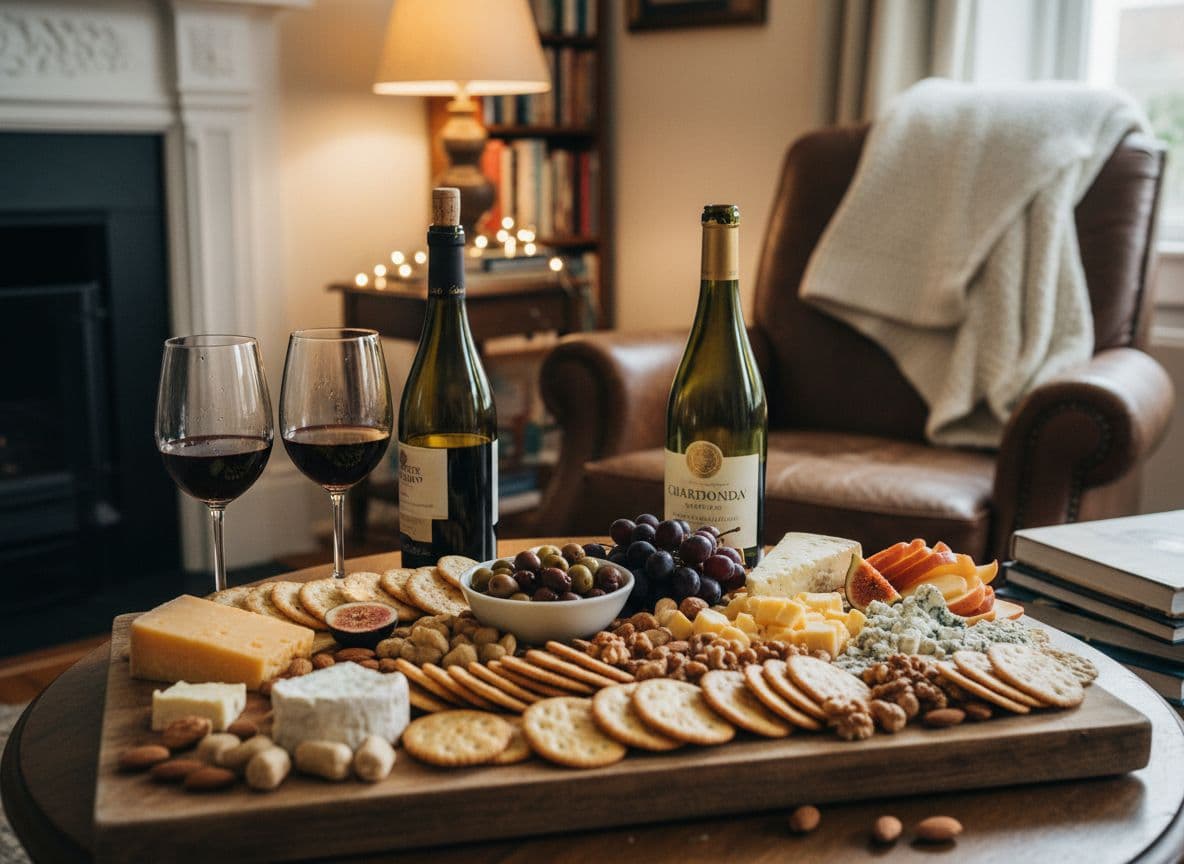
A snack board is the easiest way to cover everyone. Aim for a mix of salty, creamy, and fresh.
A practical menu:
- Cheese: one soft (brie or goat cheese) and one hard (aged cheddar or Manchego)
- Cured meats: salami or prosciutto
- Nuts: almonds or pistachios
- Olives or cornichons
- Fruit: grapes, sliced apples, or pears
- Dark chocolate (especially if you have a red or dessert wine)
- Bread or crackers (keep some plain options)
Simple pairing rules that work:
- Salty snacks love bubbly wines.
- Creamy cheese works with crisp whites.
- Bold reds like richer bites (aged cheese, meat, roasted nuts).
If you want one warm item, keep it mild, like a small dish of baked brie or roasted nuts with rosemary.
Fun add ons, party favors, and next day follow up
If your group likes games, add one playful twist. Keep it optional so it doesn’t take over.
Ideas that work at home: Blind tasting: Put bottles in paper bags, label them 1 to 5, then guess red vs. white, country, or price range.
Mystery bottle: Add one wildcard wine that doesn’t match the theme.
Small prize: A chocolate bar or mini candle for whoever picks the group favorite, or whoever guesses the mystery bottle.
For a thoughtful touch, send a next-day message with:
- The list of wines you served
- The group’s top pick
- Where you bought them (or what to ask for at the store)
Plan for safety and comfort:
- Offer water often, and keep food available.
- Encourage ride shares if anyone’s been drinking.
- If you have leftover wine, re-cork it and put it in the fridge. Most bottles taste best within a few days, sparkling wines fade faster, even with a stopper.
Conclusion
A great wine tasting night comes down to a few smart choices: pick a simple theme, serve 3 to 6 wines, set out water and snacks, and follow an easy taste-and-share routine. Keep pours small, keep the mood relaxed, and let people like what they like.
Start small if you’re new, even three bottles can feel like an event. Choose a theme for your next wine tasting night, invite a few friends, and ask everyone to bring a bottle or a snack. The best tasting notes usually show up after the second round of laughter.