
Easy Wine Guide for Casual Drinkers: Sip Smarter, Not Harder
Wine has a way of feeling a little intimidating. Between foreign names, endless styles, and fancy labels, it can seem like you need expert training just to order a bottle. But here’s the truth: wine doesn’t have to be complicated.
If you’re the kind of person who enjoys wine casually—maybe at dinner, with friends, or on a cozy night in—this easy wine guide for casual drinkers is written just for you. No jargon, no pressure, just straightforward tips to help you enjoy wine with confidence.

Why Wine Can Feel Overwhelming
The world of wine is huge. Thousands of grapes, dozens of regions, and labels packed with words that often confuse more than they explain. Many casual drinkers end up grabbing the same bottle over and over simply because it feels safe.
But here’s some good news: you don’t need to know everything. A little bit of wine knowledge goes a long way, and with the right guide, you’ll quickly feel more comfortable choosing, serving, and enjoying wine.

Step 1: Red or White? Keep It Simple
Wine begins with two big categories: red and white.
-
Red Wine – Bold, rich, and made from darker grapes. Think cherries, plums, or even chocolatey flavors. Reds often feel heavier in your mouth and pair beautifully with rich meals.
-
White Wine – Crisp, refreshing, and made from lighter grapes. Expect citrus, apple, or tropical flavors. Whites feel lighter and work great with seafood, salads, or chicken.
👉 Remember this: reds are usually bold and cozy, whites are light and refreshing.

Step 2: Know a Few Popular Varietals
You don’t need to memorize every grape. Just start with a handful of popular varietals you’ll see again and again.
Red Wines Worth Trying
-
Cabernet Sauvignon – Full-bodied, bold, and perfect with steak.
-
Merlot – Smooth, soft, and easy for beginners.
-
Pinot Noir – Lighter and fruitier, pairs with almost anything.
-
Malbec – Dark, juicy, and affordable.
White Wines Worth Trying
-
Chardonnay – Can be buttery and rich or crisp and fresh.
-
Sauvignon Blanc – Zesty, grassy, and refreshing.
-
Riesling – Can be sweet or dry, great with spicy food.
-
Pinot Grigio – Crisp, light, and crowd-pleasing.
Step 3: Sweetness and Body Explained
Two things make wine easier to understand: sweetness and body.
-
Sweetness: Dry means not sweet. Semi-sweet (or off-dry) wines are a nice middle ground. If you enjoy sweeter drinks, look for Moscato or Riesling.
-
Body: This is how heavy the wine feels. A light-bodied wine (like Pinot Grigio) feels crisp, while a full-bodied wine (like Cabernet Sauvignon) feels richer and heavier.
Think of it like coffee—some prefer light and smooth, others bold and strong.
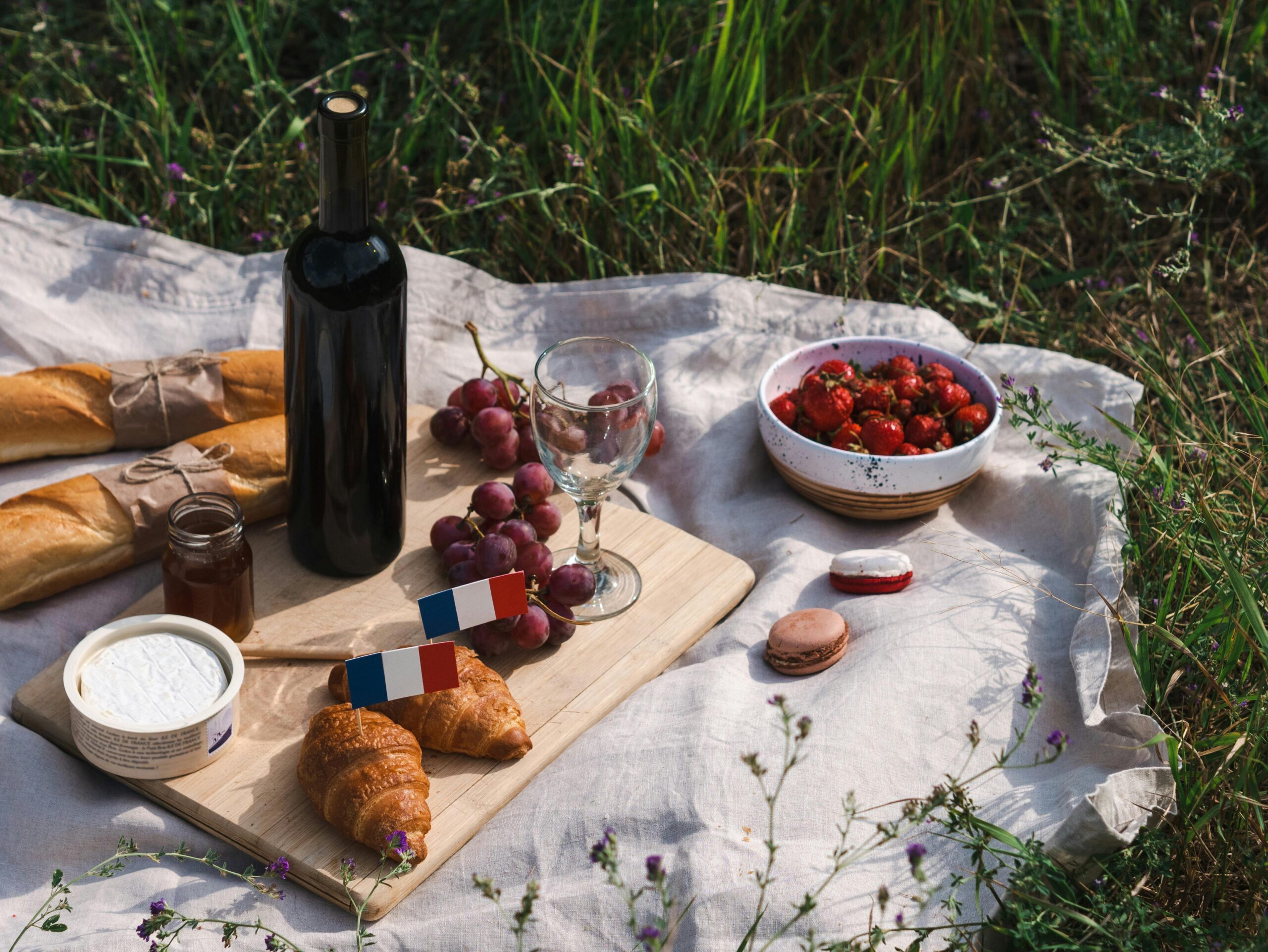
Step 4: Pairing Wine with Food (Made Simple)
Food pairings don’t have to be complicated. Just try to match the “weight” of the food with the “weight” of the wine.
-
Lighter foods (salads, seafood, chicken) → Sauvignon Blanc, Pinot Grigio
-
Heavier foods (steak, pasta, barbecue) → Cabernet Sauvignon, Malbec
-
Spicy foods (Indian, Thai, Mexican) → Riesling, Moscato
And here’s a fun tip: sparkling wine pairs with just about everything.
Step 5: Serving and Storing Without the Fuss
You don’t need a wine cellar or fancy decanters. A few basics make a big difference:
-
Temperature: Reds taste better slightly cool, not warm. Whites and rosés are best chilled.
-
Glasses: Any glass works, but bigger ones help reds breathe. Slimmer glasses keep whites crisp.
-
Leftovers: Pop in a stopper, refrigerate, and enjoy within 2–3 days.
Step 6: Experiment and Discover Your Taste
The best way to learn what you like is simply to try different wines. Take quick notes—nothing formal, just “fruity and light, liked it” or “too dry for me.” Over time, patterns will emerge, and you’ll naturally learn which styles you prefer.
Bonus: You Don’t Have to Spend a Fortune
Wine doesn’t have to be expensive to taste good. Many excellent bottles are under $15. If you’re new to wine, look for affordable options from places like Chile, Argentina, Spain, or California. You’ll often discover great quality without draining your wallet.
Final Thoughts: Relax and Enjoy
Wine shouldn’t be stressful—it should be enjoyable. This easy wine guide for casual drinkers is all about keeping things simple. Remember: reds are bold, whites are crisp, sweeter wines are beginner-friendly, and sparkling wine is a universal match.
At the end of the day, the best wine isn’t the most expensive one or the fanciest label—it’s the one you enjoy drinking. So pour yourself a glass, relax, and let wine be part of the good moments.
🍷 Want more wine inspiration? Browse our wine tips and product reviews to discover bottles, tools, and accessories that make every sip more enjoyable.