How to Taste Wine Like a Pro (Simple Steps for Beginners)
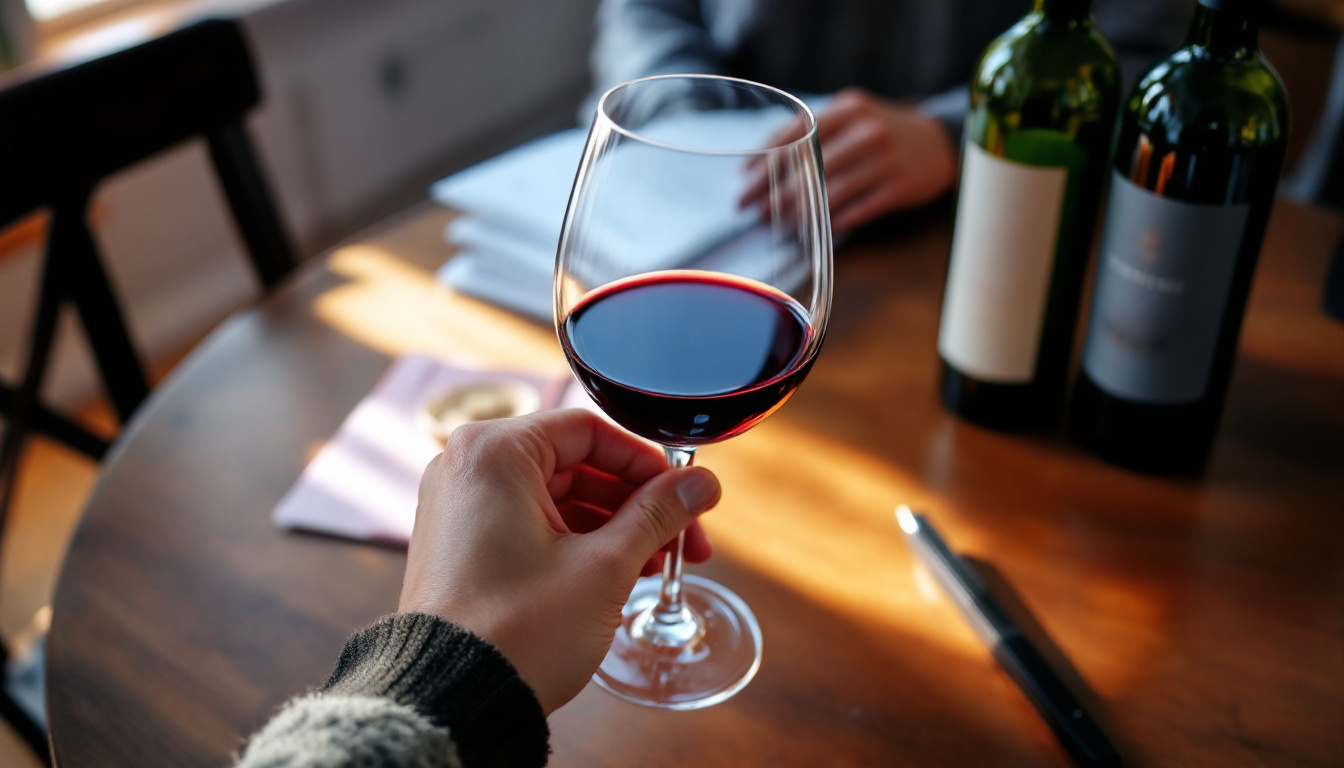
Wine tasting is a skill anyone can learn, and it’s about far more than just sipping a glass. When you know what to look for, every swirl, sniff, and taste can bring out new layers of flavor and enjoyment. Learning how to taste wine like the professionals will help you understand what you love and make picking a bottle much less overwhelming. In this guide, you’ll find clear steps and easy tips to build your confidence, enjoy wine even more, and feel ready to trust your own taste.
Setting the Scene: Preparing for Wine Tasting
Before you taste your first sip, proper setup makes all the difference. It can turn a simple glass into an experience you want to repeat. The right environment, tools, and temperatures help your senses focus and get the most out of every bottle. With a little effort upfront, you’ll be ready to enjoy wine like a pro.
Choosing the Right Glassware
When tasting, glass shape matters more than most people realize. A good wine glass does more than just hold your drink—it helps bring out aromas and lets the flavors open up.
- Red wine: Use glasses with a wide bowl. The extra space lets oxygen reach the wine, softening bold flavors and letting aromas build.
- White wine: Choose a glass with a smaller bowl. This keeps wine cooler and directs crisp scents toward your nose.
- Rosé: Stemmed glasses with a slightly wide bowl work well, balancing freshness and aroma.
Hold the glass by the stem so fingerprints and heat from your hand won’t spoil the wine.
Serving Wine at the Right Temperature
Temperature has a major effect on how wine smells and tastes. Serving wine outside its ideal range can hide flavors and dull its aroma. Here are simple temperature targets to remember:
| Wine Type | Best Serving Temperature |
|---|---|
| Red | 60-65°F (15-18°C) |
| White | 45-55°F (7-13°C) |
| Rosé | 50-55°F (10-13°C) |
Take a few minutes to chill or warm wine as needed before pouring. Even a brief stay in the fridge for whites or 10 minutes out of the fridge for reds can make a big difference.
Creating a Neutral Tasting Environment
Your surroundings can change how wine tastes. Strong scents, bold flavors, or loud noises can distract or stick to your senses, covering up what’s in your glass.
- Taste wine in a clean, quiet room with plenty of light.
- Avoid strong smells from candles, perfumes, or cleaning products.
- Sip water between tastings and skip spicy or flavored snacks that linger.
A simple setup at your kitchen table works perfectly. The goal is to let the wine speak for itself and make it easy for you to notice every detail.
With these basics in place, you’ll set yourself up for success whenever you open a new bottle.
The Four Steps of Professional Wine Tasting
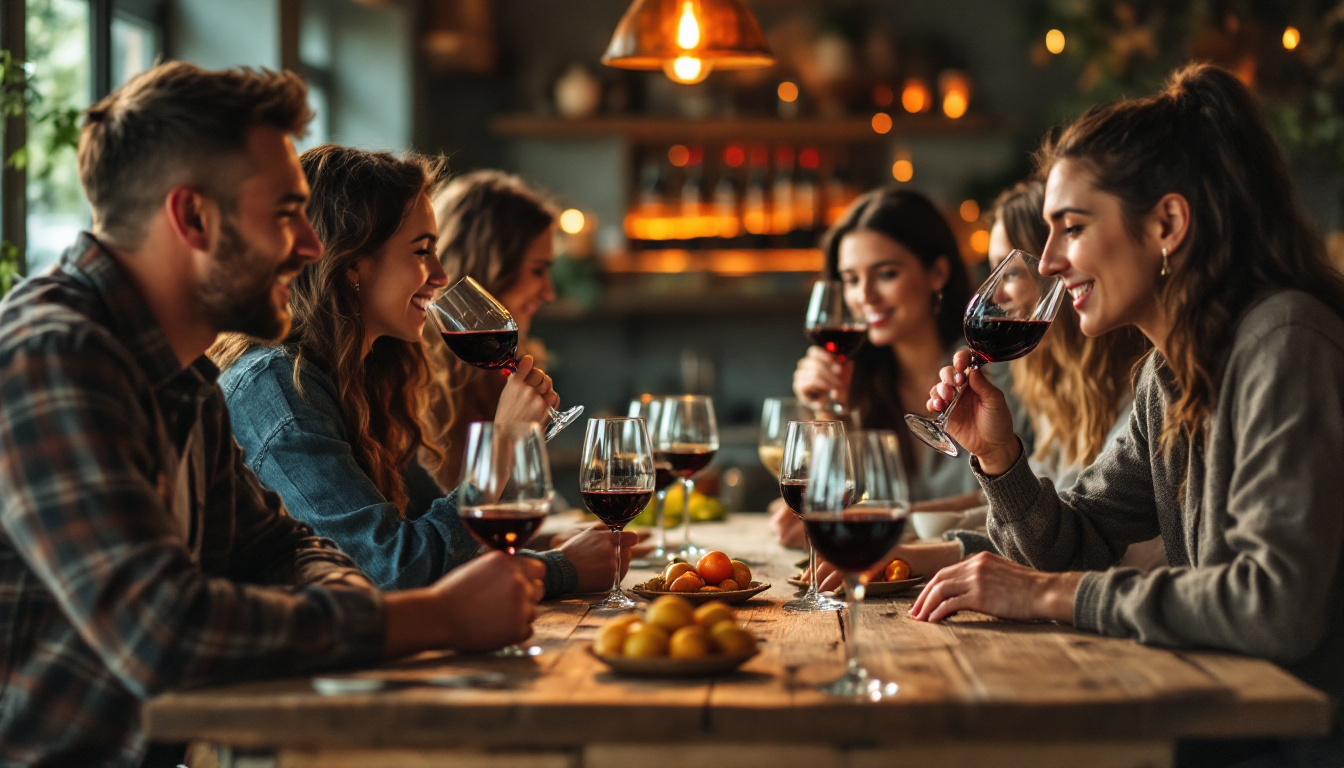
Tasting wine like a pro comes down to four simple steps: look, swirl, smell, and taste. These steps help you slow down and notice all the small details in your glass, just like the pros do. By following this process, you train your senses to spot new flavors, pick up subtle aromas, and really understand what makes each wine unique.
Step 1: Look – Checking Wine Appearance
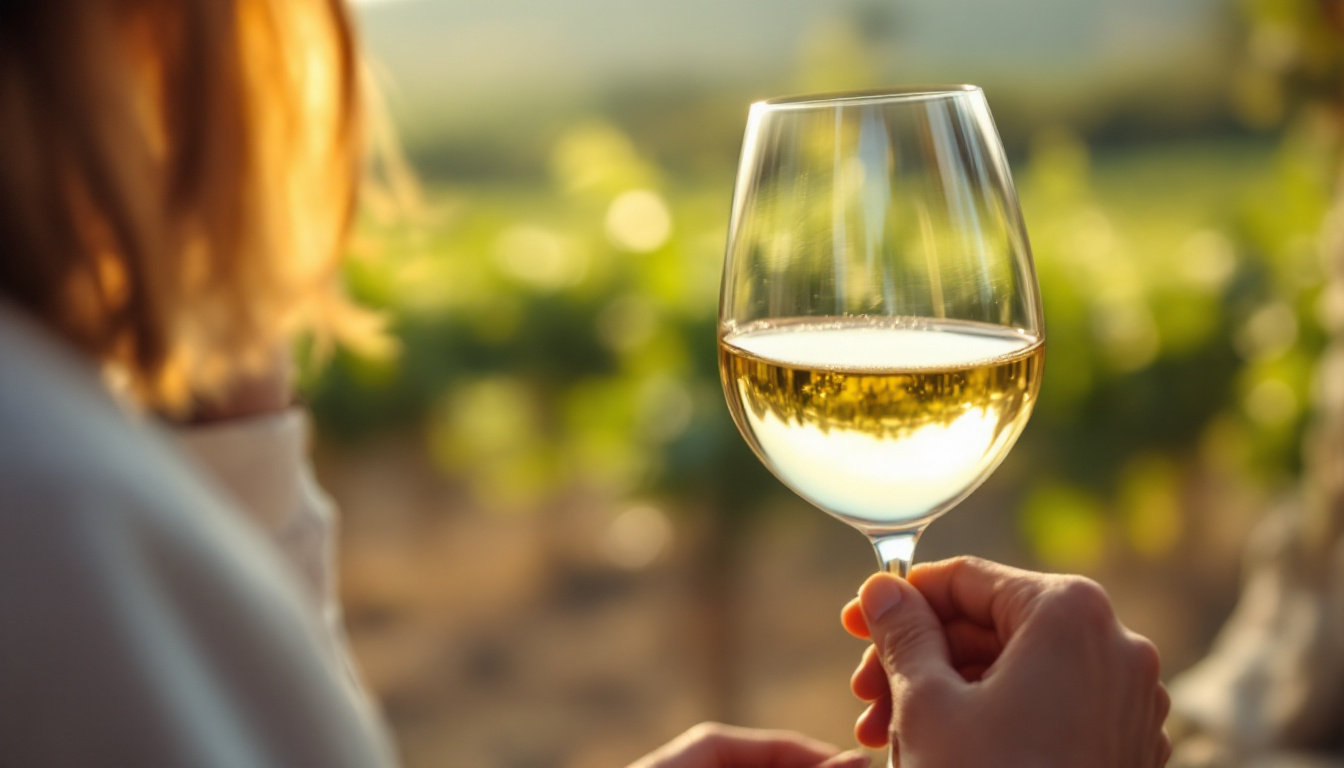
Start by holding your glass at an angle in good light. Take time to study the color, clarity, and the legs (also called tears) that form on the inside of the glass.
- Color: The color gives away a lot. Young red wines show purple or ruby shades, while older reds lean toward brick or brown. Whites start light yellow or greenish, getting darker and more golden with age. You can even make a guess about the grape type by the color. Pinot Noir often looks lighter than a deep, inky Syrah.
- Clarity: A clear, bright wine signals good winemaking and no problems. If the wine looks cloudy or has floating bits, that can mean an issue or simply natural, unfiltered wine.
- Legs: Legs are the streaks dripping down after a swirl. Slow, thick legs often hint at higher alcohol or sugar, while quick, thin legs can mean a lighter wine.
Just by looking, you already pick up clues about the wine’s age, style, and what you might taste next.
Step 2: Swirl – Releasing Aromas
Swirling seems fancy, but it serves a real purpose. Give the glass a small swirl by moving your wrist in a circle. This spreads wine up the glass, letting it mix with air.
Why swirl? Oxygen wakes up the wine, letting aromas rise to the surface. It’s like opening a window to all the hidden scents. Lighter wines often open up fast, while bigger reds can need a few extra swirls.
Swirling also lets you get another look at the legs and color. It sets up your nose for the real magic in the next step.
Step 3: Smell – Identifying Aromas
Bring the glass to your nose and take a gentle sniff. Smelling is where the real fun starts. Most of wine’s flavor comes from its scent. Try to pick out main notes first:
- Fruity: Think berries, apple, peach, or citrus.
- Floral: Look for rose, violet, or honeysuckle.
- Earthy/Spicy: You might find smells like wet soil, mushroom, black pepper, or tobacco.
It helps to compare two different wines back-to-back to spot differences. Trust your senses. If you smell fresh-cut grass or even pencil shavings, you’re not wrong. Jot down what stands out, and you’ll start to see patterns in your favorite wines.
Step 4: Taste – Savoring Flavors and Textures
Take a sip and let the wine move around your whole mouth. Try to notice three key things: flavor, texture, and finish.
- Flavors: Do you get fruit, spice, herbs, or something else? Try to name what comes to mind.
- Acidity: Does the wine make your mouth water like a bite of green apple? That’s acidity, which adds freshness.
- Sweetness: Some wines are bone dry, others have a touch of sugar.
- Tannins: Mostly in reds, tannins dry out your mouth (think strong tea). High tannins add grip and structure.
- Body: Light-bodied wines feel refreshing, while full-bodied ones feel richer, almost creamy.
Tips for describing what you taste:
- Use everyday foods and scents: cherries, lemon, vanilla, or toast.
- Notice the finish, or aftertaste. Does it linger or fade right away?
- Say what you like or dislike. There’s no wrong answer.
Each step adds a layer to the story of the wine. The more you practice, the more details you’ll notice—and the more you’ll enjoy each glass.
Common Wine Faults and How to Spot Them
Every wine lover, no matter how experienced, will eventually come across a bottle that smells or tastes off. Even top wineries run into problems from time to time. Learning how to recognize common wine faults can save you from a disappointing glass and help you judge wine more confidently. Let’s go through the big issues, how they show up, and what to do if you find one.
Cork Taint (TCA)
Cork taint, caused by a compound called TCA, is probably the most infamous wine fault. It isn’t just a “corky” taste—this flaw can make even an expensive bottle taste flat and lifeless.
How to spot it:
- Smells like: Wet cardboard, musty basement, moldy newspaper.
- Tastes like: Dull, muted fruit flavors; lack of aroma; bitterness.
If you notice these signs, don’t push through. Even if it isn’t hazardous, a corked wine just isn’t enjoyable. Return it if you’re at a restaurant or ask for an exchange at the store.
Oxidation
Oxygen is both a friend and an enemy to wine. When too much air gets in, the wine starts to spoil—just like a cut apple turning brown.
How to spot it:
- Smells like: Sherry, bruised apple, nuts, or vinegar.
- Looks like: Darker color than expected (reds may turn brown, whites go amber).
- Tastes like: Flat, lacking freshness or zest; may have a sour edge.
You’ll often find oxidation in bottles that didn’t seal well or were left open too long. If you taste these signs in a fresh bottle, consider returning it.
Volatile Acidity (VA)
Every wine has a small amount of volatile acidity, but too much gives off strong, sharp smells. It’s mainly caused by a reaction with oxygen and bacteria.
How to spot it:
- Smells like: Nail polish remover, vinegar, sour candy.
- Tastes like: Tart and biting, sometimes with an odd sweetness.
When VA goes overboard, the wine loses balance. It grabs your nose in a harsh way, making it tough to taste anything else.
Brettanomyces (“Brett”)
Brett is a type of wild yeast. Some people enjoy its earthy funk in small amounts—others find it overpowering.
How to spot it:
- Smells like: Band-aids, barnyard, leather, or sweaty horse.
- Tastes like: Earthy, bitter, and sometimes metallic.
A touch of Brett can add interest, but too much drowns out fruit and freshness. If it dominates the glass, the wine is faulty.
Sulfur Issues (Reduction and Excess SO2)
Wineries use sulfur to keep wine fresh, but too much can cause bad smells. Reduction happens when wine doesn’t get enough oxygen and develops odd aromas.
How to spot it:
- Smells like: Struck match, rubber, rotten eggs.
- Tastes like: Bitter, chemical edge.
A swirl or a few minutes exposed to air may fix light sulfur problems, but strong odors mean something went wrong in the bottle.
Quick Guide to Spotting and Handling Wine Faults
Here’s a handy table to compare common wine faults:
| Fault | What to Smell/Taste For | What to Do |
|---|---|---|
| Cork Taint (TCA) | Wet cardboard, musty, muted fruit | Return or exchange it |
| Oxidation | Sherry, bruised apple, dull flavors | Don’t drink; return it |
| Volatile Acidity | Vinegar, nail polish remover, sharp bite | Return if too strong |
| Brettanomyces | Barnyard, leather, chemical, overbearing earth | Return if it dominates |
| Sulfur/Reduction | Rotten eggs, burnt match, rubber | Try swirling, or return |
If you encounter these issues, trust your senses. Don’t feel bad returning a bottle at a restaurant or wine shop—staff deal with this all the time, and bad bottles happen. The more you pay attention to faults, the easier it gets to know the difference between a wine that’s unique and one that’s truly flawed.
Tips for Improving Your Wine Tasting Skills
Building up your wine tasting skills is a little like hitting the gym for your senses. With guided practice, patience, and an open mind, you’ll sharpen your ability to spot flavors, scents, and textures that once passed you by. The tips below will help you taste with more confidence and remember what you enjoy most about each bottle.
Practice Regularly and Taste Side by Side
Tasting wine often is the single best way to improve. To speed things up, try two or three wines side by side. Comparing each glass directly makes differences jump out, even if you’re new to tasting.
- Pour samples of wines from different regions, grape types, or price points.
- Take a sip of each, switching back and forth to spot changes in aroma, flavor, and texture.
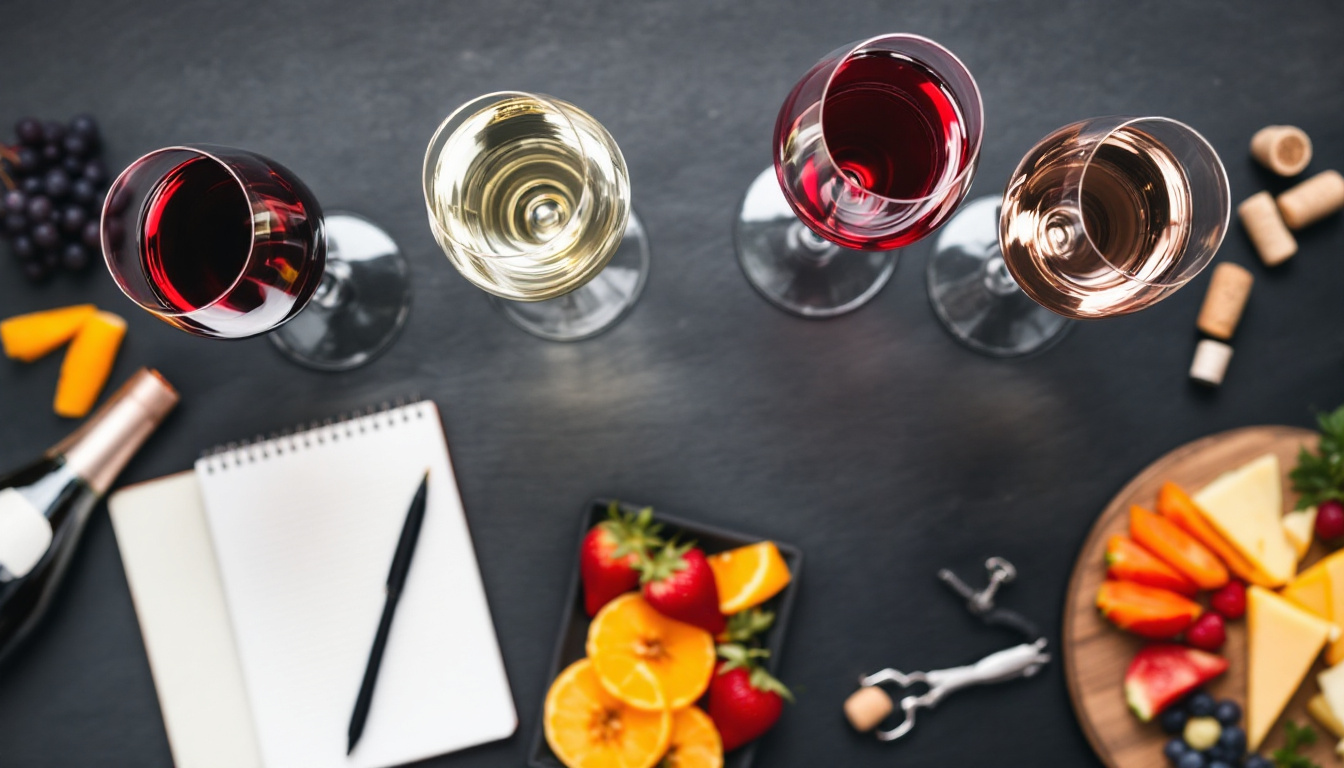
- Start small. You don’t need an expensive lineup—grab a red, a white, and a rosé.
- Invite friends for a casual tasting at home. Conversation can help spark new thoughts.
A side-by-side tasting reveals how climate, grape, and style change the wine in your glass.
Take Notes and Build a Wine Journal
Keeping a simple tasting journal helps you remember details, track your preferences, and spot what you love most. Write down your thoughts for each wine. Don’t worry about writing a long review—a few words or phrases will do.
What to jot down:
- Wine name and vintage
- Where it’s from
- Flavors and scents you notice
- Scores or simple tags like “loved it” or “too sour”
- Food you paired with it
Use your phone’s notes app, a paper notebook, or a tasting sheet. Over time, you’ll spot trends and feel more certain when picking your next bottle.
Expand Your Wine Vocabulary
Building a wine vocabulary makes it easier to explain what you taste and remember your favorites. The more words you collect, the more precise you become.
Some useful words for red wines:
- Cherry, blackcurrant, plum
- Leather, tobacco, mushroom
- Pepper, vanilla, chocolate
Useful words for white wines:
- Apple, citrus, peach
- Honey, butter, grass
- Almond, mineral, floral
Don’t worry if your list sounds different from the “experts.” The best vocabulary for you is one that makes sense to your own nose and taste buds. If it reminds you of grandma’s cherry pie, write that down.
Try New Varieties and Regions
Sticking to the same grape or region makes it hard to develop wine tasting skills. Branch out to taste new varietals and bottles from different places. Each region and grape brings different flavors, which helps you learn faster.
Ways to get started:
- Choose unfamiliar grapes at the store or wine bar.
- Ask staff at your local shop for a wild card pick.
- Join a wine club that sends bottles from across the globe.
Exploring new wines is both fun and eye-opening, leading you to bottles you might have never noticed before.
Join Local Tastings or Wine Clubs
Wine tastings at local shops, wineries, or wine bars are perfect for building skills. Most hosts offer short lessons, tasting notes, and side-by-side flights.
Benefits of group tastings:
- Meet new wines in a low-pressure setting.
- Chat with others and hear their thoughts.
- Ask questions of staff and learn quick tips.
Wine clubs offer monthly or quarterly shipments, often tailored to taste preferences and season. This steady exposure to new wines keeps your palate fresh and helps you develop confidence.
Stay Curious and Trust Your Senses
The best wine tasters are those who stay curious. There’s no right answer when it comes to personal taste. If you like a wine, that’s enough.
To stay engaged and keep learning:
- Taste with friends and compare notes.
- Pair different dishes with different wines to see what works.
- Smell and taste foods and spices from your kitchen to build memory.
With practice and these simple tips, your wine tasting skills will grow, making each glass more enjoyable and memorable.
Conclusion
Tasting wine like a pro is all about slowing down and trusting your own senses. With each look, swirl, sniff, and sip, you build confidence and find more to enjoy in every glass. Small changes in routine, like using the right glass or taking quick notes, can make a big difference in what you notice. Most of all, the more you taste and pay attention, the easier it gets.
Grab your next bottle and try these tips for yourself—you’ll notice details that once passed you by. Every glass is a new chance to learn, so keep exploring, have fun, and share your discoveries with friends. Thanks for reading and cheers to your wine adventures!