Luxury Wine Gifts: How to Choose a Bottle That Feels Personal and Premium
A luxury gift should feel like more than a price tag. It should feel like a moment someone remembers, the pop of a cork, the first pour, the story behind the label.
That’s why luxury wine gifts work so well. Wine doesn’t just sit on a shelf, it turns into an evening, a toast, or a quiet “you matter” after a long week.
Luxury in wine gifting isn’t only about cost. Price matters, but so do rarity, age, producer reputation, presentation, and service (like careful shipping and a great note). This guide keeps it simple, so you can choose the right bottle or set for holidays, corporate thanks, weddings, and milestone birthdays without guessing.
What makes a wine gift feel truly luxurious (not just expensive)?
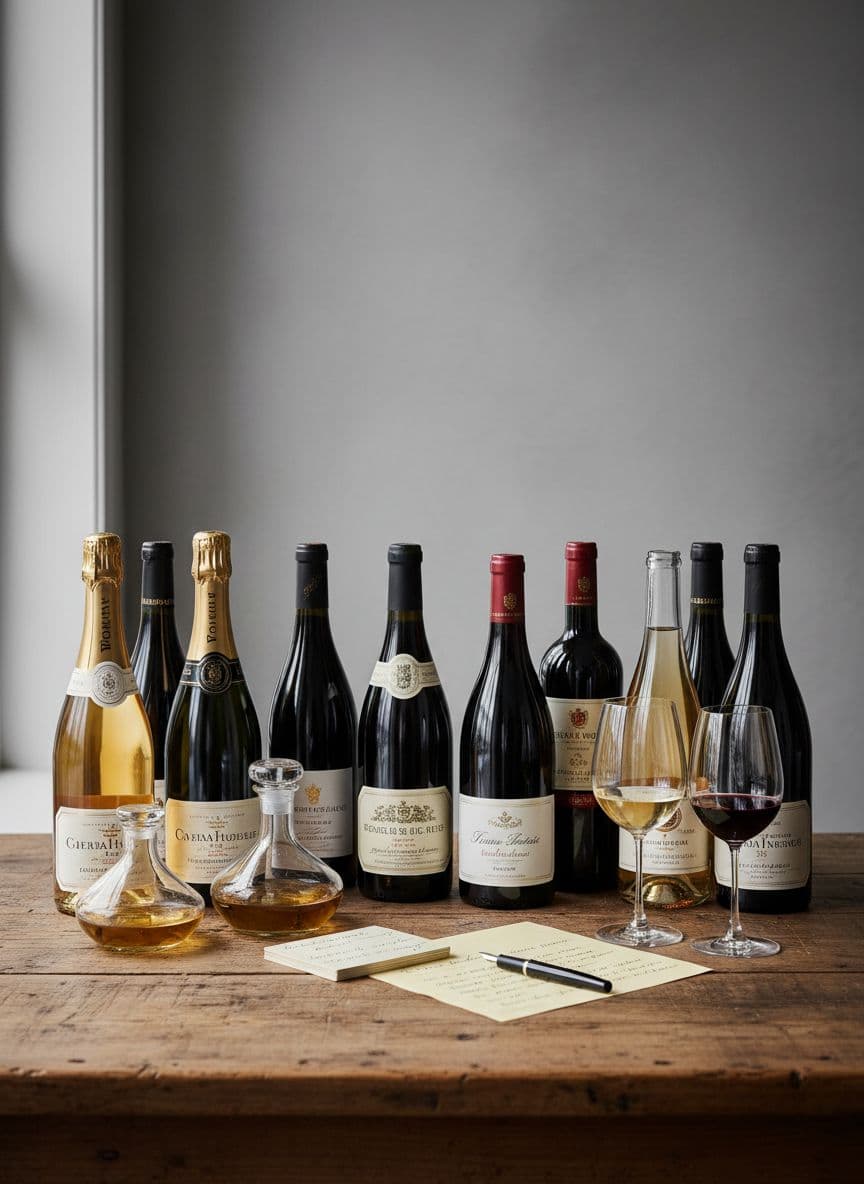
Luxury wine has a few clear signals. Some are in the bottle, some are in the backstory, and some show up when they open the package.
A wine gift feels truly luxurious when it has:
- Quality you can taste, even if the recipient isn’t a wine geek
- Scarcity, meaning it’s not on every grocery store shelf
- Age (or the ability to age), which adds depth and meaning
- A trusted name, either a famous producer or a respected region
- A polished unboxing, so it feels like an occasion right away
Quick examples of wines that often read as “luxury”:
- Vintage Champagne (a single harvest year, often richer and more complex)
- Classified growth Bordeaux (historic estates with long reputations)
- Cult Napa Cabernet (small production, high demand)
- Aged Rioja (smooth, savory, and ready to drink)
- Single-vineyard Burgundy (can be stunning, but buying it is tricky and varies a lot)
One more truth that saves money and stress: perceived value matters. A well-chosen $150 bottle from a great vintage can impress more than a random $300 bottle with no story, no provenance, and no planning.
Rarity, age, and provenance: the 3 details that raise the “wow” factor
These three ideas sound fancy, but they’re simple once you see them in plain terms.
Rarity means the wine is hard to find. That could be a limited release, a small family producer, or a single-vineyard bottling. People love what they can’t easily replace.
Age can mean an older vintage that’s ready to drink, or a “library release” (wine held back by the producer, then released later). Age signals patience and care.
Provenance is a wine’s life story after it left the winery. Was it stored cool and dark? Did it ship safely? Was it handled by a trusted retailer? Provenance is often what separates a great gift from a risky one.
A quick checklist for what to look for online or in-store:
- Vintage year listed clearly (if it matters for that wine)
- Importer or distributor information (a sign it’s a legit supply chain)
- Storage notes (cool storage, temp-controlled warehouse, cellar release)
- Original wooden box (OWC) for higher-end Bordeaux and some collectors’ wines
- Professional shipping options, including heat protection when needed
If you’re spending luxury money, provenance isn’t optional. It’s part of what you’re paying for.
Presentation details that matter: gift boxes, notes, and pairings
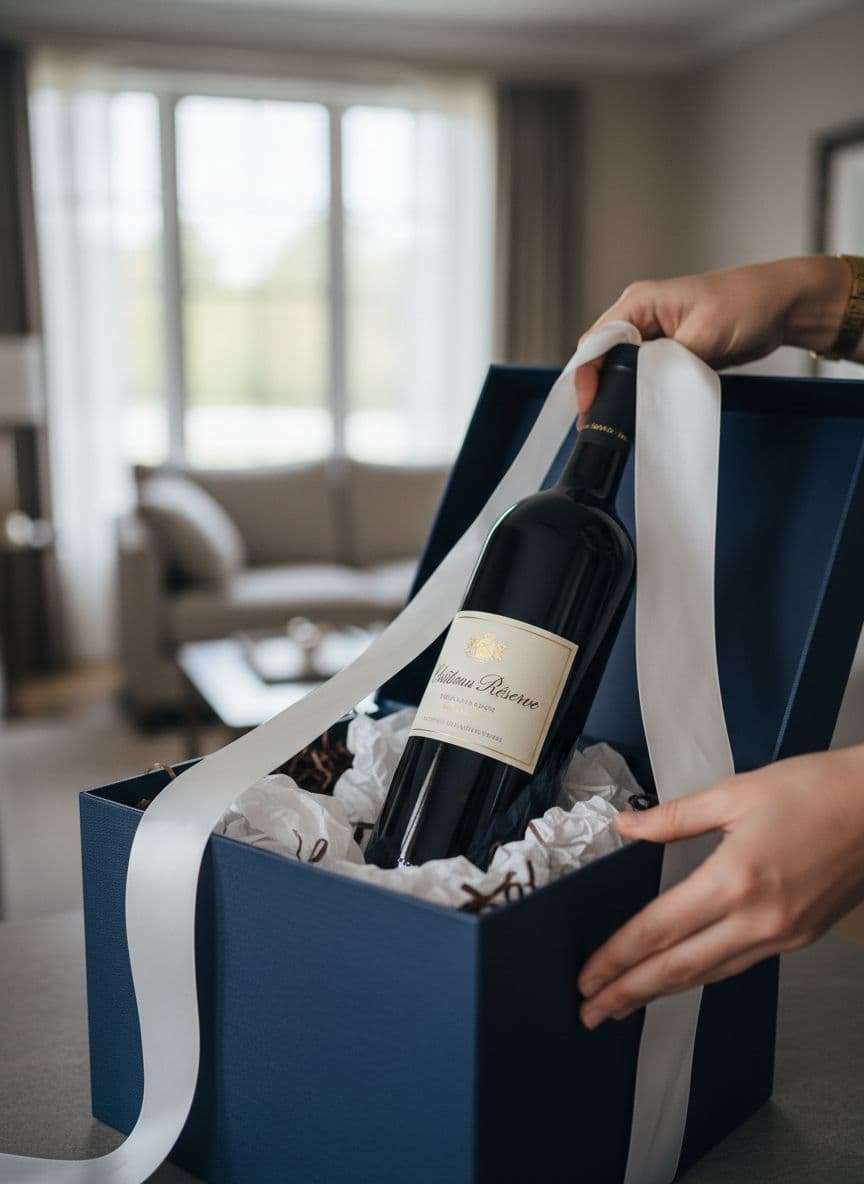
Wine already feels special, but small touches can make it feel “opened with two hands” special.
Look for:
- A sturdy gift box (not thin cardboard)
- Tissue wrap and a snug fit so the bottle doesn’t rattle
- A simple handwritten note, even one sentence
- Optional wax seal or ribbon if the shop offers it (tasteful, not loud)
Add-ons can work, but choose them like you choose the wine: with restraint.
Good pairings that ship well:
- Artisan chocolate (dark chocolate works with many reds)
- Marcona almonds or olives
- Shelf-stable pâté or crackers
- A steak rub or finishing salt
- Truffles or honey (great with sparkling wine)
If you’re shipping, skip anything that melts easily or needs refrigeration. A luxury gift shouldn’t arrive stressed.
Best luxury wine gifts by recipient, occasion, and taste
Availability changes fast by region and vintage, so shop by style and cues, not by chasing one exact label. The luxury range can start around $100 and runs to $500 and beyond, but smart choices exist at every tier.
For someone who loves bold reds: Napa Cab, Bordeaux, and Barolo picks
Bold red lovers usually want structure, dark fruit, and a long finish. These wines also look “serious” on a gift table, which helps in corporate and milestone settings.
Napa Cabernet Sauvignon
Often plush, ripe, and crowd-pleasing. It’s a safe luxury gift when you don’t want to get too nerdy. Look for a strong producer and a reputable sub-area (like Oakville, Rutherford, or Howell Mountain). If the recipient is a casual drinker, avoid the most aggressive, high-tannin styles.
Bordeaux (Cabernet and Merlot blends)
Bordeaux brings history and a classic feel. If you want maximum gift impact, look for well-known classifications or top estates from respected appellations. Bordeaux also offers options that drink well young and bottles meant for the cellar.
Barolo (Nebbiolo from Piedmont)
Barolo is a “special dinner” wine. It’s fragrant and powerful, with tannin that can be firm. For gifting, choose a bottle with some age, or pick a producer known for a more approachable style.
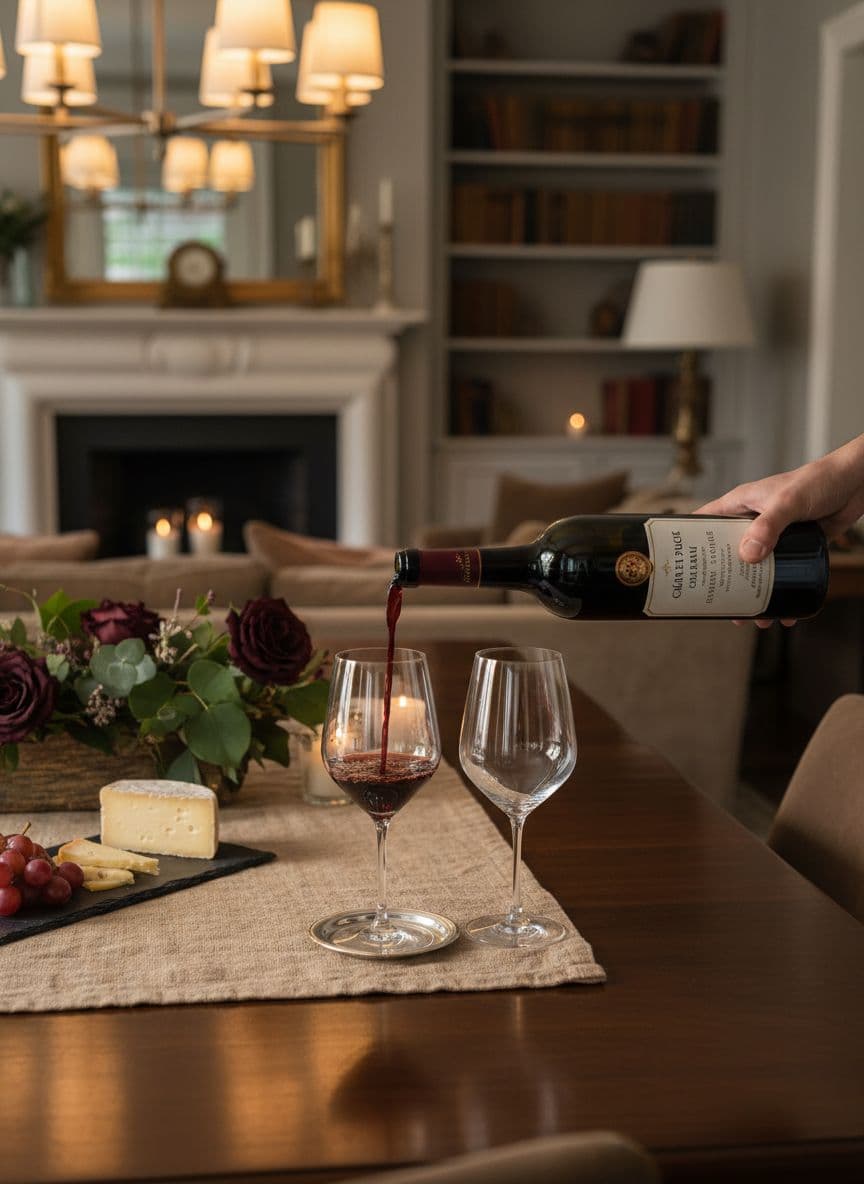
A practical buying tip: decide if you’re gifting ready-to-drink or cellar-worthy.
- Ready-to-drink is safer for most recipients, it’s opened soon and enjoyed.
- Cellar-worthy works if they collect, or if you’re giving a wedding gift meant for an anniversary.
If you worry about tannin, choose Napa Cab or a softer Bordeaux vintage over very young Barolo.
For Champagne lovers: prestige cuvee, vintage Champagne, and grower gems
Champagne is the easiest way to make a gift feel like a celebration, even when the occasion is “thank you.”
Here’s the simple difference:
Non-vintage Champagne (NV) is a house’s consistent style, blended across multiple years. It can still be premium, but it’s the most common.
Vintage Champagne comes from one harvest year. It often tastes deeper, with more texture and a longer finish. It also feels more personal because the year is part of the identity.
Prestige cuvee is the house’s top bottling, made from their best sites or best lots, often aged longer. This is where you go for big anniversaries, major promotions, or a once-a-year client gift.
Don’t overlook grower Champagne (small producers who grow their own grapes). The best ones feel like insider picks, and that can read as luxury even if the price is lower than a famous prestige bottling.
Serving tips that make the gift feel premium:
- Chill in the fridge for about 3 hours, or in an ice bucket for 30 minutes
- Skip flutes if possible, a white wine glass shows more aroma
- Add a note that says “open this with dinner,” it gives the bottle a plan
For white wine fans: Burgundy, aged Riesling, and top-tier Sauvignon Blanc
White wine lovers often get boxed into generic Chardonnay. A luxury gift is your chance to give something with real character.
White Burgundy (Chardonnay)
Great white Burgundy can taste like citrus, stone fruit, and subtle toast, with a mineral edge. The challenge is that Burgundy is pricey and confusing, and quality can vary. A curated wine shop helps here because they’ll steer you away from overhyped, underwhelming bottles.
What to look for: trusted producers, clear village or vineyard info, and good storage.
Aged Riesling
This is the sleeper luxury gift. With age, Riesling turns complex and layered, with flavors that can hint at honey, lime, and toasted notes, while staying fresh. It’s also a smart choice when you want something special that doesn’t feel predictable.
Top-tier Sauvignon Blanc
High-end Sauvignon Blanc can be crisp, aromatic, and elegant, not just sharp. Look for serious regions known for refined versions, and choose a bottling with some texture and length.
If you want a safe white that still feels special, a premium Chardonnay from a respected producer, or an aged Riesling from a trusted retailer, usually lands well.
For the person who “has everything”: rare regions and collectible bottles
Some people don’t need more stuff. They need a story.
These wines make great conversation starters:
Super Tuscan
A bold Italian red style, often Cabernet blends with Italian flair. It feels luxe and celebratory.
Priorat
A powerful Spanish red from steep vineyards, often intense and structured, great for bold red lovers who want something different.
Etna Rosso
A volcanic, elegant red that feels fresh and distinctive. It’s a thoughtful gift for someone who likes Pinot Noir but wants a new angle.
Vintage Port
A classic collector gift with real aging potential. It also has ceremony built in.
Madeira
One of the most durable wines on earth once opened, and it can taste incredible. It’s a smart luxury gift for hosts and history lovers.
Single-vineyard Rioja
Rioja can be smooth and savory with age, and single-vineyard bottlings add a collector feel.
Fortified wines (Port and Madeira) are also practical. They last longer after opening, so the recipient doesn’t feel rushed.
One reminder: check sweetness. Port and Madeira come in different styles, and the best match depends on whether they like drier or sweeter drinks.
How to buy and send luxury wine gifts safely and confidently
Luxury gifting gets easier when you treat wine like food plus travel. It’s fragile, it reacts to heat and cold, and it needs the right match for the person.
Choosing the right bottle when you do not know their exact taste
You don’t need their full cellar inventory to make a great choice. Use a simple decision path:
- Big celebration: Champagne (vintage or prestige cuvee)
- Classic red lover: Cabernet Sauvignon or a Bordeaux blend
- Lighter red drinker: Pinot Noir (or Etna Rosso as a fresh twist)
- White wine fan: Chardonnay (white Burgundy if you trust the shop) or Riesling
- They love dessert or cheese: Vintage Port, or a drier style of Madeira if they prefer less sweetness
A short avoid list for gifting, unless you know they love these styles:
- Very funky natural wines (can taste “off” to many people)
- Very sweet wines without context
- Ultra high-alcohol reds that can feel hot and heavy
If you’re stuck between two options, choose the bottle with clearer provenance and better presentation. It will show.
Shipping, timing, and legal basics (so your gift arrives perfect)
Wine can cook in a truck, and once it’s cooked, there’s no fixing it.
Simple shipping rules:
- Avoid shipping during heat waves or deep freezes
- Choose expedited shipping when weather is risky
- Use “hold for pickup” when available, it prevents a box sitting outside
- Pay for temp-controlled shipping if the retailer offers it, especially for $200-plus bottles
Plan early around holidays. Carriers get backed up, and you don’t want a prestige bottle stuck in a warehouse over a weekend.
In the US, alcohol delivery usually requires an adult signature, and some states have restrictions. Retailers spell this out in their shipping policies. Read them before you click buy, especially for corporate gifting to offices.
Luxury wine gift ideas that go beyond a single bottle
A single great bottle is powerful. A thoughtful bundle can feel even more personal, and it solves a common gifting problem: “When should we open it?”
Curated sets and verticals: how to gift a mini collection
A set turns your gift into an experience.
A tasting set is a group of bottles from the same region or theme, but from different producers. It’s great for curious drinkers because it invites comparison.
A vertical is the same producer, same wine, different vintages. This feels collector-level and works well for serious fans.
Ideal set sizes:
- 2 bottles for a simple, elegant gift
- 3 bottles for a real tasting night
- 6 bottles for a true “wow,” often best for close family or key clients
Add a printed tasting card for each bottle (even a short note). Include what it is, why you chose it, and a food pairing suggestion. That small guide turns confusion into confidence.
Wine club memberships and tasting experiences that feel high end
A wine club makes sense when the relationship is ongoing. Think long-distance family, client retention, or a thank you that lasts past December.
What to look for in a higher-end membership:
- Customization by color and style (reds, mixed, sparkling)
- Clear pricing and easy skip options
- Delivery frequency that fits their life (monthly can be too much)
- Quality-focused selection notes, not sales copy
Experience gifts can also feel luxurious without guessing a bottle:
- Winery tastings and tours (best when travel is realistic)
- Sommelier-led virtual tastings for remote teams or families
- Curated tasting flights at a respected wine bar
These gifts create stories, not clutter.
Conclusion
A luxury wine gift is simple when you use a clear formula: match taste to the occasion, then add rarity, provenance, and clean presentation. Pick one high-confidence style, buy from a trusted source, and plan shipping early so the bottle arrives in perfect shape. Use the recipient-based picks above, choose the bottle that fits their palate, and let luxury do what it does best, turn a gift into a moment worth saving.