
Wine and Cheese Board Guide: Pairing Tips, Party Ideas, and Easy Presentation
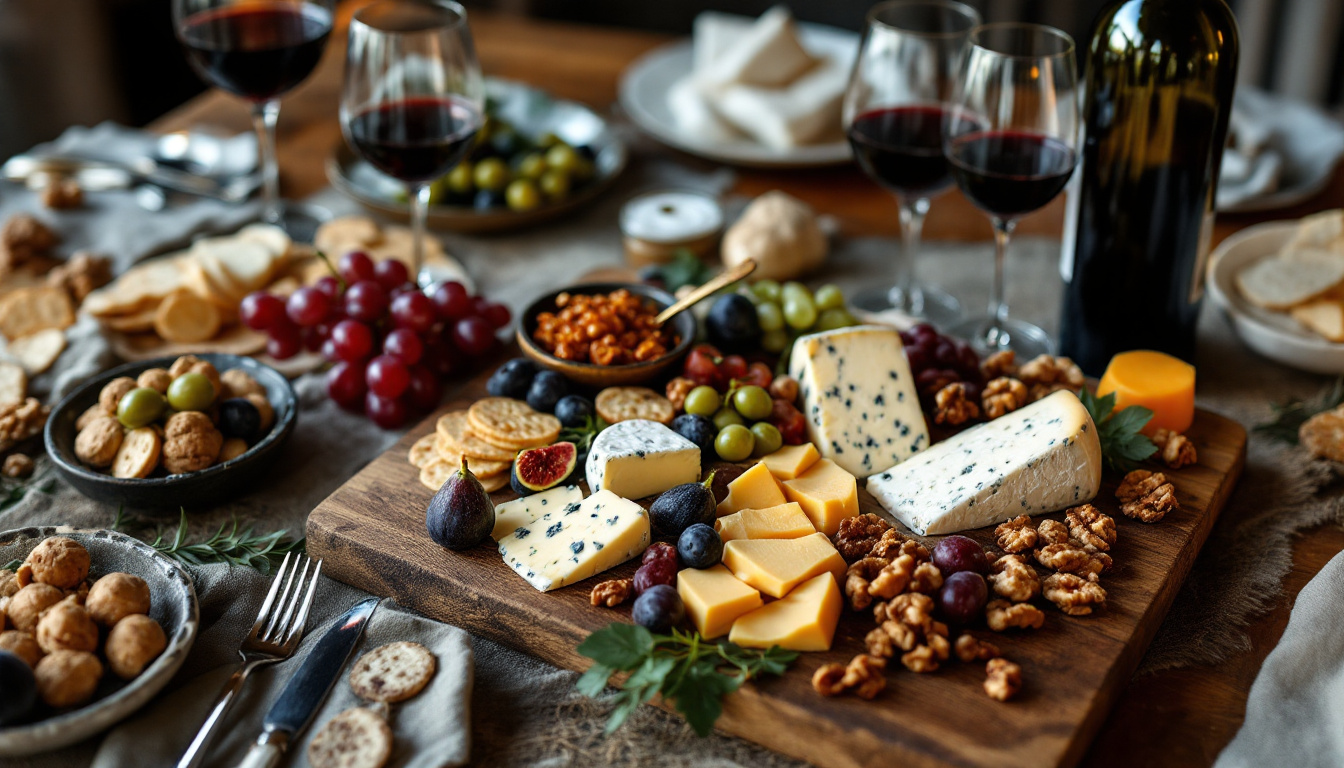
Nothing brings people together like a well-made wine and cheese board. It’s a simple way to add something special to a party or a quiet night with friends. People love them because they’re easy to put together, fun to personalize, and perfect for sharing.
A wine and cheese board lets you mix and match flavors, play with textures, and add a bit of style to your table. In this post, you’ll get straightforward pairing tips, easy ideas for picking ingredients, and simple tricks that make your board stand out. Whether you want to impress a crowd or just enjoy a relaxing night at home, you’ll find all you need to create a board that fits your style and taste.
Selecting the Right Cheeses for Your Board
Building a great wine and cheese board starts with picking the right range of cheeses. The right selection gives your guests something to get excited about and helps each wine pairing shine. It’s all about mixing things up by choosing cheeses with different textures and flavors, so there’s something for every taste.
Cover the Main Cheese Textures
A balanced board covers a few key texture groups. This keeps the board interesting and lets everyone find something they enjoy. When shopping, try to include:
- Soft cheeses (creamy and spreadable, melt in your mouth)
- Semi-soft cheeses (moist, sliceable, smooth)
- Firm cheeses (dense, easy to cut, more flavor as they age)
- Blue cheeses (crumbly or creamy, bold taste from blue veins)
Cheeses to Try for Each Category
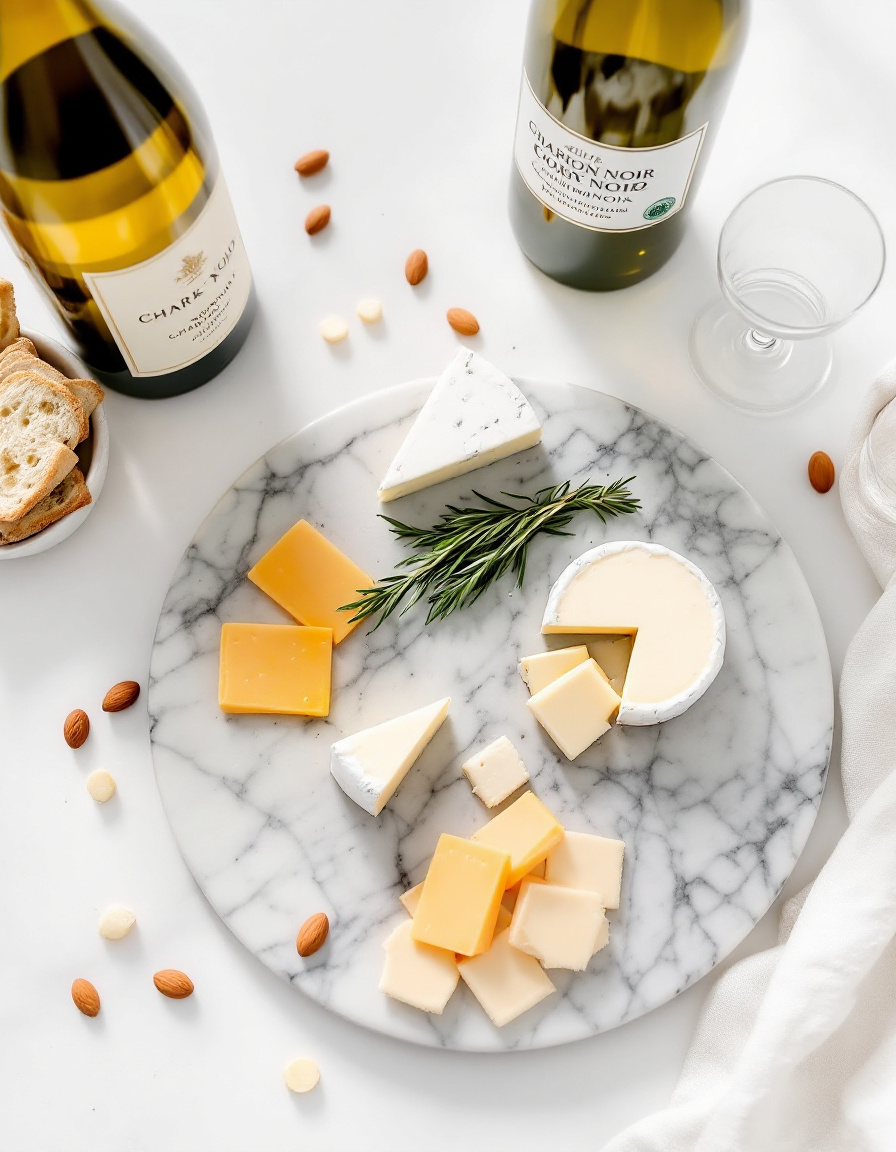
Not sure which cheeses fit where? Here are some crowd favorites that always work well with wine:
| Texture | Example Cheeses | Taste Profile | Pairs Best With |
|---|---|---|---|
| Soft | Brie, Camembert | Mild, buttery, creamy | Light reds, sparkling wines |
| Semi-soft | Havarti, Fontina | Nutty, soft, mellow | Chardonnays, fruity reds |
| Firm | Cheddar, Gouda | Sharp, nutty, caramel | Bold reds, Cabernet |
| Blue | Roquefort, Gorgonzola | Tangy, savory, strong | Sweet wines, Port |
Plan for Number of Cheeses
For a simple board, pick three to five different types of cheese. This lets you cover the main categories without overloading your guests. If you’re having a larger party (over ten people), add more options to keep the selection fresh and exciting.
- Fewer than 6 guests: 3 types work well (one from each group)
- 6 to 10 guests: 4 to 5 types to keep things interesting
- Over 10 guests: Up to 7 varieties, especially if wine pairings are a big part of the event
Portion Sizes Made Simple
A good rule is to plan for about 2 ounces of cheese per person if the board is an appetizer. If it’s the main event, bump that up to 3 ounces per person. For a mixed crowd or a party where cheese is the star, choose the higher amount to be safe.
Mix Up Flavors for Balance
Surprise your guests by weaving in different flavor strengths and styles:
- Mild: Brie, Havarti, fresh mozzarella
- Sharp: Aged cheddar, Manchego
- Sweet or nutty: Swiss, Gruyère, Gouda
- Strong: Blue cheese, Roquefort
A mix like this keeps the board from feeling flat, and every wine gets a perfect match. Get creative—just make sure to cover the main types so no one misses out on their favorites.
A varied cheese board not only looks stunning but also lets everyone explore new tastes while still having some familiar favorites.
Pairing Wines with Cheeses
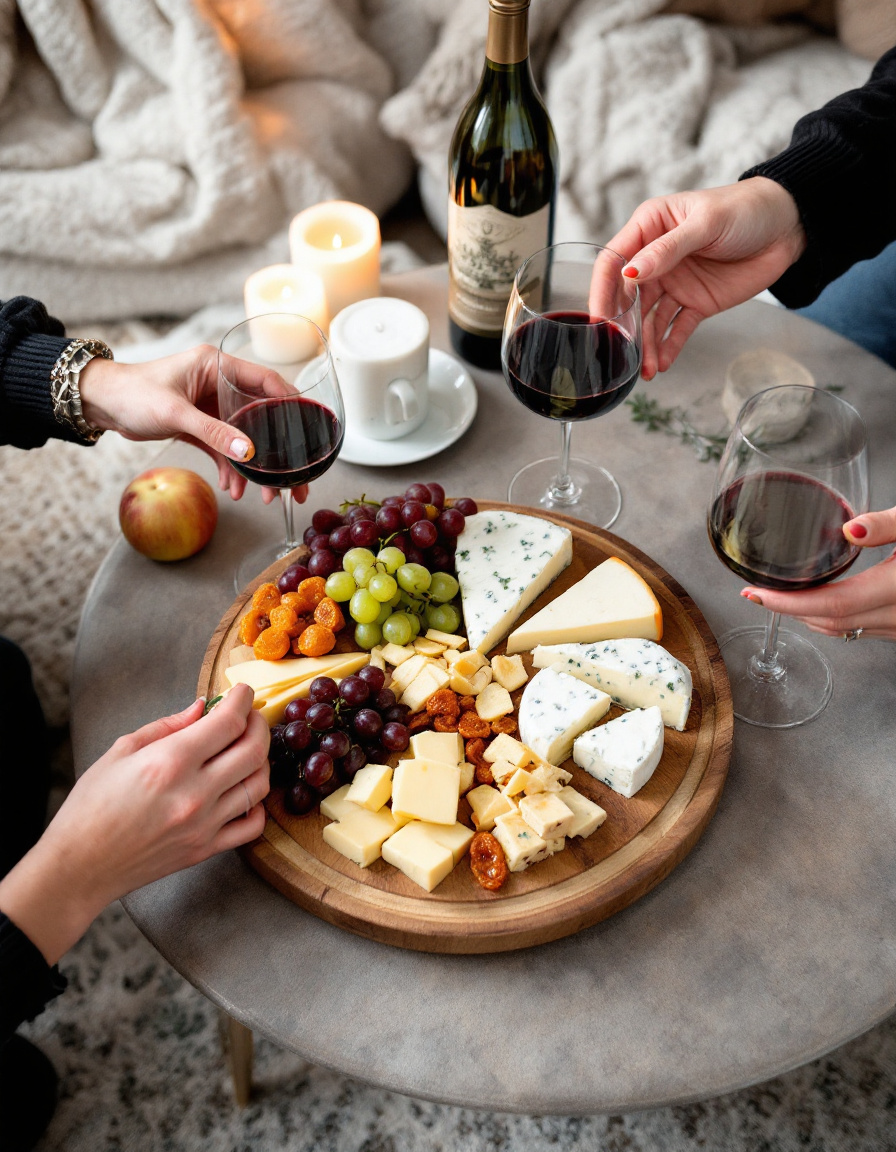
Mixing wine with cheese might sound simple, but there’s real skill behind making every bite and sip stand out. The right combination brings out subtle flavors, balances bold tastes, and turns a casual snack plate into something memorable. Here’s how to set the stage for a wine and cheese board that makes everyone want to try a little bit of everything.
Tips for Serving Wine and Cheese Together
Getting wine and cheese to shine together means paying attention to the details. Small touches make a big impact.
Nail the Right Temperatures
Both wine and cheese have a “just right” temperature. Serving them at the right temp helps keep flavors clear and textures at their best.
- Wine:
- White wines: Chill to about 45°F (think crisp, but not icy).
- Red wines: Aim for 60-65°F, just a bit cooler than room temp.
- Sparkling: Serve at about 40-45°F for fresh bubbles.
- Rosé: 45-55°F for a clean, lively taste.
- Cheese:
Take cheese out of the fridge 30 to 60 minutes before serving. Room temp brings out full flavors and softens textures so you taste every layer.
Order Matters: Go Mild to Strong
Tasting order can change how flavors come across. Start with milder cheeses and lighter wines, then build up to stronger ones.
- Step-by-step order:
- Try fresh, soft cheeses and light-bodied wines first.
- Move to semi-soft, nutty options and medium wines next.
- Save the firm, sharp, or blue cheeses and big reds or sweet wines for last.
This order keeps stronger flavors from overpowering delicate ones, letting you enjoy each pairing on its own.
Make it Easy to Identify Choices
Your board will look great, but guests want to know what they’re tasting. Simple signs help everyone find their favorites and try new combos.
- Use small labels or cards with cheese names and wine types.
- Add a note about the flavor or origin (“Aged Cheddar, sharp and nutty” or “Malbec, bold and fruity”).
- Place labels next to each item so it’s easy to read and reference with each taste.
Basic Pairing Rules
Pairing isn’t just about matching labels. It’s about finding a balance between flavors and textures.
- Match intensity:
Light wines with mild cheeses, bold wines with stronger cheeses. - Balance flavors:
Pair salty cheeses with sweet wines, acidic wines with creamy cheeses, and earthy wines with nutty options.
Classic Pairings to Try
Get started with a few tried-and-true combos that never disappoint:
| Wine | Cheese | Why It Works |
|---|---|---|
| Sauvignon Blanc | Goat cheese | Bright acid lifts the tangy, creamy cheese |
| Chardonnay | Havarti or Brie | Creamy cheese matches buttery flavors |
| Pinot Noir | Gruyère or Camembert | Subtle fruit and earthy undertones |
| Cabernet Sauvignon | Aged cheddar | Bold meets bold, both stand up to each other |
| Port or Sauternes | Blue cheese | Sweetness balances savory, strong flavors |
How to Experiment with Pairings
Trying new matches can make your cheese board more adventurous and personal.
- Pick a wine from a local shop and pair with an artisan cheese from your area.
- Use seasonal picks, like fresh chèvre in the spring or aged Gouda in the fall.
- Host a “mix and match” tasting where guests can combine different wines and cheeses. Encourage notes or simple scoring to see which pairings win the night.
Being bold about new combinations helps you discover surprising favorites, and your guests will appreciate the chance to try something different.
A little planning goes a long way with wine and cheese. Setting the right mood, sharing helpful labels, and following a few rules will turn your board into the star of any get-together.
Building a Beautiful and Balanced Cheese Board
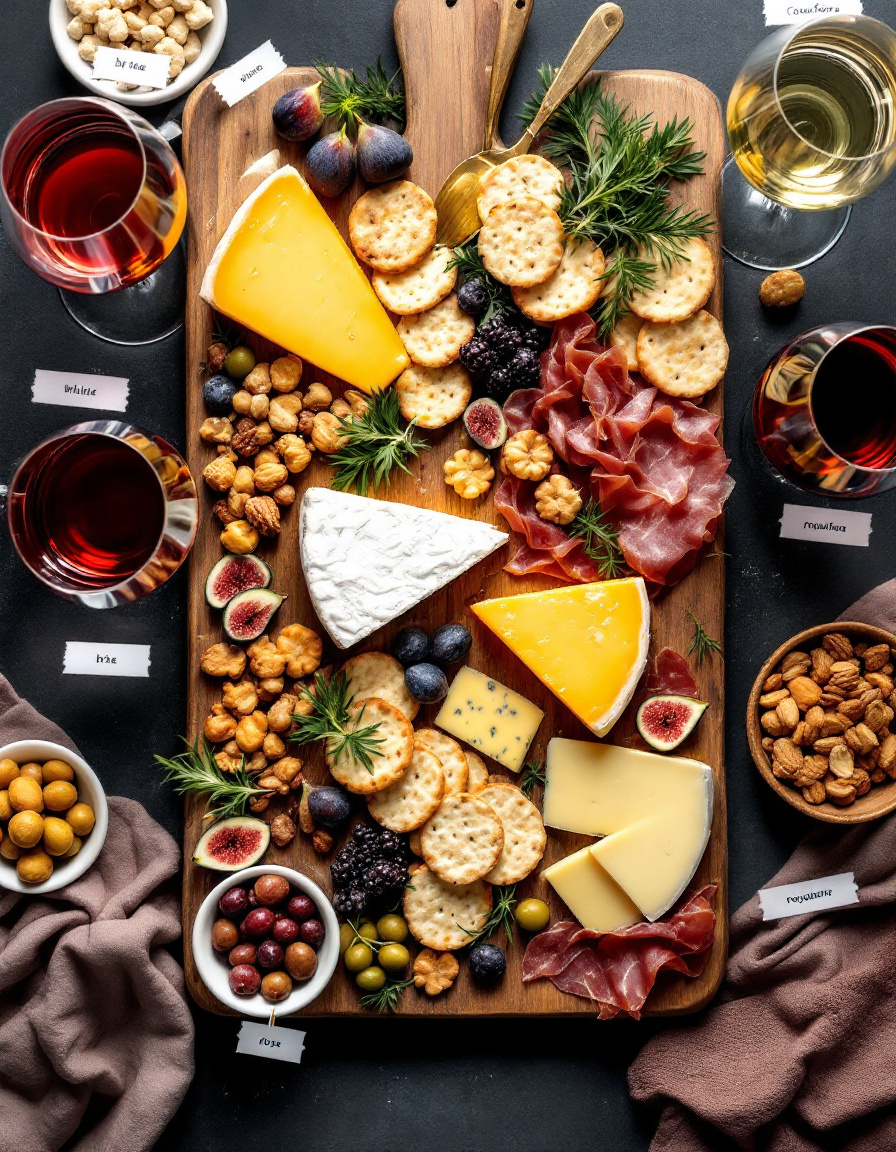
The real magic of a wine and cheese board comes from how you put it all together. With some thoughtful choices, you can turn simple ingredients into a show-stopping centerpiece that is inviting and delicious. It’s about more than just placing things on wood or slate—it’s about balance, color, texture, and a bit of playfulness.
Start With the Base
Every great board needs a strong foundation. Wooden boards, marble slabs, and slate trays all work well. Choose one that gives you enough space for the variety you want to offer without feeling crowded. Boards with a little edge hold in any crumbs or spills, making cleanup easier. Even a baking sheet or large plate works when you’re short on supplies.
Arrange Cheeses With Intention
Begin by placing your cheeses. Space them out evenly across the board so each one has its own spotlight. Cut some pieces ahead of time to make it easy for guests to taste every variety. Mixing up the shapes—wedges, cubes, slices, or even a small wheel—keeps the board lively and fun.
If you’re using soft cheeses, leave a cheese knife nearby and consider leaving one cheese whole, like a round of Brie or Camembert. Firm and semi-soft cheeses look great sliced, crumbled, or cubed.
Layer In Color and Texture
Balance is key to a board that looks as good as it tastes. Adding color and texture draws people in and makes everything pop. Here are simple ways to keep things bright and interesting:
- Fruits: Grapes, berries, apple slices, figs, orange wedges
- Veggies: Snackable items like cherry tomatoes, cucumber slices, roasted peppers
- Nuts: Almonds, walnuts, pecans, pistachios for crunch and richness
- Olives & Pickles: Briny bites that cut through creamy cheese
- Dried Fruits: Apricots, cherries, figs, dates for sweetness
Scatter these items between the cheese, tucking small piles or loose handfuls around the board. This builds movement and keeps the eye roaming, which makes the board more appealing at first glance.
Add Meats, Breads, and Crackers
Balance flavors by bringing in classic pairings that make each bite new. Fold or roll thin slices of cured meats such as prosciutto, salami, or coppa and nestle them among the cheeses. Stack or fan out different crackers and breads, aiming for at least two or three kinds. Think baguette slices, multigrain crackers, or something with seeds for extra crunch.
Here’s a quick reference table for some reliable accompaniments to complement your cheeses:
| Accompaniment | What It Adds | Cheese Matches |
|---|---|---|
| Prosciutto | Savory, salty richness | Brie, mozzarella |
| Almonds | Nutty crunch | Aged cheddar, Gouda |
| Grapes | Sweet, juicy freshness | Blue cheeses, Havarti |
| Olives | Briny, sharp contrast | Manchego, feta |
| Fig jam | Sweet, sticky texture | Blue cheeses, Camembert |
Fill In the Gaps
Once you have your base ingredients, look for gaps on the board. Use smaller items like berries, nuts, or pieces of dried fruit to fill them in. This not only finishes the look but also gives guests smaller tasting options to mix and match.
For a little extra flair, try adding sprigs of fresh herbs (like rosemary or thyme) or a few edible flowers. These bits of green add a fresh look and a gentle scent.
Tips for Easy, Eye-Catching Presentation
- Odd Numbers Work: Boards look more natural when you use odd numbers of items (three, five, or seven kinds of cheese or accompaniments).
- Group Items: Instead of lining up crackers or nuts, place them in loose, generous piles. Grouping by type keeps the board looking full.
- Vary the Heights: Stack crackers or bread slices, or wedge a chunk of cheese upright to create height and interest.
- Let Guests Explore: Include serving utensils—cheese knives, spreaders, and spoons—so everyone can build their perfect bite.
A board should feel welcoming and easy to approach. Letting a bit of the board show around the edges gives a clean frame, while generous piles and bold colors make the whole thing look like a work of art.
Building a cheese board is about setting the stage for sharing. Bring together color, texture, and layers, and you’ll have a centerpiece that invites everyone to dig in and savor the moment.
Hosting Tips for a Wine and Cheese Party
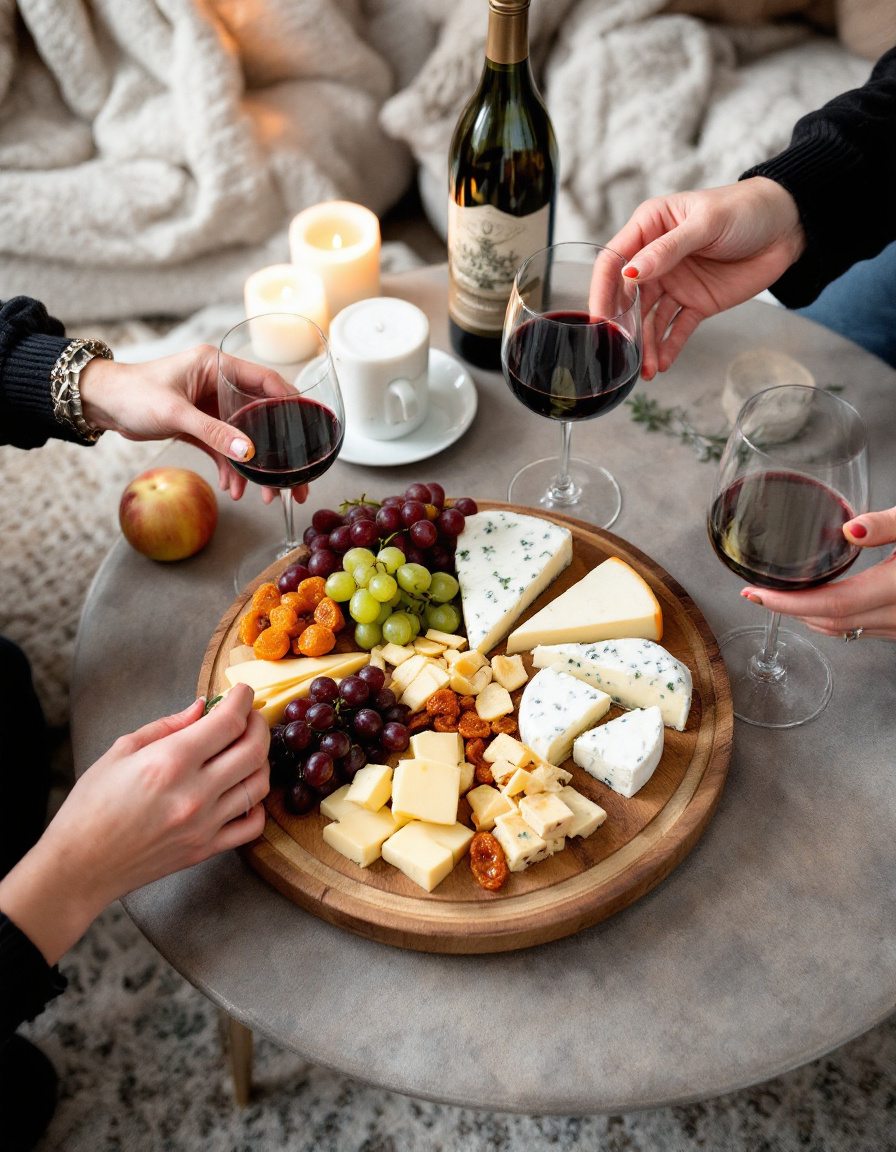
Planning a wine and cheese night at home should feel more like a treat than a chore. When you’re the host, the little details can turn a basic snack into a party everyone remembers. Here’s how to keep things simple, relaxed, and fun while making sure you have plenty for all.
Estimate Food and Drink Like a Pro
Worried you’ll have too little or way too much? Use some easy guidelines to take out the guesswork.
- Cheese: Plan for 2 to 3 ounces per person if it’s part of a bigger spread. Bump up to 4 ounces if cheese is the main event.
- Wine: One standard bottle serves five glasses. Estimate one glass per hour, per guest. For a three-hour tasting with six people, you’ll want about four bottles.
If your friends like a casual pace, a slow flow of cheese and wine helps everyone relax and enjoy the flavors.
Set Up a Casual Tasting Area
You don’t need fancy tables or polished decor to make it special. A coffee table, kitchen island, or even a clean countertop works. Arrange everything so guests can move around, refill their plates, and chat easily.
Quick tips for a comfy layout:
- Put wine and cheeses at the center with lots of open space.
- Stack small plates, napkins, and extra glasses within easy reach.
- Place cheese labels and tasting notes so guests know what they’re sampling.
- Scatter utensils (cheese knives, spreaders, small forks) alongside each cheese.
The right setup takes away any stress and keeps the party moving at its own pace.
Add Interactive Fun
People love to be part of the tasting instead of just eating what’s set in front of them. Get everyone talking and laughing with a few simple ideas:
- Tasting cards: Print or handwrite quick cards so guests can rate wines and cheeses. Categories like taste, texture, or best pairing keep it playful and light.
- Blind tasting: Cover a couple of wine bottles with paper bags and see if anyone can guess the type or region.
- Mix-and-match challenge: Set up a rating sheet for guests to vote on their favorite pair.
These small touches spark great conversations and turn tasting into a shared game.
Mistakes to Avoid
Even experienced hosts slip up sometimes. Dodge these common blunders for an effortless night.
- Serving cheese right from the fridge: Cheese tastes best at room temperature. Pull it out at least 30 minutes before guests arrive.
- Overcrowding the board: Too much on one platter turns into a mess. Let cheeses and sides breathe, and refill as needed.
- No water or palate cleansers: Offer plain crackers, fresh fruit, or sparkling water to help reset between flavors.
- Ignoring dietary needs: Check for common allergies, like nuts or gluten, and label foods clearly.
- Trying to do everything yourself: Invite guests to bring a favorite wine or cheese. People enjoy sharing, and it takes pressure off you.
Keep things simple, let the flavors do the work, and focus on creating an atmosphere where everyone feels at home. A few small tweaks can make your wine and cheese party the talk of the month without much extra effort.
Conclusion
A wine and cheese board is one of the simplest ways to bring people together and let everyone enjoy a good meal in good company. There’s no single way to build a perfect board—use what you like and don’t be afraid to try bold pairings or new ingredients. Bring in variety, color, and fresh flavors to match your taste or the season.
Take these ideas and make your board your own. Try out different cheeses, wines, fruits, or meats next time you gather with friends or family. Share what works, laugh about what doesn’t, and enjoy the experience. Thanks for reading, and feel free to share your favorite wine and cheese pairings in the comments.