
Think of a winery district assessment like a neighborhood kitty; everyone chips in a small, fair-share fee, then the whole block gets nicer perks. In wine country, that kitty powers regional ads, tourism, and tastings that bring more feet to your doors.
Here is the core idea in one line: winery district assessments are a fair-share fee on DTC sales that funds regional marketing and tourism. You will hear it called Wine Improvement Districts (WIDs), assessments, and DTC. The legal backbone is California’s PBID Law of 1994, which lets a region vote to pool money for shared benefits.
What changed in 2025? A few districts renewed or tweaked rates. The headline: the Santa Barbara County Wine Preserve starts April 1, 2025, at 1 percent, with quarterly payments beginning in July. Most models peg the fee to sales that already track with California sales tax, which keeps reporting sane.
This guide breaks it all down in plain English, no fluff. It is for owners who sign checks, tasting room managers who close tabs, controllers who live in spreadsheets, and club leads who fuel retention. You will get what counts, how rates apply, who pays, and what you gain.
Pour a coffee, not a headache. By the end, you will know how WIDs work in 2025, what to budget, and how to explain it to your team with calm, clear confidence.
Winery District Assessments in California, a Plain-English Definition for 2025
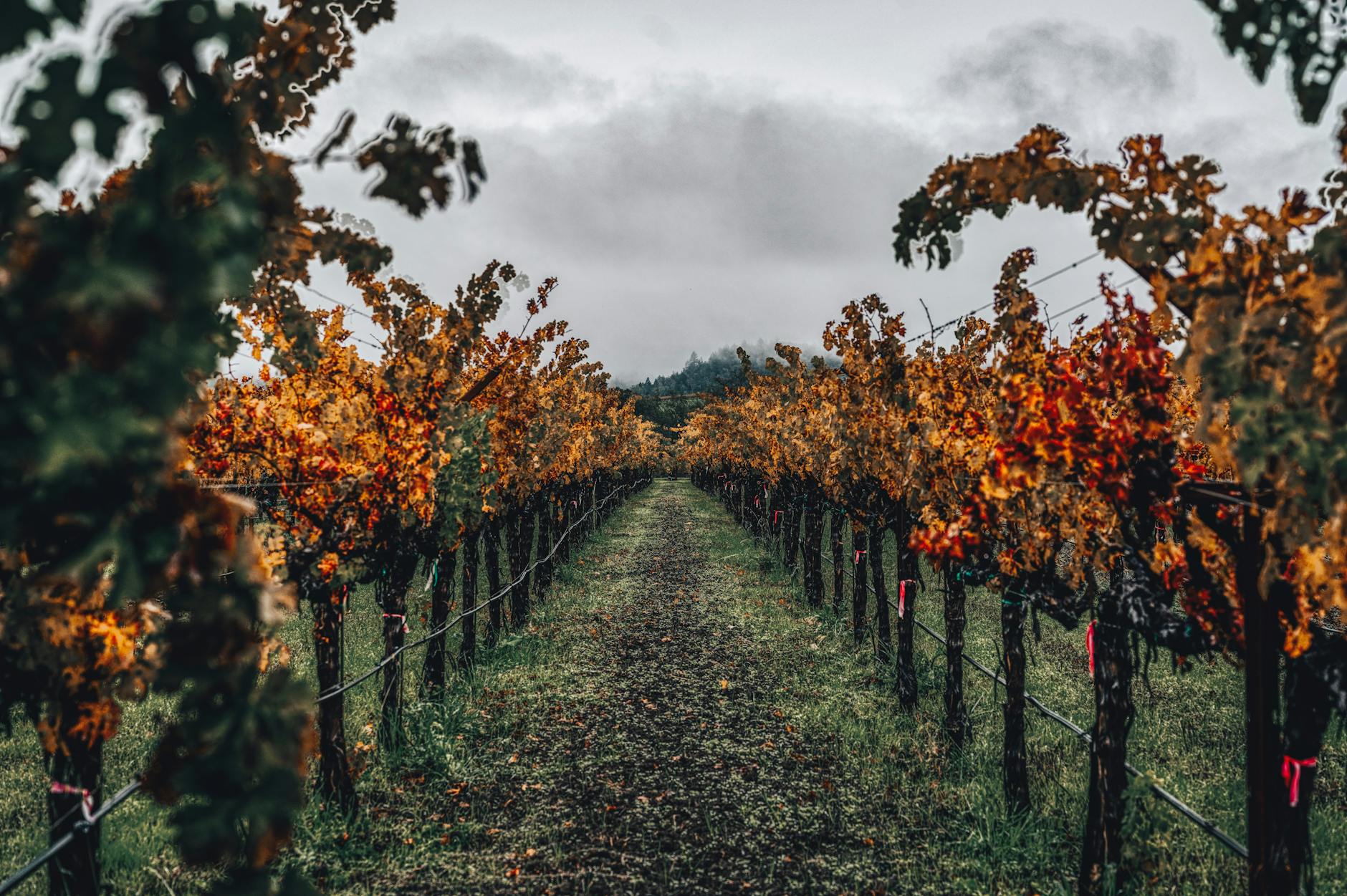
Think of a winery district assessment like a shared billboard that never sleeps. Wineries chip in a small, predictable fee, then the district uses it to bring more visitors, more tastings, and more club signups. In 2025, most districts keep it simple, usually a 1 to 2 percent charge tied to DTC sales tracked in your normal reports.
If you want a sense of what else shapes wine business in 2025, scan how climate swings hit flavor and yields in California vintages in this guide on Bolder Profiles in Drought-Struck West Coast Vintages. Then come back here to see how assessments help keep visitors coming.
What a Wine Improvement District is, and what it is not
A Wine Improvement District, often shortened to WID, is a locally formed program where wineries in a defined area pool funds for shared marketing and tourism. The goal is clear, bring more qualified traffic to the region so tasting rooms, clubs, and experiences grow.
Here is the easy way to keep it straight:
| Item | What it is | What it is not |
| Wine Improvement District fee | A self-assessment paid by wineries in a defined district | A broad public tax paid by everyone |
| Where the money goes | Direct benefit to paying wineries in that district | City or county general fund |
| Typical use | Regional ads, PR, visitor guides, maps, events, travel trade outreach | Roads, police, schools, or unrelated government services |
| Who decides scope | Wineries approve a plan and local government adopts it by ordinance | A tax authority with no winery vote |
Key points to remember:
- Benefit must flow to the payers. Funds target marketing, visitor services, and tourism that help district wineries.
- Not a general tourism fee. It does not bankroll broad county tourism unless the plan says it supports winery-focused campaigns.
- Not a hidden tax. It is a self-imposed assessment with a defined boundary, scope, and budget.
Example: A district might fund a spring tasting passport, LA billboards, a refreshed website with winery listings, and a hosted trade tour. That is on-mission. Repaving Main Street is not.
Who pays the fee, and when it kicks in
Only wineries located inside the district pay the assessment, and only on eligible direct-to-consumer sales. That keeps things clean and auditable.
Here is how it usually works:
- Trigger date: The fee starts when the local ordinance takes effect. You collect and remit on eligible DTC sales from that date forward.
- What counts: Tasting room purchases, wine club shipments delivered in California, and online or phone DTC orders shipped to California addresses. Some districts include branded merch, others do not. Read your ordinance.
- What does not count: Out-of-state DTC shipments are typically excluded. Wholesale is not DTC, so it is outside the scope.
- New wineries: If you open inside the district later, you start collecting as soon as you begin DTC sales. No DTC, no fee.
Tip for your POS and club tools:
- Add a line item named something clear like “District Marketing Assessment.”
- Map it to eligible California DTC orders only.
- Tie reporting to the same sales categories you use for sales tax to keep reconciliation simple.
The key law that sets the rules
The foundation is California’s Property and Business Improvement District Law of 1994. This law lets local governments form districts when affected businesses petition and approve a plan. Your county or city then adopts a local ordinance that spells out the boundary, rate, purpose, start date, term, and how funds are governed.
What that means for you:
- The law sets the framework, the ordinance sets the fine print.
- The scope must benefit the assessed wineries, not the general public.
- Terms are fixed for the district’s life, usually several years, then the district seeks renewal.
In short, the 1994 law is the rulebook, the ordinance is the playbook, and your DTC system is the scoreboard. Keep them aligned and you will breeze through audits and budget season with a full glass.
How a Wine District Gets Formed, from Petition to Vote
Think of forming a Wine Improvement District like planning a neighborhood block party. You gather interest, agree on the plan, and take a vote. Once the city or county gives the green light, the music starts and everyone chips in for the fun.
This roadmap walks you from first outreach to the first bill. Keep it handy if you are considering a district or you are watching one take shape nearby.
Step-by-step timeline you can follow
Every district follows the same general arc. The exact dates and fine print live in the local ordinance, but this checklist will keep you on track.
- Outreach
Tip: Keep a shared folder with the petition form, plan, rate chart, and sample reports. It saves everyone time and keeps the story consistent.
Weighted votes during formation, 51 percent of economic value
During formation, not every winery gets the same voting weight. The vote is weighted by economic value, usually recent DTC sales inside the proposed district. This keeps the decision aligned with who will pay the most and benefit at scale.
Here is the simple picture:
- The law counts support by dollars at stake, not just headcount.
- The district forms if ballots in favor represent more than 50 percent of the economic value being assessed. Think 51 percent support by dollars, not people.
- Dissolving a district uses the same idea, a weighted vote by economic value.
A friendly math snapshot:
- Winery A had 2 million dollars in eligible DTC sales last year, Winery B had 500,000 dollars, Winery C had 500,000 dollars.
- If A votes yes, and B and C vote no, the yes side holds 2 million dollars out of 3 million dollars total, which is about 67 percent. The measure would pass.
- Flip it. If A votes no and both B and C vote yes, the yes side holds 1 million dollars out of 3 million dollars, about 33 percent. It would fail.
Why it feels fair: the vote mirrors the assessment impact. Bigger DTC engines carry more weight in formation decisions because they will fund a larger share of the budget.
Public hearings and final approval by cities and counties
Public hearings are where the plan goes on the record. You can show up, speak, and submit written comments. It is formal, but not scary.
What to expect:
- Notice and timing
Local governments take this step seriously because districts affect real businesses. In a year when some regions face big headwinds, stable funding for winery marketing can matter a lot. For background on recent pressures in California wine country, see the story on California wine region facing unprecedented peril.
After formation, one winery, one vote
Once the district is live, the voting style shifts for regular decisions. The board uses one winery, one vote for routine business, unless the bylaws say otherwise. This keeps day-to-day governance collaborative, not dominated by the largest sellers.
Here is how it usually looks:
- Bylaws
Bottom line: weighted votes shape the start and the end, equal votes run the middle. It is a clean split that balances fairness with teamwork.
How to Calculate Your Assessment, with a Simple Example
Here is the simple way to think about it. Your district sets a small rate, usually 1 to 2 percent, and you apply it to eligible direct-to-consumer sales. Pull those sales from the same reports you use for sales tax, then multiply. Clean inputs, clean math.
Most wineries can do this in minutes if their POS, club, and e-commerce systems tag California DTC properly. If your data is messy, fix the mapping once and you will save hours every quarter. Curious how districts fuel growth in new regions? See this profile of a powerhouse winery driving California’s emerging wine districts.
What counts as direct-to-consumer sales
Use the same buckets you trust for sales tax, with one twist. The district’s rules control the final list. In most cases, the following count:
- Tasting room purchases, including by-the-glass and takeaway bottles.
- Wine club dues and recurring shipments billed to members.
- Online DTC orders from your website or app.
- Phone orders taken by staff and shipped to consumers.
- Winery-hosted events where consumers purchase wine or experiences tied to wine.
- Shipping charges billed to consumers on eligible DTC orders, if your district includes them.
- Service charges or gratuity-like fees tied to DTC sales, if your district includes them.
Two quick tips:
- Label these sales categories in your POS and e-commerce tools so reports roll up cleanly.
- Keep notes on any service charges you include, since districts vary on that point.
What usually does not count
Not every dollar touches the assessment. Most districts exclude business-to-business transactions and items outside the winery focus.
- Distributor and trade wholesale sales to retailers, restaurants, or brokers.
- Out-of-district wholesale, even if delivered locally later.
- Grape sales and bulk wine transfers.
- Facility and venue rentals, if the district excludes them in the plan.
- Out-of-state DTC shipments, unless your ordinance says otherwise.
Always confirm with the district’s management plan and ordinance. When in doubt, read the plan and highlight the definitions page.
Sample math at 1 percent and 2 percent rates
Let us run the numbers so you can sanity-check your budget. Assume 1,200,000 dollars in eligible DTC sales for the year.
- At 1 percent: 12,000 dollars per year, 3,000 dollars per quarter.
- At 2 percent: 24,000 dollars per year, 6,000 dollars per quarter.
Here is that math in a quick table you can copy into your workbook.
| Eligible DTC Sales | Rate | Annual Assessment | Quarterly Payment |
| $1,200,000 | 1% | $12,000 | $3,000 |
| $1,200,000 | 2% | $24,000 | $6,000 |
Fast checklist to get the same result:
- Pull annual eligible DTC total from POS, club, and online reports.
- Exclude wholesale, grapes, and any non-eligible items.
- Multiply by your district rate.
- Divide by four if your district bills quarterly.
If your district uses “taxable sales” as the base, the math is the same. The FAQs for one wine preserve explain the one percent method cleanly in plain language. See the Wine Preserve FAQs for calculation guidance.
When and how to report and pay
Districts set the cadence. Most use quarterly filings, a few offer annual true-ups. Your ordinance or onboarding packet lays out the schedule, the form, and where to send payment.
Common patterns you will see:
- Quarterly filings due the month after the quarter ends. Think April to June sales, pay in July.
- Late fees and interest if you miss the deadline. Add calendar reminders now.
- Simple remittance forms that mirror your sales tax categories.
Example timing: the Santa Barbara County Wine Preserve starts April 1, 2025. The first quarter runs April through June. Payments are due in July. Details and contact info live on the Santa Barbara County Wine Preserve page.
Set yourself up to breeze through filing day:
- Keep tidy DTC reports from POS, club, and e-commerce systems. Save PDFs and CSVs.
- Reconcile monthly so quarter-end is just one last check.
- Name a single owner on your team for filings and backups.
- Store your district ordinance, management plan, and prior filings in one shared folder.
Want a sanity check before you hit submit? Compare your assessment base to your California DTC taxable sales. If both sets track the same categories, totals should line up within rounding. If they do not, review shipping, service charges, and any excluded categories to find the gap.
Where the Money Goes, real uses and results
Assessment dollars do not disappear into a black box. They buy attention, trips, and stories that point visitors straight to tasting rooms. Think practical fuel for demand, shared by every winery that pays in.
Allowed uses, marketing, tourism, and events
District plans are precise. Dollars target winery-focused marketing, PR, and visitor services that drive tastings, clubs, and overnight stays.
Here is how funds typically show up in the real world:
- Regional ads that convert: Geotargeted social ads in Los Angeles and the Bay Area, out-of-home near airports, and drive-time billboards tied to tasting pass offers.
- Seasonal campaigns: Spring rosé weekends, harvest crush tours, and winter cozy tasting bundles. Packages pair smaller wineries with anchor brands so everyone gets lift.
- Wine trails and maps: Curated routes like “Cab and Canyons” or “Coastal Cool-Climate Pinot,” with QR maps, reservation links, and two-for-one tastings on weekday slots.
- Media and trade visits: Hosted itineraries for writers and sommeliers, with interview slots for small producers. Think half-day story blocks that spotlight estate farming, new varieties, or low-ABV flights.
- Content hubs: A clean, SEO-friendly regional website with winery listings, bookable experiences, and dynamic calendars.
- Events with purpose: Tasting passports, chef pairings, and intimate library pours that push midweek demand and shoulder seasons.
Curious about the broader debate on impact and design choices? See this overview on whether Wine Improvement Districts benefit local wineries.
How funds are managed and audited
The district’s ordinance puts governance in writing. A local nonprofit or association runs the program and follows an approved management plan.
What that structure usually includes:
- Board oversight: A winery-led board sets strategy, approves budgets, and reviews campaign performance. One winery, one vote keeps routine decisions balanced.
- Annual budget: Built from forecasted assessment revenue, with line items for media, PR, website, events, visitor services, and admin.
- Procurement and RFPs: Clear scopes for agencies and vendors, with conflict-of-interest rules on the record.
- Financial controls: Dual signatures, expense thresholds, monthly reconciliations, and accrual tracking for multi-quarter campaigns.
- Audits or reviews: Annual independent financial review or full audit, plus program evaluations that compare spend to results.
- Public reporting: An annual report that shows spend by category, top programs, KPIs, and next-year priorities, often posted on the district site.
For a snapshot of different viewpoints about district design and accountability, this take on a proposed county BID adds context on governance and local input: Sonoma wine industry brainstorms for ideas.
How to judge ROI without a headache
Keep ROI simple and repeatable. Track a short list of KPIs every month, then compare to the district’s campaign calendar.
Start with these:
- Tasting room traffic: Walk-ins and reservations, split by weekday and weekend.
- Average order value and conversion rate: Are guests buying more and saying yes more often?
- Wine club sign-ups and churn: New members by channel, retention by cohort.
- Website and booking visits: Sessions from campaign geos, clicks from the district site, and conversion to reservations.
- Visitor spend: Per-guest revenue in the tasting room and at events.
- Regional hotel metrics: Occupancy and ADR on campaign weekends, especially midweek moves.
Quick method to tie it together:
- Mark the start of each district campaign in your calendar.
- Compare the four weeks before and after for traffic, club joins, and online bookings.
- Layer in seasonal events and weather so you do not misread the bump.
- Share a one-page scorecard at your next board meeting or team huddle. Keep the same KPIs every month so trends stand out.
If the numbers rise where the district spends, you are seeing ROI. If not, adjust targeting, offers, or timing, and test again next quarter.
What changed in 2025, rates, dates, and renewals
The 2025 calendar is tidy. One new start date, a few quiet renewals, and familiar rates that keep budgets stable. If you like clean checklists and predictable remittance, this year is your friend.
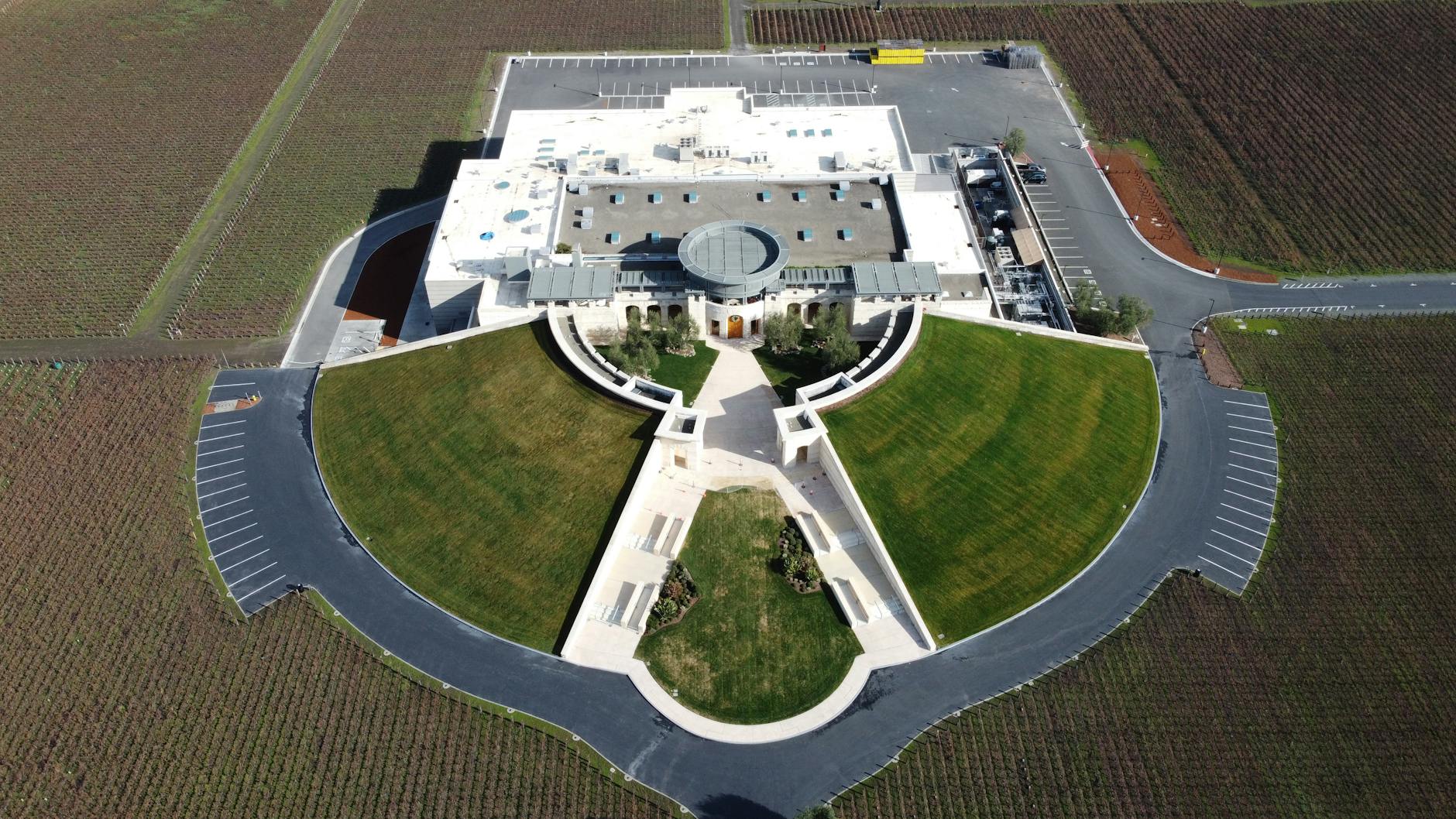
Santa Barbara County Wine Preserve changes in 2025
The Santa Barbara County Wine Preserve goes live on April 1, 2025. The assessment is set at 1 percent on eligible DTC sales. Remittance is quarterly, with the first payment due in July 2025 for April through June activity. Keep your POS flag ready and label a clean line item so reconciliation stays painless.
Key points at a glance:
- Start date: April 1, 2025
- Rate: 1 percent
- First filing window: April to June 2025
- First payment due: July 2025
Other regions exploring or renewing in 2025 to 2026
Several regions are in exploration or renewal cycles across mid-2025 into 2026. Sonoma is among the counties discussing options and timing. You will see listening sessions, draft scopes, and updates to management plans as boards gather input. Some districts are aligning terms to match tourism calendars and campaign seasons before final votes.
What this means for planning:
- Expect stakeholder outreach through late 2025.
- Anticipate draft plans to circulate before year-end.
- Renewals slated into 2026 will publish terms and timelines well before ballots.
Rates vary by ordinance and public documentation. If a rate is not confirmed in official materials, do not pencil it into your forecast.
Trends on rates and winery feedback
Most districts in California hover in a steady band. The common pattern is 1 to 2 percent on eligible direct-to-consumer sales. That range keeps reporting simple and ties closely to the data you already track for sales tax.
Three trends stand out:
- Stable rates: 1 to 2 percent remains the norm in active districts.
- Steady renewals: Districts with strong marketing returns see smooth renewals and few protests.
- Feedback-driven tweaks: Boards adjust scopes, goals, and spend mix based on winery input. Common shifts include more midweek demand programs, shoulder-season events, better attribution on digital ads, and clearer reporting on KPIs.
Practical takeaways:
- Budget inside the 1 to 2 percent range unless your ordinance says otherwise.
- Ask for quarterly performance snapshots, not just end-of-year wrap-ups.
- If a campaign does not lift tastings or club joins, request a pivot in targeting or timing next quarter.
Your action plan, pros and cons, and quick FAQs
You already get the why. Now let’s make the how easy. Use this section to close your books on time, keep the board happy, and make the assessment actually work for your bottom line. Short steps, clear roles, fewer surprises.
Fast compliance checklist for tasting rooms and clubs
These steps keep your filings tight and your paperwork audit-ready. Knock them out once, then breeze through each quarter.
- Confirm if you are in the district
Example that saves time: label a line item in your POS called “District Marketing Assessment,” apply it to eligible sales only, and export that total each quarter.
Benefits for small and large wineries
Pooled marketing turns individual budgets into a louder, smarter megaphone. Small brands gain reach they could not buy alone. Larger brands lift the whole region, which supports tasting traffic, club acquisition, and shoulder-season bookings.
- Small wineries
A quick snapshot of trade-offs keeps planning honest.
| Pros | Cons or Trade-offs |
| Shared media buys with real reach | Fee on eligible DTC margins |
| Consistent year-round campaigns | Requires clean reporting every quarter |
| Credible PR and travel trade access | Governance takes meeting time |
| Regional site and booking referrals | Programs may not match every brand’s style |
Curious about debates on benefits and design? This overview on how WIDs affect local wineries lays out both sides in plain terms.
Common concerns and where to share feedback
Questions pop up around fees, governance, and program focus. Good news, districts usually have clear channels for input, and budget season is your best moment to steer spend.
- Fee burden
How to plug in:
- Attend meetings
Looking for context on common roadblocks and formation headaches? This piece on the challenges of establishing a Wine Improvement District hits process friction points you can avoid later.
Short FAQs, refunds, exemptions, and dissolving a district
Quick answers for busy people. Always confirm with your district ordinance, since local rules control the fine print.
- Can we show the fee on customer receipts?
Conclusion
Winery district assessments are shared, rule-based funding that spotlight a region and drive visitors. Each winery contributes a small, fair-share fee tied to real DTC sales, then the district turns that pool into targeted marketing that moves tastings, clubs, and bookings. The math is simple, the steps are manageable, and the benefits land where the dollars come from.
Here is your next move: pull last quarter’s California DTC report, confirm eligible categories, and note your total at 1 or 2 percent. Add calendar reminders for the next remittance. Then, show up at the next district meeting with one clear request that boosts weekday traffic or club growth. Small actions stack quickly when everyone rows the same direction.
Keep the big picture in view. These programs protect momentum, smooth seasons, and keep your region top of mind with travelers and media. When the plan is clear and reports are tidy, audits are easy and marketing hits harder.
Thanks for reading. Let us keep wine simple, stylish, and worth exploring, one bottle, one story, and one conversation at a time.